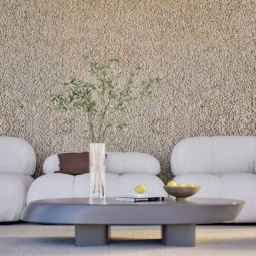


Technical Specifications of the Micro
Decorative coating microcement is based on micronized cement, various polymers, water-based resins, additives and mineral pigments, which is applied manually using a trowel, trowel, thorn, sponge and other specialized tools. Microcement is an ideal choice for beautifying interior and exterior surfaces and a great option for those looking to create a different and special look. In addition, microcement is of interest to building builders due to its lightness and non-imposition of dead load on the structure. Also, the uniform and seamless surface of this cover makes it very easy to maintain, clean and repair. Due to manual execution, the texture and design of each project is unique and the final result of no two surfaces will be the same. In addition, due to the waterproofness of microcement and its strong adhesion to all types of substrates such as tile, cement, brick, plaster, metal, plastic, wood, glass, etc., it is possible to apply the coating on any surface and space of the floor and wall. There is a roof to all interior and exterior spaces. Also, due to the application of microcement coating with a final thickness of 3 mm, it is possible to use microcement to create a decorative and beautiful coating with acceptable time and reasonable cost in any type of reconstruction and renovation.
What is a microstructure dough?
Dough microcement, which is also known as concrete design, is used to create a variety of coatings on all types of surfaces. This cover can create a variety of textures that are compatible with every taste and style. Various chemicals are used to make microcement paste, the main components of which are organic and inorganic substances.
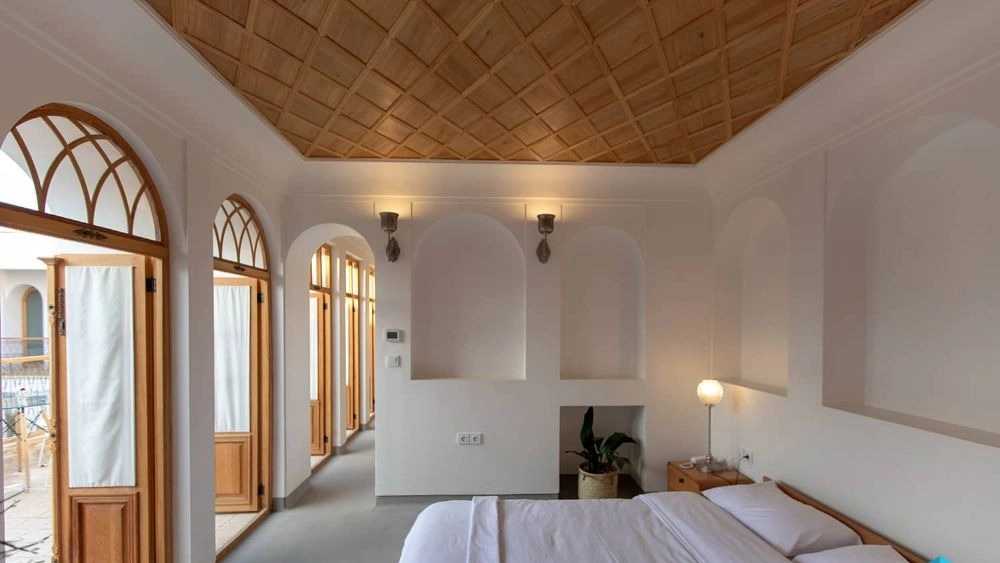
What are the applications of microscope?

Microscience in decoration
Seamless elegance: Microcement seamless coating eliminates the need for grout lines or seams and creates a sense of continuity and spaciousness in interior spaces. This quality is especially attractive in minimalist and contemporary design styles.
Texture and depth: Microcement can be manipulated to achieve a variety of textures, including smooth, brushed, interrupted or mottled surfaces. These textures add depth and personality to the surfaces and help to beautify the overall atmosphere of the room.
Color customization: Microcement is available in a wide range of colors and different pigments can be added to create custom colors. This flexibility allows designers to match or contrast microcement surfaces with other interior elements such as furniture and decor.
Design Compatible: Microcement's versatility means it can be incorporated into a variety of design styles, from industrial and rustic to sleek and contemporary. Whether you want to have a modern urban space or a warm and intimate space, microcement can be designed according to the desired appearance.
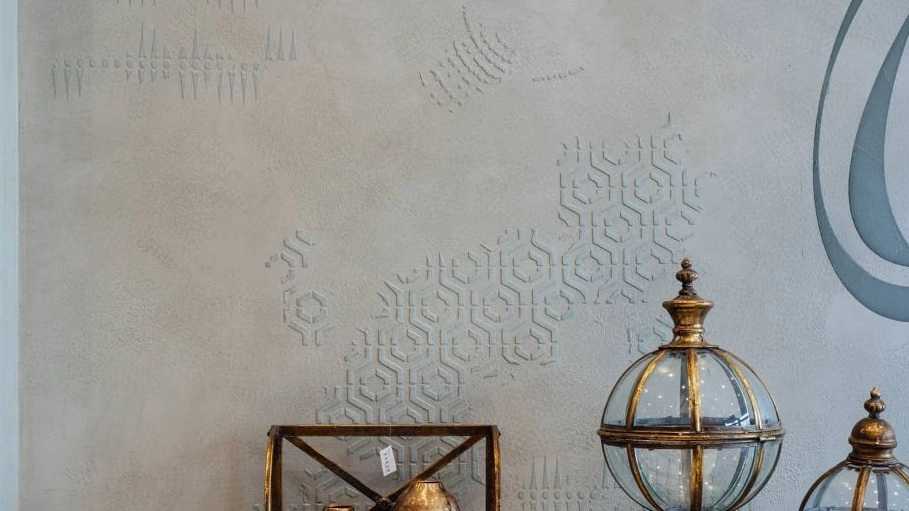
Implementation of the microscope
Executing microcement is a skillful process that requires precision and attention to detail. This involves several key steps, all of which are necessary to ensure a successful and lasting outcome: Surface Preparation: Proper surface preparation is essential for the successful application of microcement. The substrate must be clean, stable and free of dust, grease and dirt. Any coating or imperfections must be removed to create a smooth and even base. Priming: Before applying microcement, a suitable primer is applied to the prepared surface. The primer increases the adhesion between the substrate and the microcement and makes us worry about a safe connection. Application of microcement: Microcement paste is mixed with water to form a workable consistency. Then this paste is applied in thin layers using a trowel or spatula. Each layer must be completely dry before applying the next layer. The number of layers depends on the desired thickness and the recommendations of the microcement manufacturer. Sanding: After the microcement dries, it is sanded to obtain a smooth and uniform surface. Sanding also helps remove any imperfections or irregularities in the surface. Sealing: Primer or coating is used to protect microcement and increase its durability. Several layers may be required to achieve the desired level of protection and gloss. The choice of primer can also affect the final appearance, as some primers provide a matte finish, while others give the surface a glossy finish. Maintenance: Proper maintenance is very important to maintain the appearance and performance of microcement surfaces. This includes regular cleaning, avoiding the use of harsh chemicals, and resealing when needed.
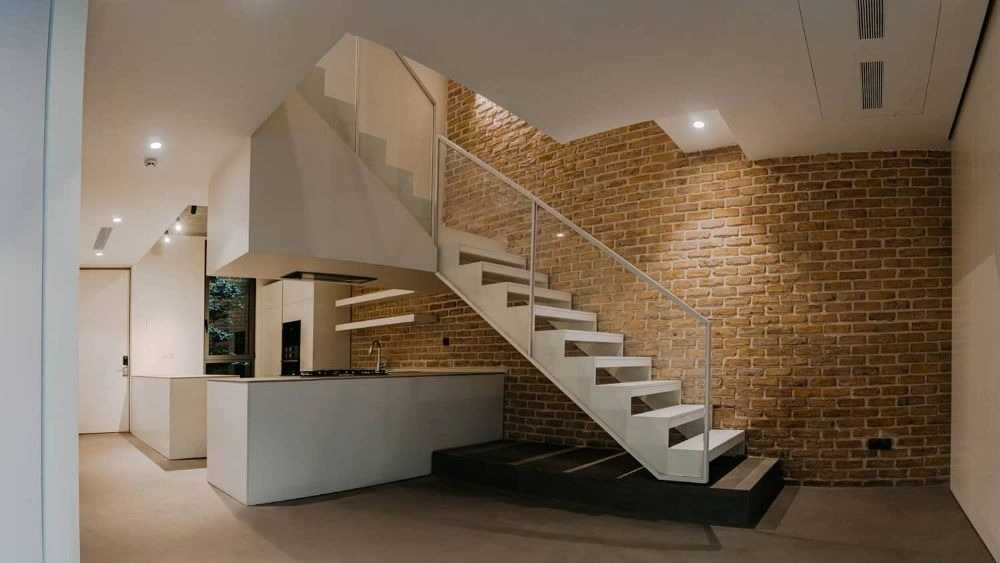
Micrusment payments
Microcement coatings play an important role in determining the visual and tactile quality of the final surface. Choosing the right finish can greatly affect the overall aesthetic of a space. Here are some common payments in microcement:
Smooth finish: A polished and smooth surface is characteristic of the versatility of microcement. This finish is sleek and modern, creating a clean and pleasant look and is often used in contemporary design styles where simplicity and minimalism are key.
Textured finish: Microcement can be manipulated to achieve different textures, giving surfaces depth and character. Textured finishes can include brushed, dashed, or mottled designs that provide a tactile and attractive element to the design.
Rustic Finish: For those looking for a more natural, earthy look, microcement can replicate the look of natural stone. Rustic finishes can create a warm and welcoming atmosphere and are suitable for residential and commercial spaces.
. Industrial finish: Aesthetics has become popular in industrial environments in recent years. Microcement can be used to create an industrial coating with a concrete look. This payment gives an urban and modern quality to the interior.
The colors and tissues of the microscopic
Microcement's wide range of colors and textures allows for high customization, making it a versatile choice for interior and exterior design. Here's a closer look at the microcement color and texture options:
Color customization: Microcement is available in a wide variety of colors, including neutrals such as gray, beige, white, as well as vibrant colors such as blue, red, and green. In addition to the available colors, other pigments can be added to the microcement mix to create custom shades and hues. This flexibility enables designers to match or contrast microcement surfaces with other elements in the space, such as furniture and decor.
Texture Versatility: The texture of microcement can be customized to achieve a wide variety of designs. Designers can specify the desired texture, whether it's a smooth, polished texture for a sleek, modern look, or a textured, rustic look for a cozy setting. The ability to adapt the texture to the customer's desire makes microcement suitable for a wide range of design styles.
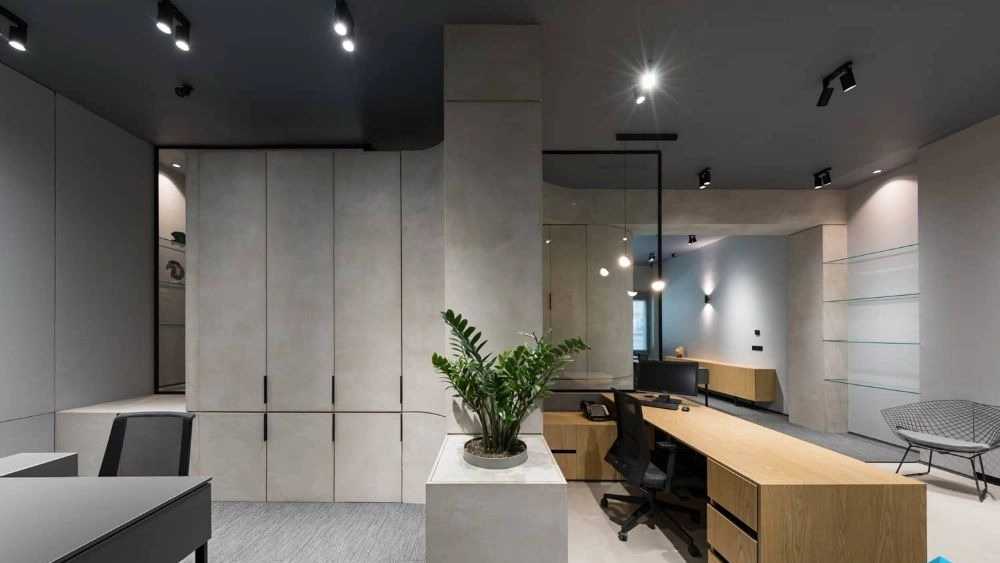
Combinations: Many design projects involve combinations of colors and textures to create visually interesting and harmonious spaces. For example, a neutral colored microcement floor with a textured finish can be paired with warm colored microcement walls with a smooth finish to create contrast and focal points in a room. You can see the variety and extent of these colors in the turquoise color table.
The maintenance and cleaning of the microscopic
Methods of maintenance and cleaning of microcement are necessary to ensure the longevity and beauty of microcement surfaces. Here are some detailed instructions for maintaining and cleaning microcement: Regular cleaning: Microcement surfaces should be cleaned regularly to prevent the accumulation of dust, dirt and debris. Use a soft broom, microfiber mop, or vacuum cleaner with a soft brush to remove the fine particles. This prevents wear from dust and preserves the appearance of the surface. Mild cleaning solutions: For general cleaning, use a mild detergent mixed with water. Avoid using abrasive or acidic cleaners, as they can damage the microcement coating. A soft cloth can be used to gently apply the cleaning solution. Quick Wipe: Wipe up liquids and spills quickly to prevent stains. Microcement is resistant to moisture, but prolonged exposure to liquids can lead to discoloration or damage to the primer. Protective mats and furniture pads: Place mats or furniture pads under furniture or heavy objects to avoid direct contact with the microcement surface. This precaution helps prevent scratches and dents. Resealing: Microcement surfaces may need to be resealed every few years, depending on wear and manufacturer recommendations. The primer creates a protective layer that increases the durability and resistance of the material against stains and moisture. Avoid harsh chemicals: When cleaning microcement surfaces, harsh chemicals such as bleach, ammonia, and strong acids should be avoided. These materials can damage the finish and compromise the integrity of the primer. Use of mild cleaning tools: Use soft and non-abrasive cleaning tools such as microfiber cloths or sponges to avoid scratching the surface.