
Patina in interior design
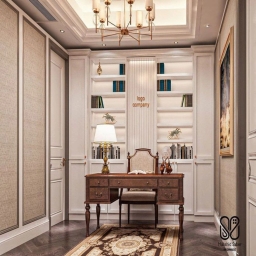
Patinating the walls of the house is one of the most popular patinas in the world and is of particular importance in interior decoration. The art of wall patina and building patina techniques is very extensive. With this art, you can turn a simple and soulless wall into a beautiful and eye-catching wall.
Compared to plain colors that are used to paint surfaces, patina is more popular. Because it makes life more beautiful and pleasant.
People who do not like the simple colors of the building and are not interested in installing different types of wallpaper can use patina to turn their interior decoration into a warm and classic space.
Patina characteristics
Patina is a suitable alternative to paint in interior decoration and its beauty is much more eye-catching compared to the painting of the building. But due to its high price compared to paint, it is mainly used to decorate a part of the wall.
The patina is highly stable and remains intact until you want to change the color of the surfaces.
One of the characteristics of patina is that if the patina area is injured, it can be easily and quickly repaired and stained.
Patina can be applied on any surface, including metal surfaces, partitions, walls, ceilings, columns, etc.
Waves on the wall, cracks and unevenness on the surface can be covered with patina.
Compared to other surfaces painted with light colors, patina surfaces become dirty and dull later.
Different methods for patina
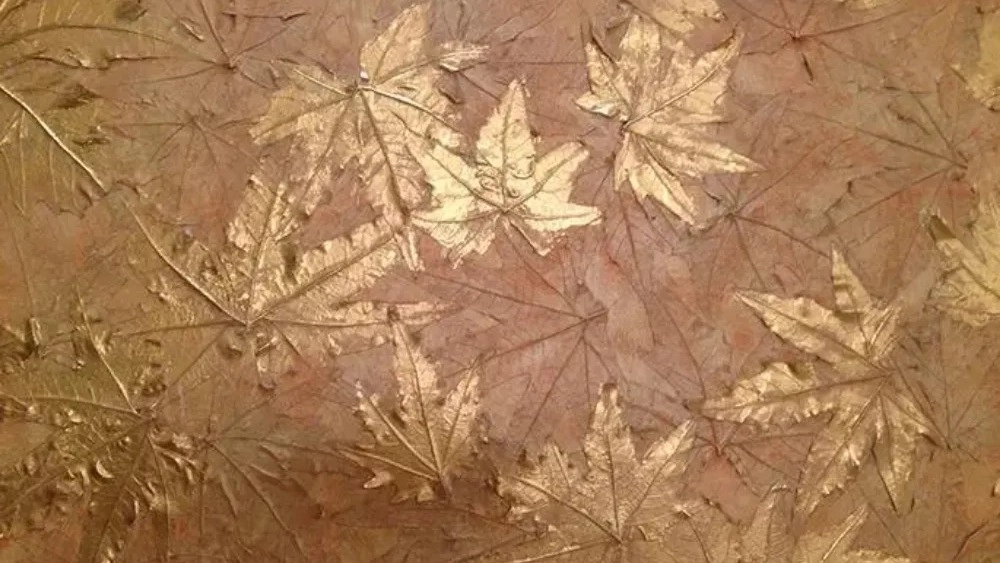
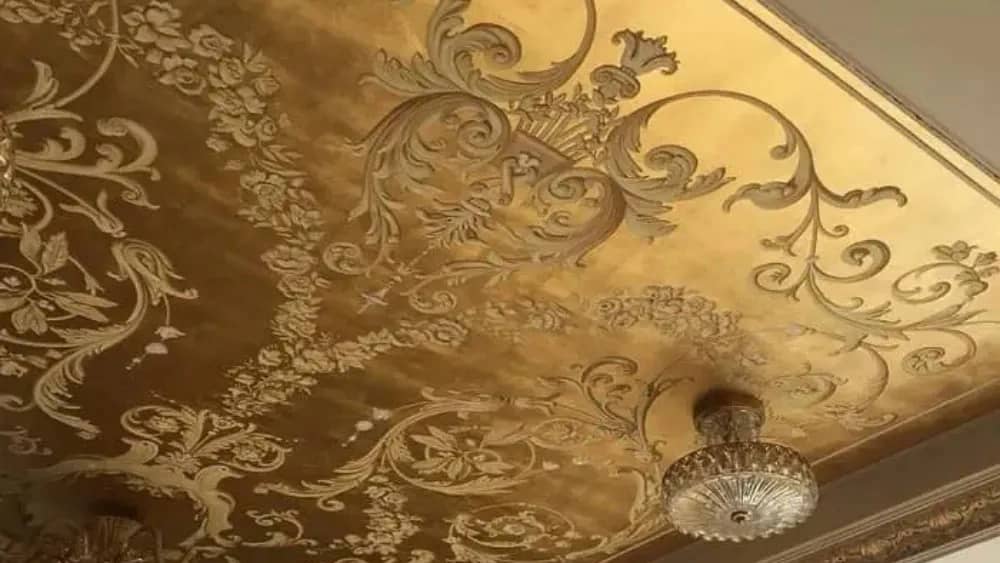
The art of patina is very diverse and wide and is used to decorate different surfaces. Patina work can be applied in all kinds of gilding patina, silver leaf, angel design, cloud and wind, embossed and non-embossed, textured and non-textured, ceiling and wall plating, wood design, aged work, etc.
Microscopic patina
Microcement is a type of patina work with cement, which is applied on all types of plaster, stone, ceramic, cement, etc. surfaces. From this patina in places exposed to water such as; Toilets and bathrooms are used. Of course, due to its high resistance and high adhesion, it can also be used on stairs and floors in commercial centers.
Oily patina
This patina is done with oily materials and it has good washing ability. Oily patina can be applied in the following three types:
Glossy: specific to work on wood
Semi-gloss: All surfaces
Semi-opaque: all surfaces
Sponge
This method is one of the easiest methods that everyone can do. To do that, the surface must be painted first. Then he created a design with a clean sponge dipped in paint with stroke mode.
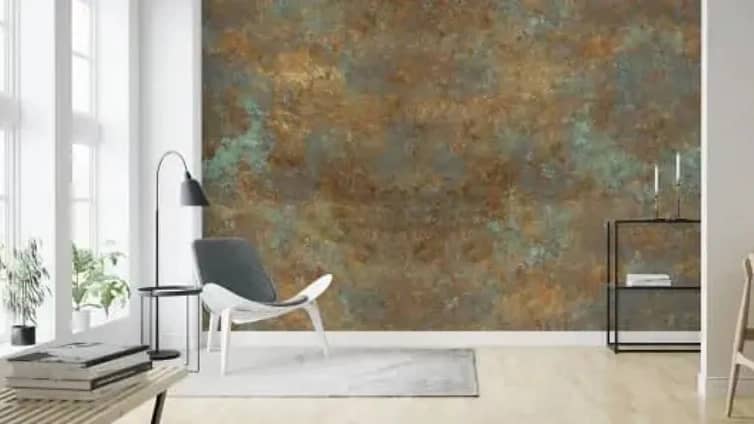
Patina with ornamental sheet
In this method, after cleaning the surface and covering it with acrylic paint, the decorative sheet glue is diluted with water and applied to the surface with a brush or sponge.
The surface coated with gold foil adhesive should be kept away from contamination. Then they put an ornamental sheet on the glue and massage the sheets with the help of a cloth so that no extra sheet is left.
Fabric
This method requires more time to implement than the method of using a sponge. In this method, after preparing and painting the bottom surface, using several pieces of cloth dipped in color, the design is created as an impact on the surface.
Color
In the paint removal method, after the desired surface is ready, apply the diluted paint on the ceiling or wall with the help of a brush. But before the paint dries, the excess paint must be removed by crumpling it with a cloth. By doing this, the appearance of the surface becomes wrinkled.
Patina
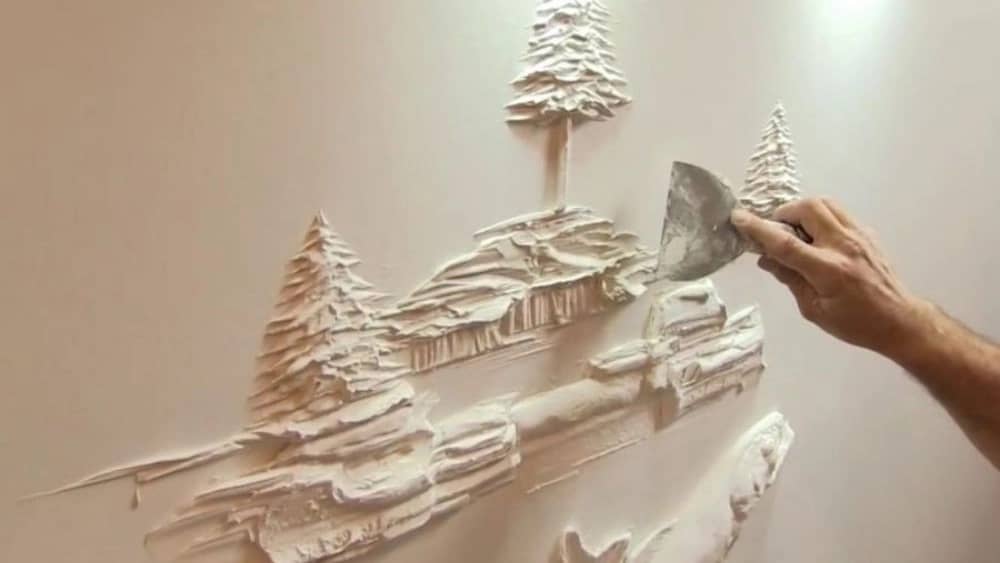
The dough required for the patina is a texture dough that has high flexibility. Patina should be done by an artist familiar with this work, because only this person can create beautiful and creative designs and shapes on surfaces using paste.
Texture paste dries slower than other pastes used in construction, so the artist can spend more time working on designs and patterns.
Pitcher
The type of putty that is used for this purpose is oily and the resin in it has increased the quality of this product.
Oil-based putty has a lower cost than other putty, but don't forget that in order to use it, the surface must be completely prepared and pitted. Also, before plastering, the desired area must be cleaned of dirt and dust.