

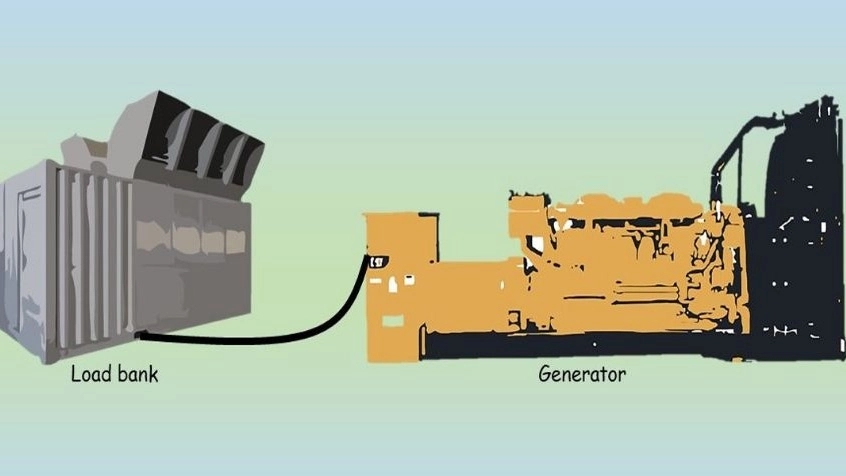
What is a Bank or Bank Load?
Load bank is an electrical device that is used to create an artificial load in an electrical system. This device can control current, voltage, power and other electrical parameters in a system. Load banks have various applications in industries.
The load bank is used to test all types of diesel generators and gas generators to check its efficiency and correct operation in terms of the health of the engine, generator, panel and sensors.
Types of Bank Load
Load banks can be divided into three categories based on the type of electric charge they create:
Resistive load bank: This type of load bank uses electrical resistances to create a load. Resistive load banks are the simplest and cheapest type of load bank.
Reactive Load Bank: This type of load bank uses capacitors and inductors to generate load. Reactive load banks can create load either inductively or capacitively.
Combined Load Bank: This type of load bank uses resistors, capacitors and inductors to create the load. Combined load banks can create resistive, inductive or capacitive loads.
Bank load applications
Load banks have different uses in different industries. Some of the applications of load bank are:
Performance testing of generators: load banks are used to test the performance of generators and ensure their correct operation.
Adjustment and calibration of equipment: Load banks are used for adjustment and calibration of electrical equipment such as transformers and inverters.
Electrical power measurement: Load banks are used to measure electrical power in electrical systems.
Simulating real loads: Load banks are used to simulate real loads in electrical systems.
Protection of electrical equipment: load banks are used to protect electrical equipment against overload.
The main components of the bank load
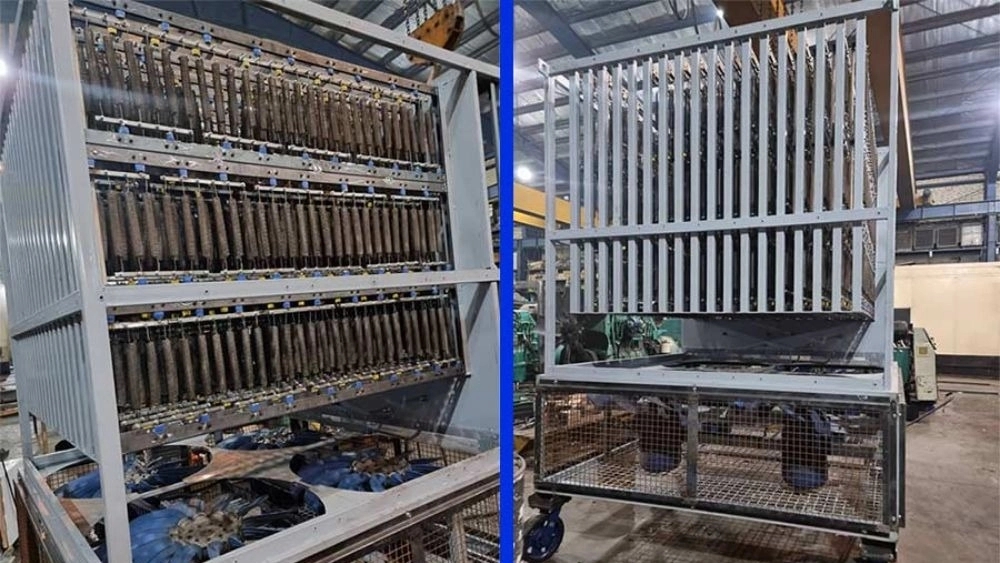
As we said at the beginning of the article, the load bank is used to test the generator device. Although the construction of the load bank does not appear to be very complicated. But any mistake in the calculation of material and quality, cable, element spring, power switch, cable show, shiring, thermal varnish, insulation and its internal parts can be very dangerous.
Load banks are composed of various components, which include:
Load elements: Load elements are the main part of the load bank that create the electric charge. Load elements can be resistors, capacitors, inductors, or a combination of these.
Cooling system: The cooling system is used to cool the elements of the load bank. The cooling system can use fans, radiators or water cooling systems.
Control system: The control system is used to control the current, voltage, power and other electrical parameters of the load bank. The control system can use PLC, computer or other control system.
Measurement system: The measurement system is used to measure the current, voltage, power and other electrical parameters of the load bank. The measurement system can use multimeter, voltmeter, ammeter and other measuring devices.
Bank selection and purchase guide
Load bank 2000 amperes designed and manufactured in Parsia Diesel (under construction)
Depending on the type of device, water cooling system (radiator) may also be used in some of them. And due to the high weight of the bank of loads, wheels are used for better and easier transfer.
To choose the right load bank, several factors should be considered, including:
Load bank capacity: The load bank capacity is the amount of current or power it can generate. The capacity of the load bank should be proportional to the needs of the electrical system.
Load Type: The load type is the type of electrical load that the load bank should generate. The type of load can be resistive, inductive or capacitive.
Environmental characteristics: Environmental characteristics are the environmental conditions such as temperature, humidity and dust in which the load bank will be placed.
Safety tips in the use of bank load
For safe use of the load bank, it is necessary to observe the following points:
Use personal protective equipment such as gloves, safety glasses and appropriate work clothes.
Keep a safe distance between you and the load bank.
Make sure that there is adequate ventilation in the place where the load bank is installed.
Maintenance and repair of bank load
To maintain and repair the load bank, the following points must be observed:
Clean the load bank regularly to prevent the accumulation of dust and other particles.
Check load bank connections regularly to avoid damage.
Calibrate the load bank regularly to ensure its accuracy.
Benefits of using bank loading
Using a load bank has several advantages, including:
Improving the performance of equipment: Load banks can help improve the performance of electrical equipment. For example, load banks can help improve the efficiency of generators and reduce their losses.
Reducing maintenance costs: Load banks can help reduce the maintenance costs of electrical equipment. For example, load banks can help identify and fix potential problems in electrical equipment.
Increasing work safety: Load banks can help increase work safety in industrial environments. For example, load banks can help protect electrical equipment from overload.
Examples of the use of bank loading in different industries
Load banks have different uses in different industries. Some examples of the use of load banks in different industries are:
Power Industry: Load banks are used to test the performance of generators, transformers and other electrical equipment in the power industry.
Oil and gas industry: load banks are used to test the performance of electrical equipment in the oil and gas industry.
Transportation industry: Load banks are used to test the performance of electrical equipment in the transportation industry.
Construction industry: load banks are used to test the performance of electrical equipment in the construction industry.