
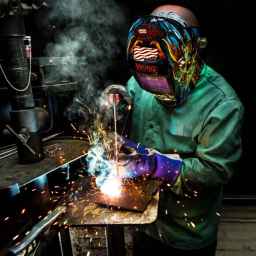

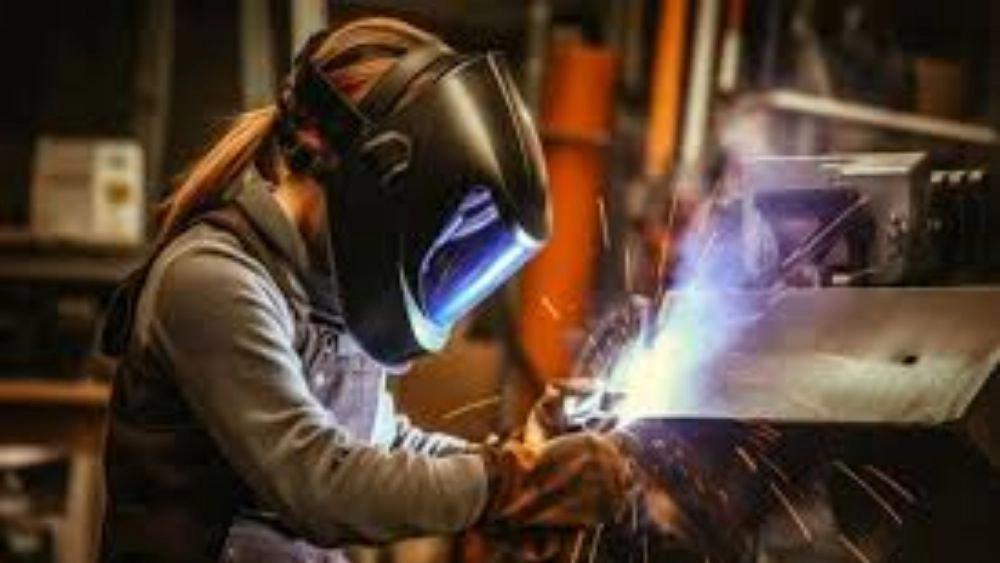
Welding includes the process of joining two materials together, such as steel, aluminum, brass, stainless steel, plastic or polymer. Different sources of energy such as gas flame, electric arc, laser, electron beam, friction force or ultrasound can be used for welding materials. There are various welding processes such as electric arc welding, gas welding and TIG welding, which we will discuss in this article.
Welding Methods: MiG welding (MIG)
MIG welding means metal inert gas welding. This method is also called GMAW or shielded gas arc welding. In this method, a welding electrode is used on a reel that is fed at a constant speed. The arc is created by an electric current between the base metal and the wire. This method is used for joining aluminum with other non-ferrous metals and also for joining alloys with metals.
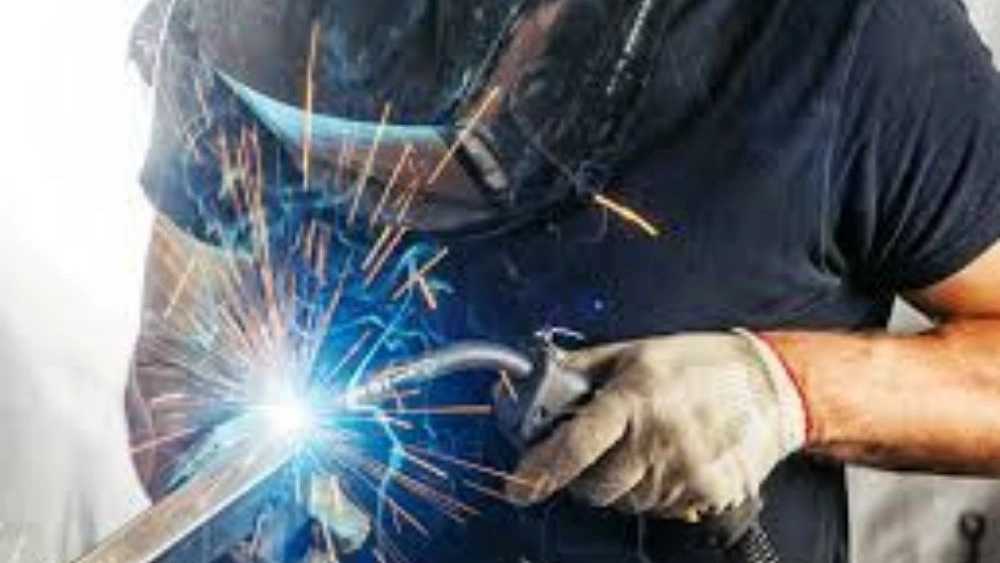
The characteristics of this method are:
Easiest method to learn
High welding speed
Good performance with thin and thick metals
Greater cleanliness and no ash
Welding Methods: Tig Welding (TIG)
TIG welding means tungsten inert gas welding. Reactive metals such as magnesium and aluminum can be joined by this process. Welding is done manually and oxidation is also inhibited. In this method, we need a non-consumable tungsten electrode and a filler material. Because an inert gas shield is used for protection, this type of welding is very clean. Thin metals can also be joined well with this type of welding. It is used for welding aluminum, magnesium alloys, steel, stainless steel, copper, brass and titanium.
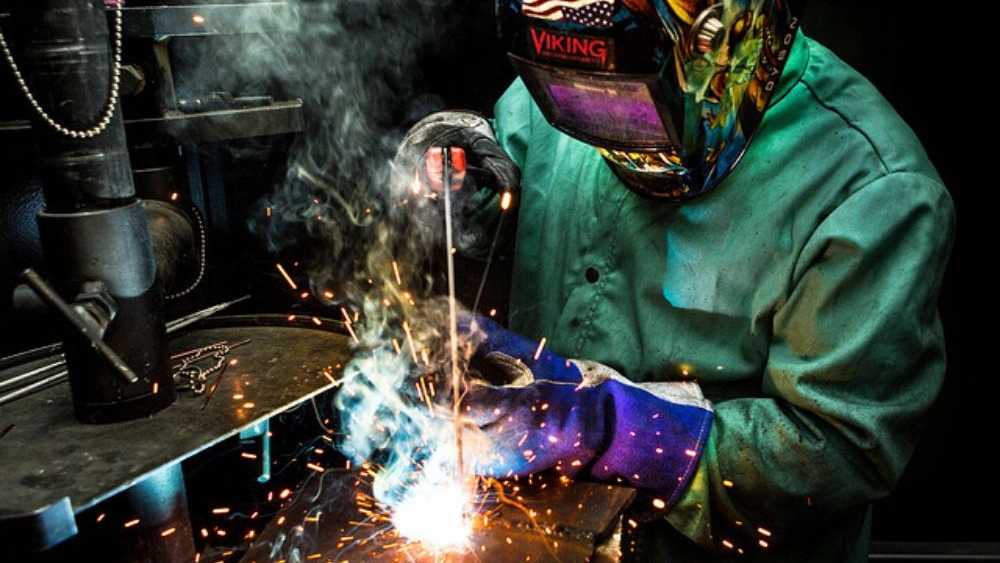
The characteristics of this method are:
Works well with thin sections of alloy steel, stainless steel and non-ferrous metals such as aluminum, magnesium and copper alloys
Precise and high quality welds
Weld beads with good appearance Good
The possibility of adjusting the input heat during welding by foot control