


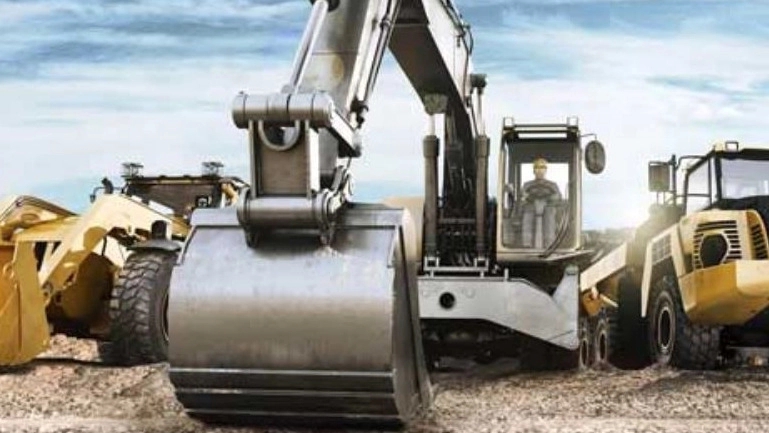
What is Industrial Machinery?
The set of moving, moving and fixed parts that are fed by all kinds of chemical, mechanical, electrical, nuclear, electromagnetic, etc. energy and together perform tasks in different production systems are called industrial machines. These industrial machines can complement or completely replace the physical power of humans and animals.
Systems with rotating parts such as shafts, pumps, motors, etc. need continuous and planned oil and grease work; with the progress of industrial machines and the passage of time, the number and role of humans in production systems also became less. And these machines do their job under human command.
Because the oils get dirty over time and lose their lubrication properties, and these equipments also need major repairs (overhaul) every year.
Manufacturers in the design and construction of industrial machines should consider the arrangements and access necessary for the monthly maintenance program of the device.
In different production systems, the same production system should be used for different and functional industrial machines.
General machines such as molding machines are used in single and customized production systems.
Robotic machines and industrial automation are used in mass production systems.
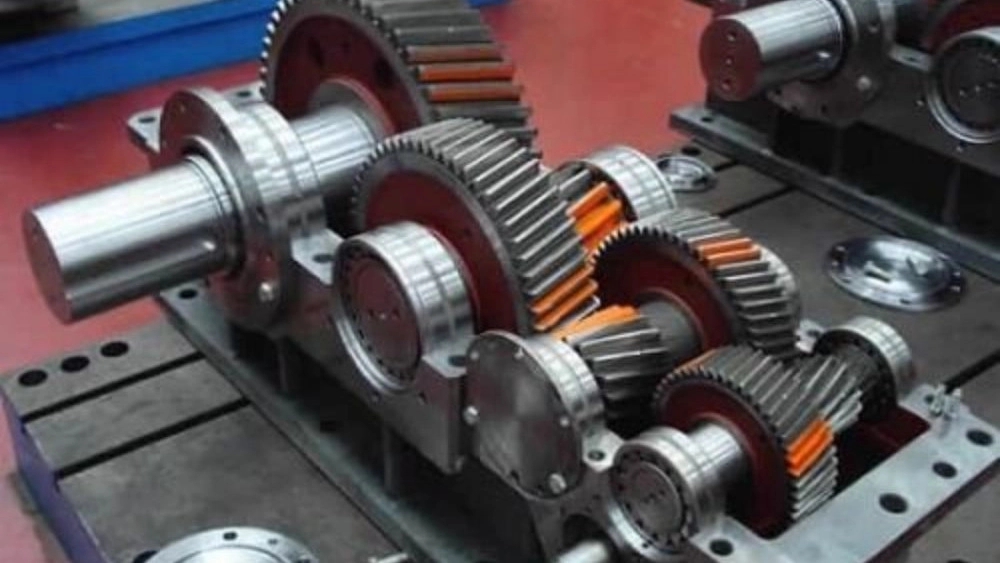
Divide the production line based on the layout of industrial machinery
Types of industrial machines can be divided based on two features of performance and group technology:
Functional layout: The layout of the production line is based on the type of machines; That is, in each unit of the production line, there is a special type of machinery such as milling and drilling machines.
Despite the advantages and variety of products, this arrangement has many side costs such as transportation costs. Arrangement of group technology: arrangement based on the type of product in group technology of machines such as the Tabriz machine factory. In this type of arrangement, we do not have a variety of products, but the costs of transportation and administrative bureaucracy are significantly reduced. Numerical control machines (CNC) and various fixtures are used in production systems.
Fixer application in all kinds of industrial machinery
Fixtures have different uses based on the needs of the production system. They say.
The main job of fixtures is to stabilize parts.
Fixed types
Assembly fixture: These fixtures help to assemble parts in the production line.
Machining fixture: These fixtures are used in production operations with They are involved in holding the parts for machining or finishing the surfaces.
Control fixtures: These fixtures accurately measure the parts of the mass production system.
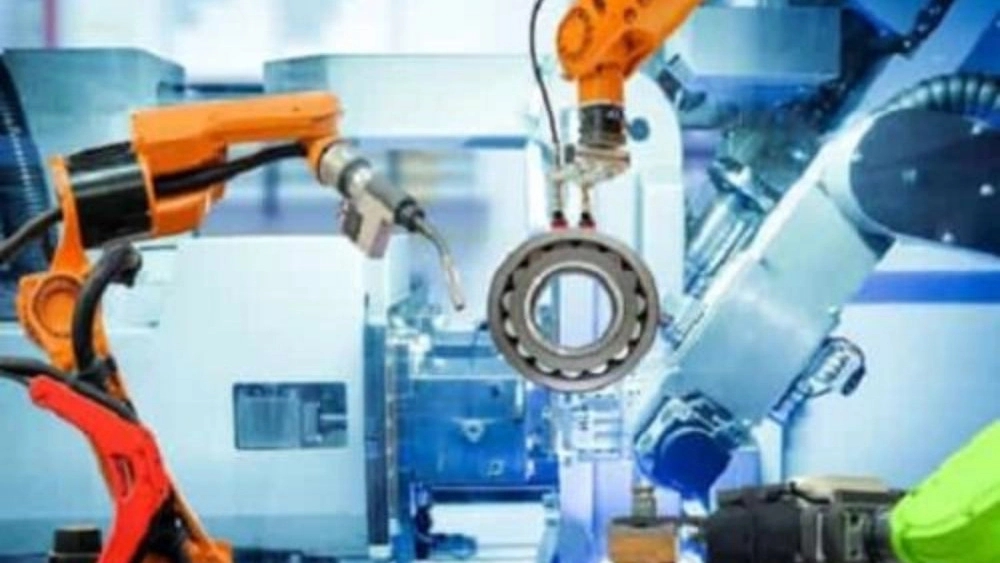
Turning with the help of industrial machinery
One of the types of industrial machines widely used in factories are turning systems. When it reaches our desired shape, we call it turning.
What is a lathe?
Small and large devices that can get us to the desired geometry by removing a part of the part or shaping it are called lathes, which
These machines can be fixed or mobile, horizontal or vertical. be vertical. Today, in addition to manual lathe machines, automatic machines (such as CNC machines) and semi-automatic lathes have also been expanded, which should be based on the needs and dimensions of the product and lathe workshop. He chose one of these three methods.
CNC lathe
One of the industrial machines that has various sizes and uses is the CNC lathe.
Today, the most widely used type of lathe that has significant accuracy, quality and speed is CNC (Computer) machines. Numerical Control).
In these types of lathes, the technician must first enter the designed model of the desired part into the device software;
then, based on the available dimensions and coordinates, the lathe program to give
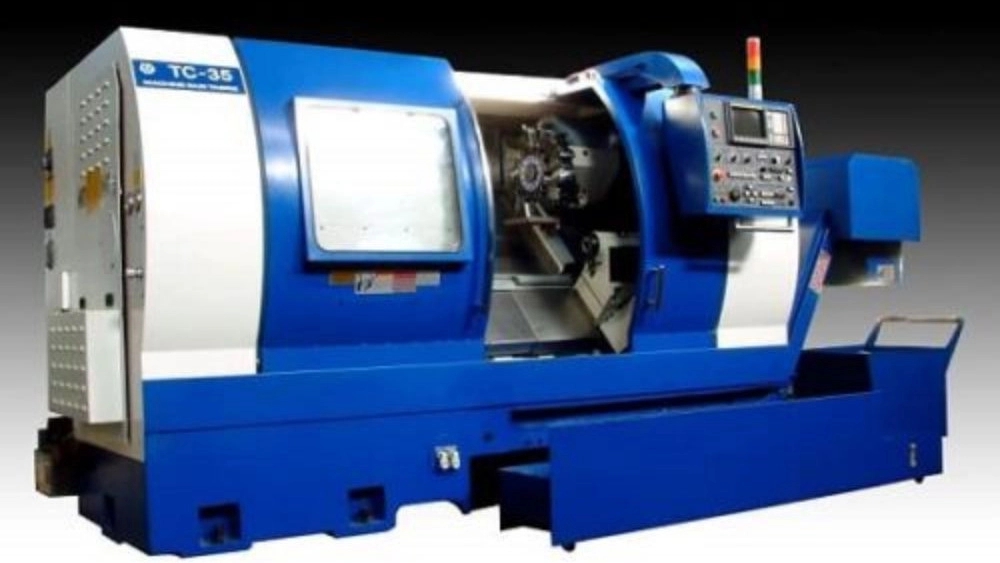
Another advantage of these devices is the existence of CNC lathes with more axes, such as 5 axes, which are intended for automotive, aerospace, and...
The main components of a lathe that exist in all types include:
table
body
motor
spindle
cutting tool or blade
jaw or the part receiver opening (three systems)