
Production of steel parts
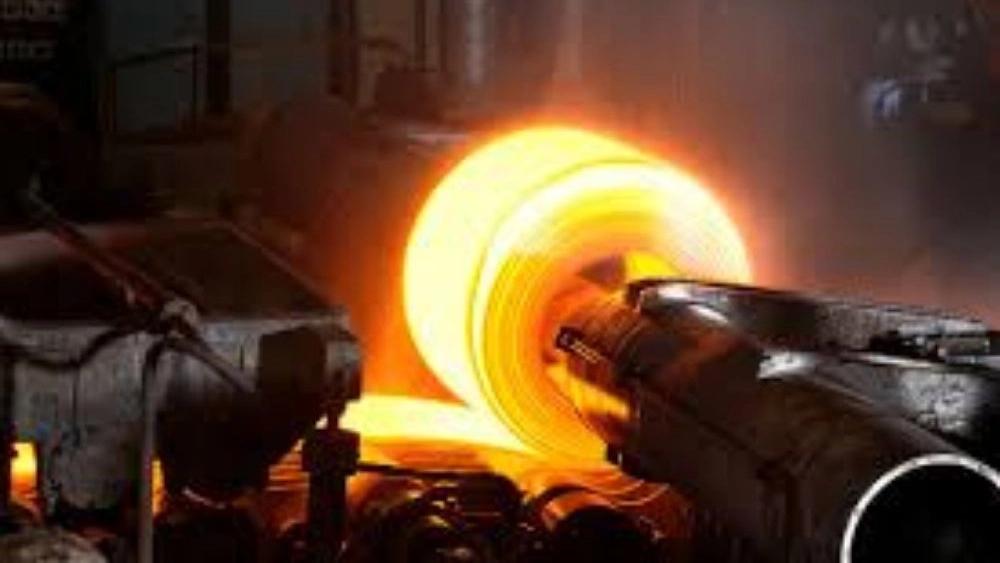
Manufacturing steel parts is a very important industry that is used in a variety of industries, including automotive, construction, electronics, etc. To produce steel parts, various processes such as turning, shaping, welding and coating are used.
Also, for the production of steel parts, high-quality steel raw materials are used, which are subjected to processes such as melting, casting, and thermal processes such as thermal focusing and controlled heating. These processes aim to improve mechanical properties, fatigue resistance, and corrosion resistance. Then, the finished steel parts are subjected to quality checks to ensure that they meet the standards and requirements of the customers.
How are steel parts produced by casting?
The casting process to produce steel parts is done as follows:
Template preparation: First, a template or template is prepared from the desired piece. This pattern can usually be made of wood, metal or other materials.
Preparation of materials: steel materials required for casting are prepared in a mold. These materials can be formed through melting or high pressure.
Pouring: molten steel materials are poured into the mold. This process can be done in a variety of ways, including gravity casting, pressure casting, or rapid casting (such as free-form casting).
Cooling and cooling: After pouring, the steel piece is cooled in the mold to quickly change from liquid to solid.
Removing the part: After cooling, the cast part is removed from the mold. This step may require other processes such as cleaning or final finishing.
Quality check: The final part is checked to ensure that its dimensions, surface, and mechanical properties are in accordance with the desired standards.
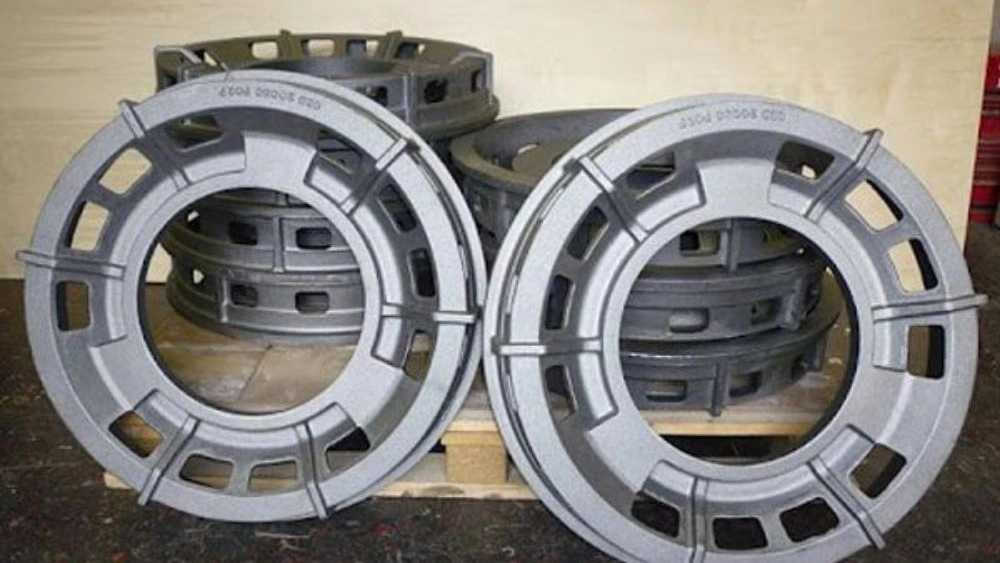
This steel casting process is used to produce various parts, including car parts, industrial tools, construction parts, etc.
What is the use of Gary Steel?
What are the main steps of casting?
The main steps of the casting method are:
Template preparation: First, a template or template is prepared from the desired piece, which includes the final shape and dimensions of the piece.
Preparation of materials: Materials used for casting, such as metals, alloys, and casting materials, are melted in a furnace or machine.
Casting: The molten material is poured into a mold or pattern. This process can be done in different ways including gravity casting, pressure casting, or casting in free molds.
Cooling and cooling: After pouring, the cast piece is cooled into the mold to become solid.
Ejecting the part: After cooling, the cast part is removed from the mold or pattern.
Post-casting processing: The final part may require additional processes such as cleaning, final finishing, or quality inspection.
Also note that these steps may vary depending on the type of material and the casting process.