
What is Gary Steel casting?
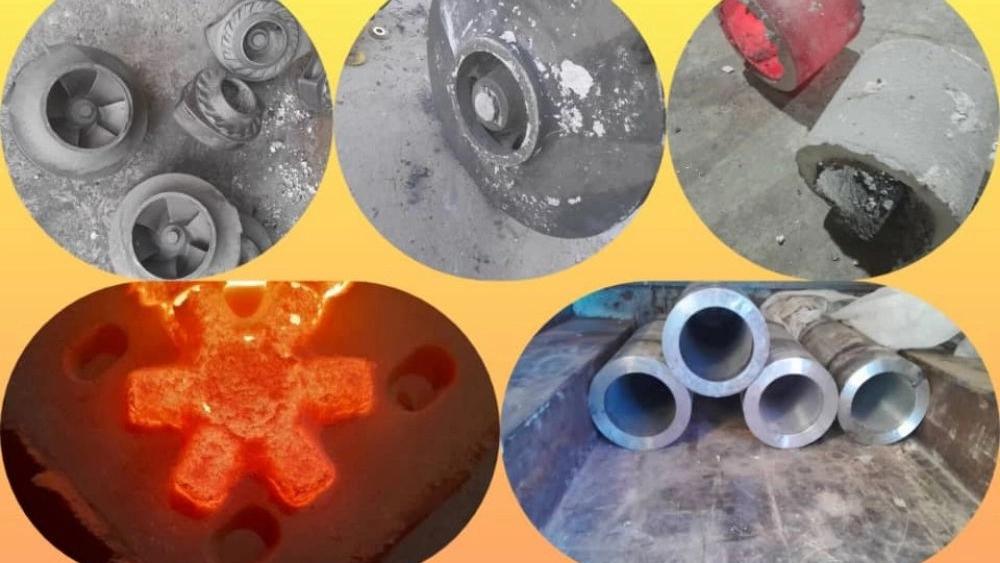
Steel casting is one of the processes that is very important in today's industries. This process helps engineers and designers to produce steel parts with different shapes and sizes with high precision. Steel has a very good resistance to heat. For this reason, steel casting parts can withstand high temperature conditions and work easily under heat and pressure. On the other hand, steel typically has a high resistance to corrosion, which makes the stainless steel casting process ideal for many industrial applications and corrosive or mixed environments. Using the casting process, it is possible to produce parts with precise details and fine geometrical compositions that are not easily accessible using other processes.
Stainless steel casting is the process of producing metal parts based on melting stainless steel metal and pouring it into special molds. This process is used to produce parts with different shapes and sizes, which require high precision and durability in the production method.
The advantages of the stainless steel casting method include high precision, the production of parts with a smooth surface and high quality, as well as the possibility of producing complex parts with precise details. This process is used to produce parts in various industries such as automotive, aerospace, marine and medical industries.
What is the use of Gary Steel?
Steel casting is used in many industries as a widely used and useful method to produce various parts and equipment. Some of the most important applications of steel castings include:
In the automotive industry, steel is one of the popular materials for the production of various car parts such as engines, brakes, suspension systems and interior parts.
Casting steel is used in the aerospace and defense industry to produce powerful and resistant parts of the aerospace and defense industries, such as engine parts, power plant systems, and turbines.
In the marine industry, parts that are used in wet and corrosive environments, such as parts under pressure in the shipbuilding industry, are produced using steel casting.
Steel casting is used in the production of petrochemical industry equipment to produce parts that are exposed to high pressure and temperature conditions, along with chemicals, such as valves, piping systems, and refinery equipment.
In the food industry, steel casting is used to produce equipment that is in contact with food, such as food processing devices and equipment, due to its resistance to corrosion and compatibility with food.
Stainless steel casting is very popular in the medical industry and the production of medical equipment and devices that require frequent disinfection and washing.
What are the best alloy for Gary Steel casting?
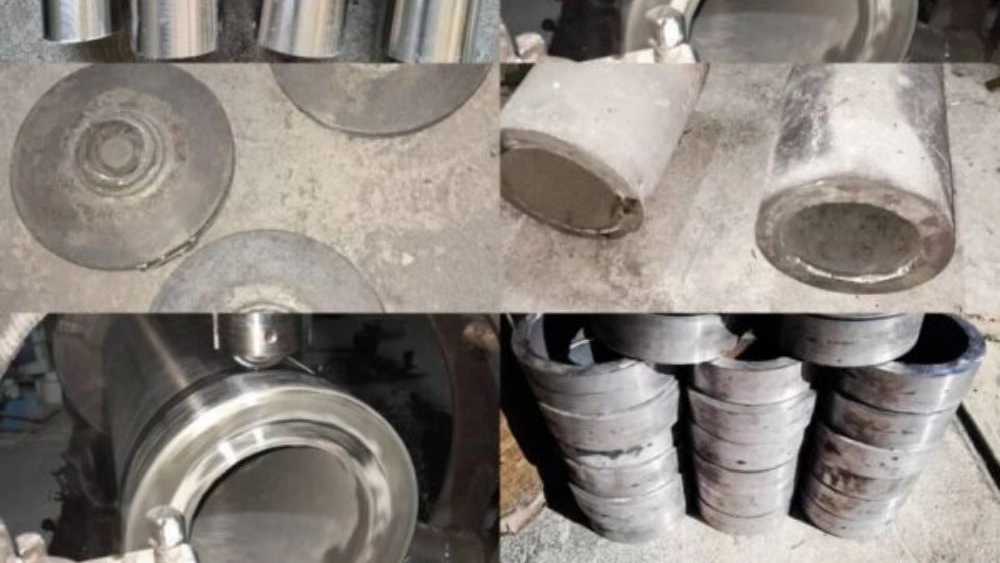
Stainless steel is a type of iron alloy that consists of a mixture of several elements. This alloy mainly includes iron, carbon, chromium, molybdenum, nickel, titanium, copper, nitrogen and phosphorus. Iron is the main element that exists as the main matrix in stainless steel.
Carbon is known as a common additive in stainless steel and can change its physical and mechanical properties. Chrome is also an additive that protects stainless steel from rust and corrosion and increases its resistance to corrosion. Molybdenum is another additive that can improve the mechanical and corrosion properties of stainless steel. On the other hand, nickel strengthens the mechanical properties of stainless steel and increases its resistance to corrosion.
Stainless Steel 304:
Stainless steel alloy 304 contains significant amounts of chromium (about 18%) and nickel (about 8%), making it suitable for many casting processes.
This alloy has good resistance to corrosion and oxidation. That is why the price of 304 steel sheet is higher than other steel grades.
Stainless Steel 316:
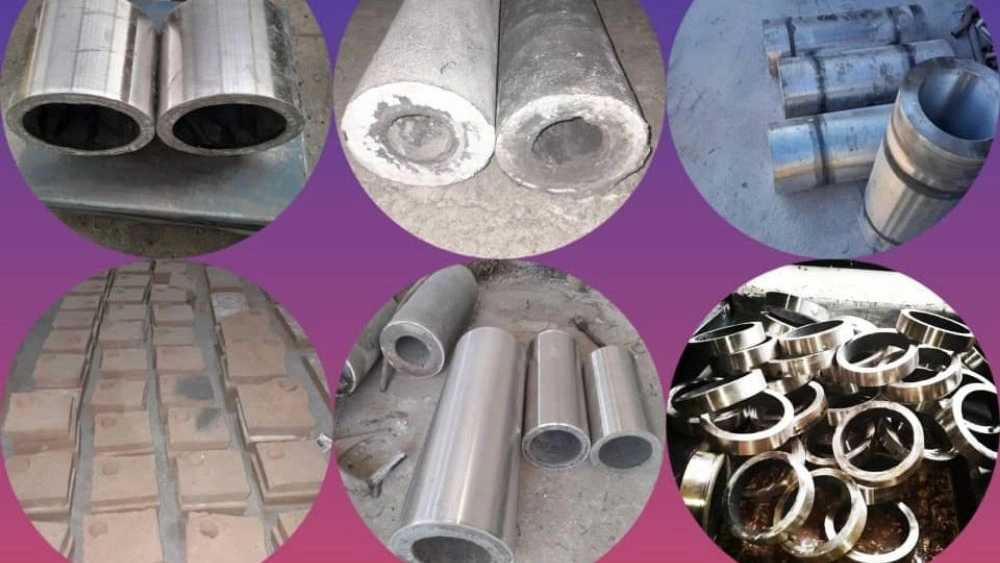
Alloy 316 has more amounts of chromium and nickel in its composition. (about 16-18% chromium and 10-14% nickel) and also contains some molybdenum (about 2-3%).
This alloy has a higher resistance to corrosion and the effects of sea scales and is therefore suitable for some special casting applications, such as operating in corrosive and saline environments. Therefore, there is a lot of demand and purchase of 316 steel sheet in the market.