
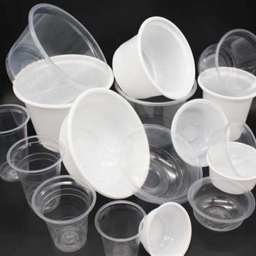

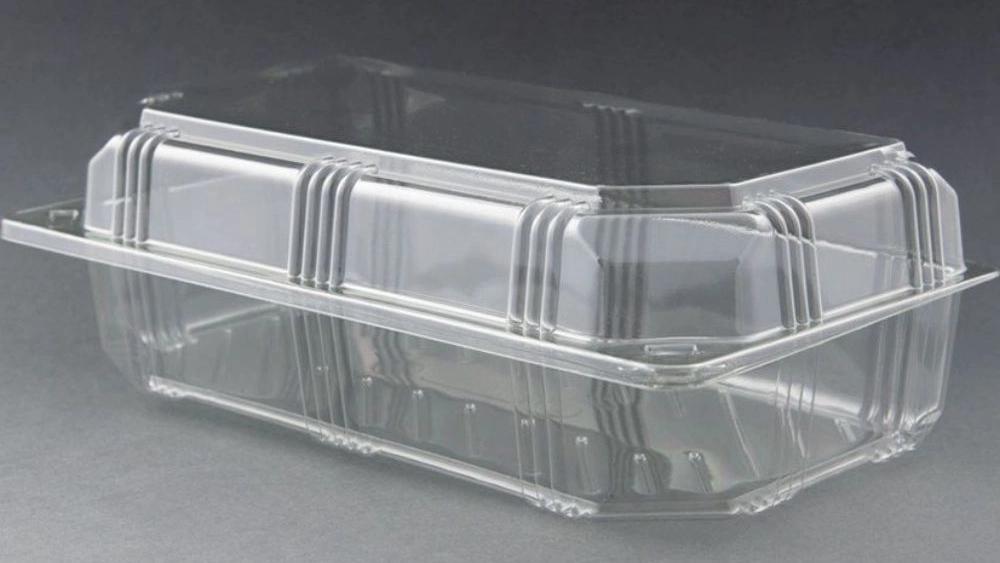
Disposable tableware can often be seen in restaurants, fast foods, and banquet halls. Of course, many people prefer to use these dishes instead of using porcelain or glass dishes, because the structure of these dishes is such that they neither need to be washed nor break. Disposable dishes in general include plates, cups, disposable packaging containers, etc., and the main reason for using them, especially eco-friendly dishes in catering centers and restaurants, is the possibility of their quick recycling and It is also their compostability.
As mentioned, in the production of disposable containers, in addition to plastic, materials such as paper, corn extract, bagasse, etc. are also used. The most natural disposable containers are those produced with sugarcane stalks or bagasse, which are quickly absorbed in nature and turn into plant nutrients. Due to the prevention of common diseases, these containers are the only useful containers in various food industries, and since they are resistant to acidic, fatty, hot, humid, etc., they prevent the molecules of the container from combining with the food inside the container.
History of disposable containers
What is the use of disposable containers?
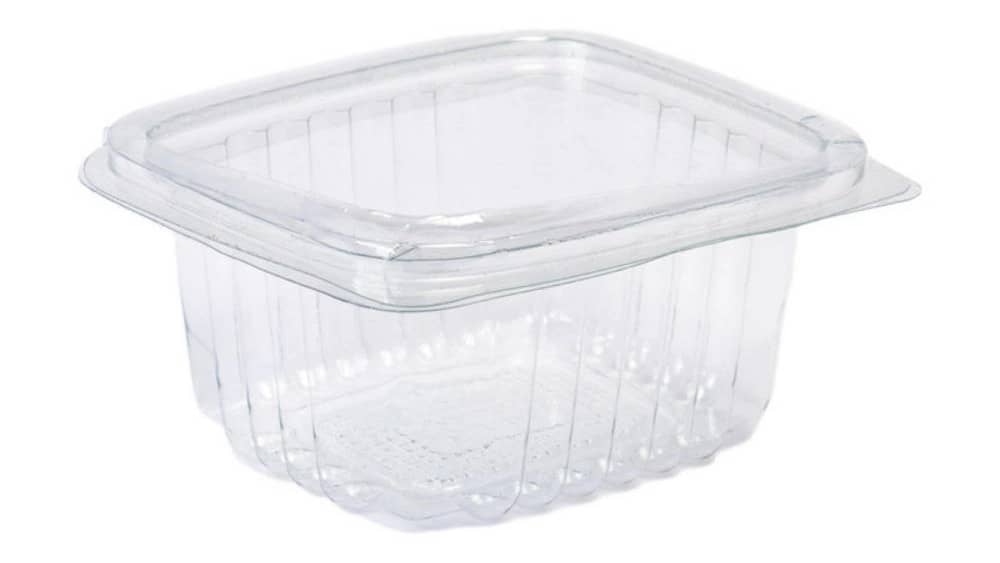
The main use of disposable dishes is related to serving food in parties, family and group celebrations, as well as occasions. The most important factor that makes disposable containers stand out from ordinary containers is the quality of their construction; For example, disposable vegetable containers are produced from bagasse pulp and are produced in different shapes and sizes depending on the type of mold.