
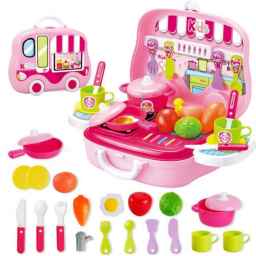

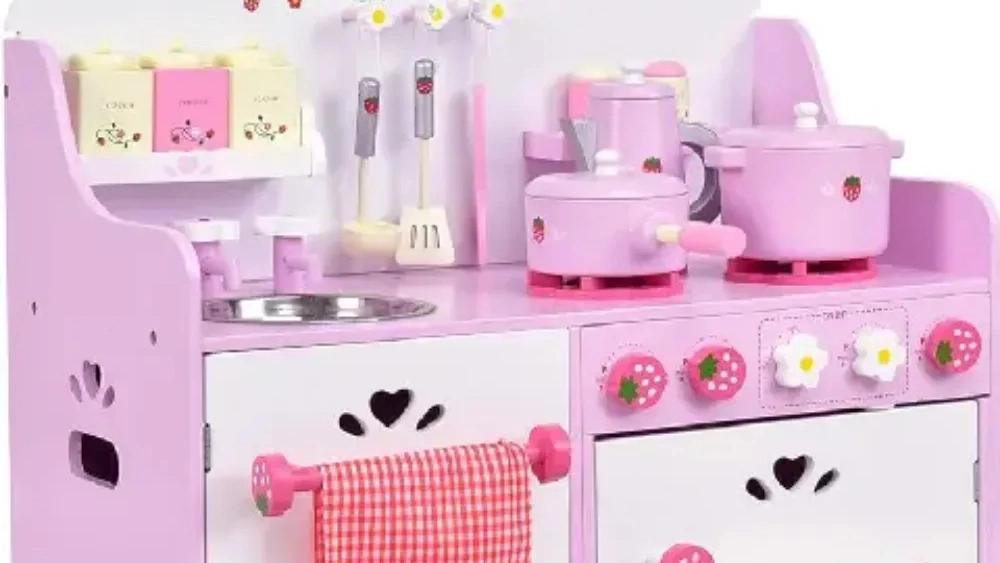
The benefits of playing kitchen for children
Children like to play different roles and different scenarios in imaginative play. Play kitchens are a special place for play demonstrations, because they give children the opportunity to imitate situations they are familiar with. It doesn't matter if they play the role of a chef, a waiter, an apartment, a kitchen or a parent at home. Playing a kitchen game allows children to imagine their new roles and create exciting scenarios.
Playing the role of a cook is not only a fun activity for children, but also a child's development. It helps! Young children learn through play and are always exploring and experimenting, so we've compiled a list to show you these benefits.
🔰 Creativity and imagination
Role-playing in the kitchen is an exciting and fun activity, which expands children's imagination and enriches their creativity. This gives children a chance to create their own imaginative recipes and explore different looking ingredients. They enjoy experimenting with various pretend utensils and props to create imaginative scenarios, or mimic the actions of adults they have seen.
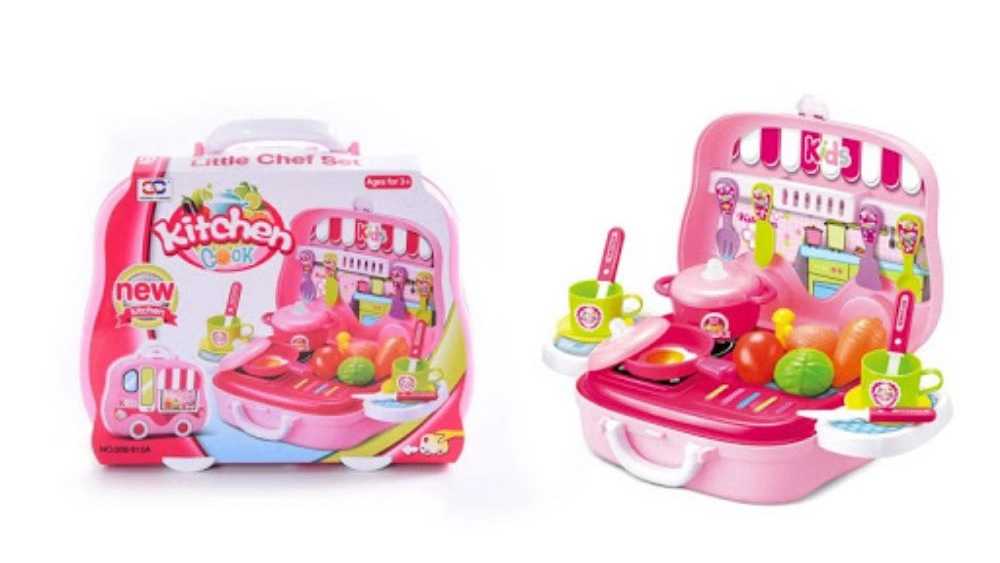
🔰 Language and communication
Role playing gives children an opportunity to express their creativity and participate in storytelling. Children play their roles explicitly, which enhances their language and communication development. Role-playing in the kitchen expands a child's vocabulary, as they begin to learn the names of new objects and foods, while using new verbs such as "cook" and "stir" and opposite words such as "hot". ” and “cold”.
🔰 Social skills and teamwork
Play kitchens encourage young children to play with other children, which strengthens their social connections. They continuously discuss what roles they will play, what they should cook and what they will do. These children work as a team and collaborate to get the job done faster – they are encouraged to share, take turns and listen to others' opinions and ideas about what to cook. /p>
🔰 Planning and organizing
Children usually enjoy organizing their kitchen, assigning different roles and organizing different types of food into sections. They observe that if the kitchen is organized as a place of play, the activity becomes more enjoyable. Children may store their ingredients in the cupboards and arrange the cutlery for their guests – all while planning what they want next and what to cook.
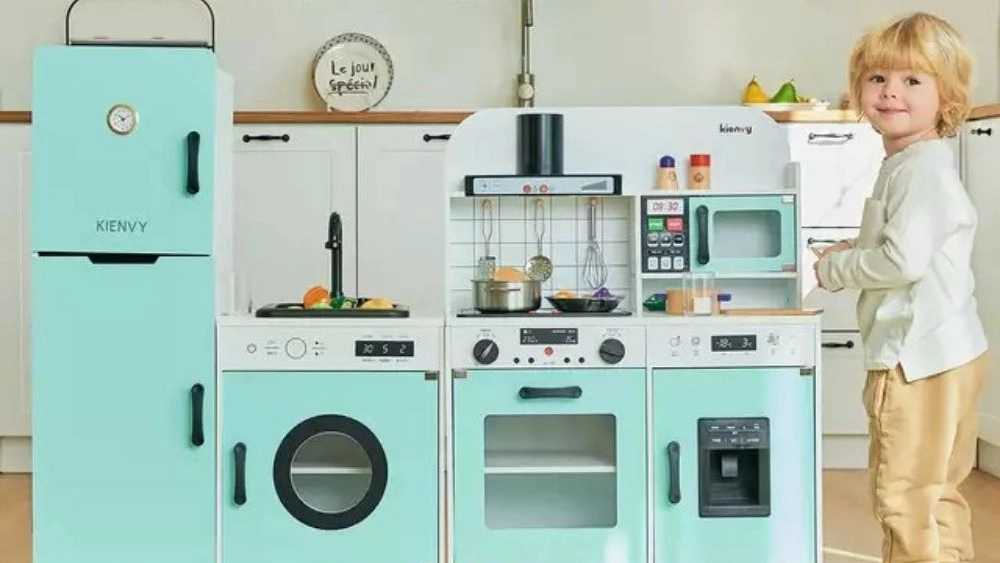
🔰 Life skills
When children participate in kitchen role play, they are familiar with real-life jobs and situations. It introduces children to the concepts of cooking and cleaning, which teaches them to understand the world and develop skills. Whether they pretend to set the table, wash the dishes or bake a cake, play the role of the kitchen, the desire to increase empathy with others, insight into what they want to cook in the kitchen or work as a chef.
🔰 Independence and confidence
By introducing children to their own play kitchen, it gives them a sense of independence, which increases their self-confidence. They are fully responsible for working in the kitchen and are responsible for keeping it clean, organizing things and taking care of various items in the kitchen. When children role-play real-life cooking and play top roles such as chefs, they begin to develop great leadership qualities.