

Types of geomembrane sheets at Pergas Company
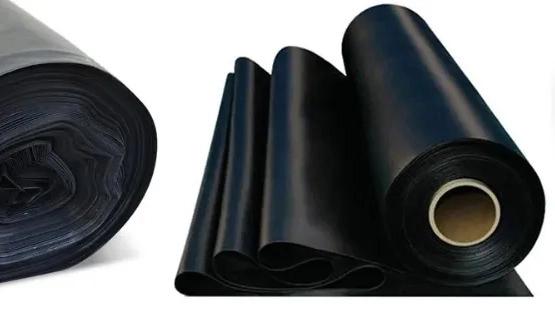
Geomembrane is an insulating and covering sheet that is used to waste fluids such as water; Today, geomembranes are considered one of the most widely used geosynthetic materials. Geomembranes are polyethylene sheets that are used in man-made projects and systems to control fluid penetration. From a structural point of view, it can be said that geomembrane sheets are composed of thin layers of polymer, which has caused them to be used in various fields such as construction projects, environmental projects, transportation, waste industry, and oil and gas.
Perhaps it can be said in general that geomembrane sheets are used in environments where the loss of liquids and gases must be prevented. For example, geomembrane sheets can be used in projects where the waste of clean water, hazardous materials, gas, sewage, etc. should be avoided. Most of the time, the waste of any of the mentioned items will bring a heavy cost to the projects, which is prevented from happening.
Types of geomembrane sheets
Geomembrane sheets are a type of geosynthetic products that have provided new solutions for waterproofing. These sheets are produced by melting and extruding synthetic polymers in the form of thin sheets with different widths and prevent the penetration of water and other liquids in many applications.
This product is made of various materials such as EPDM (Ethylene Propylene Diene Monomer). It is made of LLDPE (Linear Low-Density Polyethylene), HDPE (High-Density Polyethylene), PVC (Polyvinyl Chloride) and PP (Polypropylene). Each type of geomembrane material has specific characteristics that affect their installation method, lifespan, and performance. In general, the types of geomembrane sheets can be classified based on the production method, thickness, surface and chemical stability. Some common types of geomembrane sheets are:
PVC geomembranes
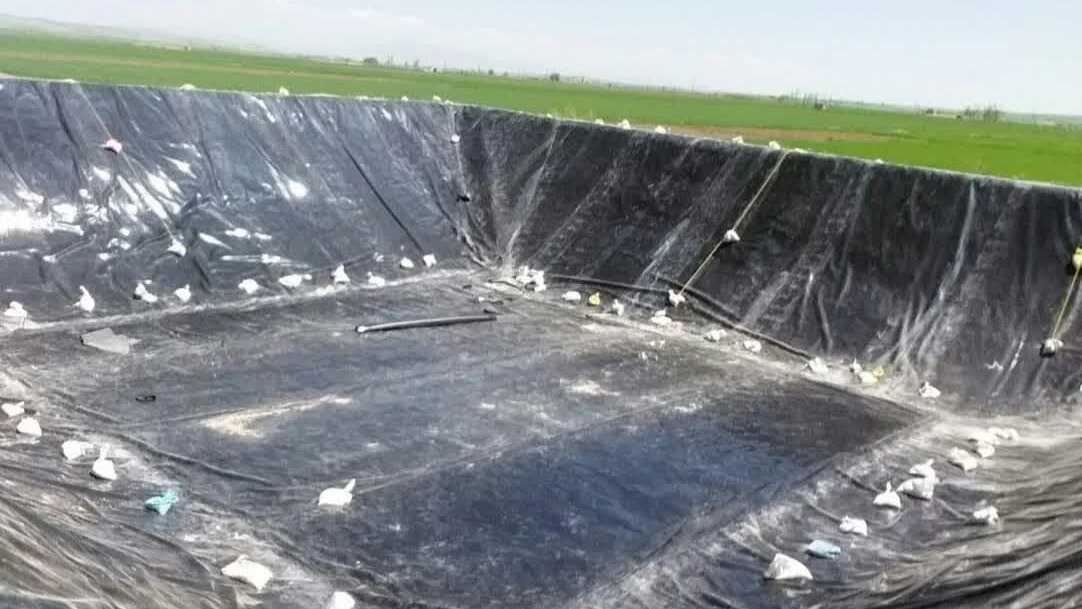
PVC geomembrane is a type of polyvinyl chloride waterproof sheet that is produced from the combination of vinyl compounds, softeners and stabilizers. This sheet has outstanding properties such as flexibility, resistance to corrosion, water and UV rays. This sheet can be made into different shapes by various methods such as extrusion, welding or gluing and can be used for various purposes such as water protection, environment, mining, agriculture and construction.
PVC geomembranes can be reinforced into two main types. It is divided into reinforced and unreinforced. The reinforced geomembrane has a layer of fabric or fiberglass in the middle of the sheet, which increases its tensile, tearing and bending resistance; This type of sheet is suitable for cases that require high resistance. Non-reinforced geomembranes consist only of PVC layers and will be suitable for cases that require high flexibility; This type of product can be easily cut and welded in complex shapes.
HDPE geomembranes
HDPE geomembrane sheet is an impermeable cover of high density polyethylene polymer used for geotechnical and environmental engineering projects that require protection and pollution prevention. These sheets have outstanding mechanical and chemical properties, high resistance to heat and aging, UV rays and stress cracking. The HDPE model is produced with pure resins and does not have any fillers, external additives or plasticizing agents. HDPE geomembrane sheets are used in various industries such as mining, oil and gas, infrastructure, aquaculture, agriculture and marine. These sheets are used as a cover for sedimentation ponds, flocculation piles and other structures containing various materials. Also, they are necessary to prevent leakage of pollution to the surrounding environment and to ensure compliance with environmental regulations.
ان LLDPE geomembranes
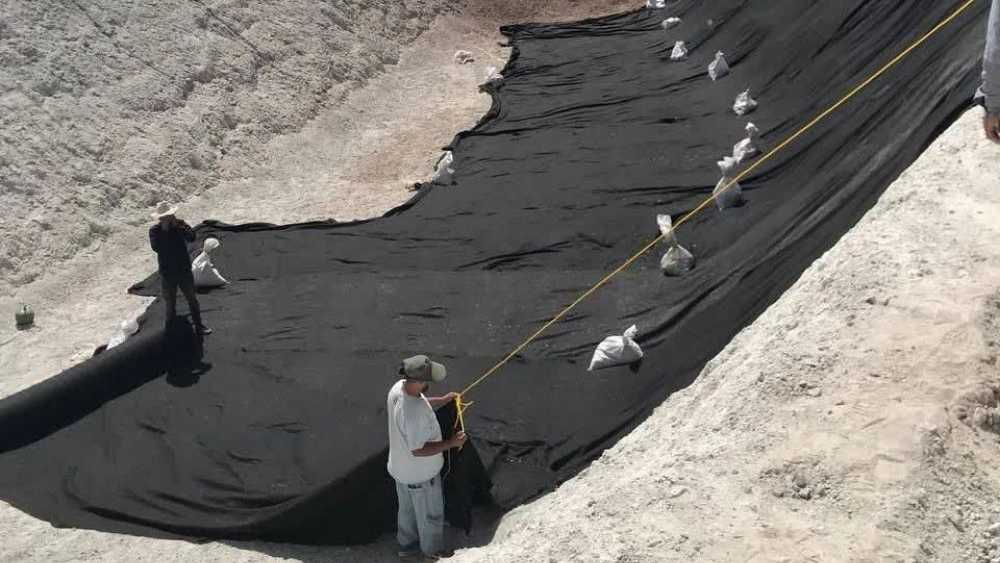
LLDPE geomembrane is a type of polymer from the polyethylene family that is produced from virgin polyethylene resins. This type of geomembrane has high flexibility and excellent resistance to low temperature and ultraviolet radiation; It is also designed with quality and economy for a long life and shows a high degree of strength and durability. On the other hand, LLPDE geomembranes are suitable for cases that require more flexibility and elasticity. The superior tensile properties of this sheet make it a suitable solution for projects that need to adapt to the shape and curvature of the earth. The benefits of LLDPE geomembranes include superior flexibility, UV and chemical resistance, puncture resistance, performance and durability. Also, common applications of LLDPE geomembranes include irrigation ponds, canals, water tanks, cells, covers, landfill caps, sewage ponds, and treatment plants.
RPP geomembranes
RPP (Reinforced Polypropylene) geomembrane sheet is a reinforced polyester material designed for water protection purposes. This material has very good chemical resistance and will be suitable for long-term use in buried or accessible areas. Also, this sheet is reinforced with a nylon fabric to create high stability and strength. RPP geomembrane is very flexible, resistant and anti-UV. Polypropylene is a superior product that costs more than PVC and HDPE, which are its direct competitors.