
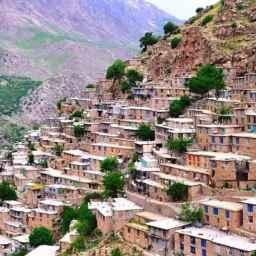

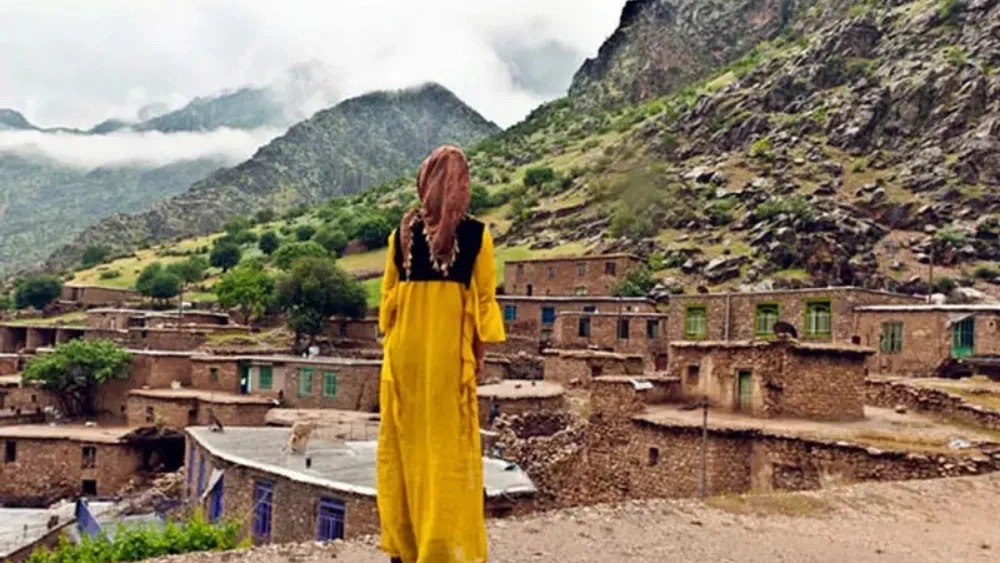
According to the remaining documents, people lived near the villages of Nav, Hajij and Spriz, whose history is estimated to be around 40 thousand years and they were in the Paleolithic era. From this historical period, the tools of the cavemen, the remains of the stove and some bones that are similar to the skeleton of an antelope were found in the caves of Mero and Gilan. Also, the bones of Neanderthal humans have been discovered in Shanider and Biston caves, which are said to be more than 40,000 years old. Over time, people migrated to this village, whose remains were found in a cave called Kanache.
It is interesting to know that researchers have found evidence around the village of Roar, including a large stone grave with a dome-shaped roof and a number of houses, which show that people lived in this area during the Iron Age, and their history dates back more than 3,000 years. Estimated year. These findings are considered to be the most historical works of this region and its architecture is related to the western region of Zagros. Because its design and construction is in the shape of China land, and an inscription was found near the village of Tangivar, which seems to have been remembered from the Assyrian era. Pictures of the Assyrian ruler named "Sargon II" are engraved on this inscription, and also a cuneiform inscription was found, which, after being translated by experts, mentioned the subject of the Assyrian ruler's attacks on the Oraman and Zagros regions.
It is interesting to know that the researchers have found documents around the village of Roar, including a large stone grave with a dome-shaped roof and a number of houses, which show that people lived in this area in the Iron Age, and their history dates back more than 3000 years. Estimated year. These findings are considered to be the most historical works of this region and its architecture is related to the western region of Zagros. Because its design and construction is in the shape of China land, and an inscription was found near the village of Tangivar, which seems to have been remembered from the Assyrian era. Images of the Assyrian ruler named "Sargon II" are engraved on this inscription, and also a cuneiform inscription was found, which after being translated by experts, refers to the Assyrian ruler's attacks on the Oraman and Zagros regions.
Archaeologists have found a number of animal skins in this village, which they believe are from the Parthian and Seleucid eras, and are engraved in Pahlavi and Greek languages. All these historical statistics were inside a container that it is said that a person named Dr. Saeed Kurdestani gave them to the British and they kept these valuable objects in the museum of their country. It seems that at that time, people used to write their purchase and sale documents on animal skins, and these discovered skins were originally documents of land purchase and sale transactions between two people, and the names of the people who were present in the transaction were written on them as witnesses. Researchers have estimated the age of this skin around 120 years BC.
The best time to travel to Oramanat
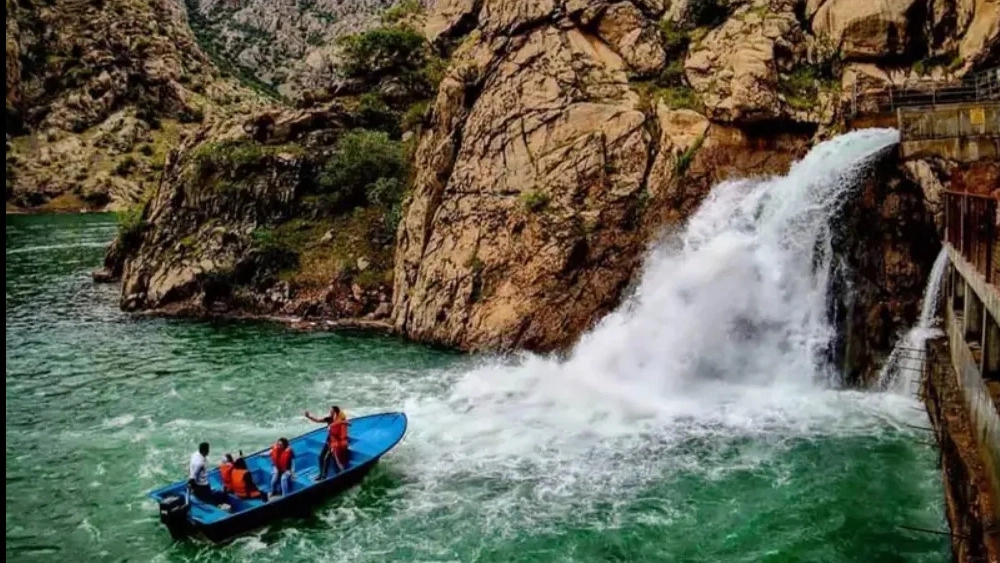
Uraman has an eye-catching and beautiful nature. The mountainous climate of the region and its special nature make it pleasant to see the beauty of Oraman in any season of the year. But it is natural that May should be separated from other times, because the dreamlike beauty of Oraman doubles in May, and the image seen in this month of spring in Oraman is incredible and dreamlike. Perhaps, to describe this dreamy image and natural landscape, only the title "a piece of paradise" can be used. The nature of Oraman and its mountains and the Sirvan river that flows near Oraman and its dams are among the beauties of this city.