


By publishing this article, we intend to simplify the choice of the best option for you by stating the characteristics and reviewing the types of air conditioning systems. An air conditioning unit is an integral part of any home and takes up a major portion of your essential home appliance budget. The correct choice is very important because the cooling, comfort and energy consumption of your home directly depends on it.
Checking the types of air conditioning systems
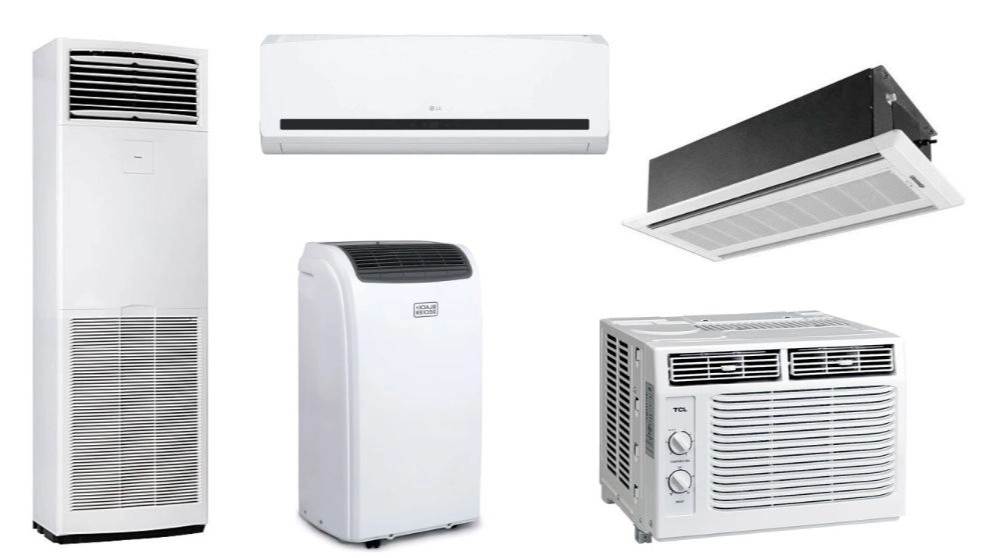
There are eight main types of air conditioning equipment in the market. Each type of air conditioner is designed for a specific space and fulfills a specific purpose. The different types of AC are as follows:
Central Air Conditioner
Ductless Mini Split
Window Air Conditioner
Portable Air Conditioner
Floor Mounted AC
Hybrid / Dual Fuel Air Conditioner
Smart Air Conditioner
Here are 4 important factors to consider while choosing the best type of AC for your home, explained below It has been:
budget
energy consumption
space and maintenance requirements
cooling power
1. Central gas cooler
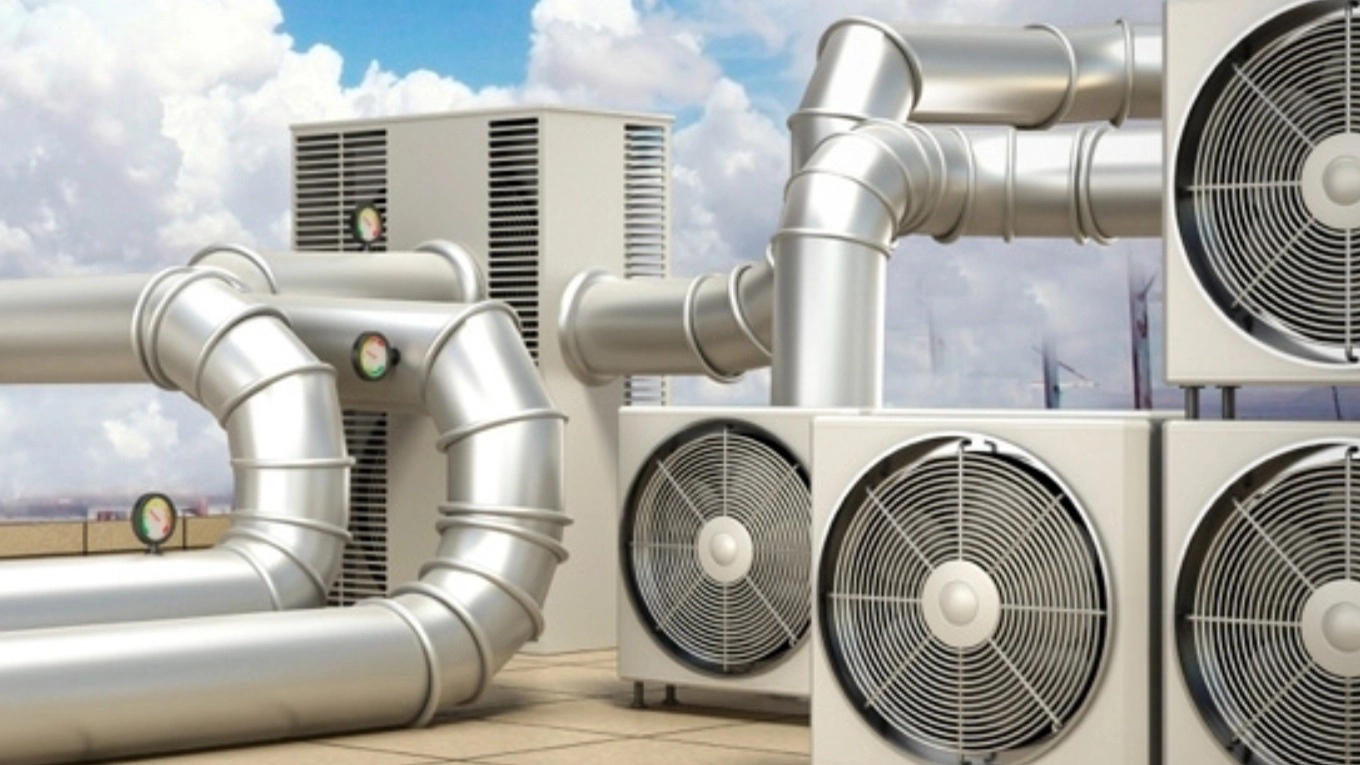
If you have a big house and want to cool several rooms at the same time, this type of air conditioner is suitable for you. A central air conditioning unit uses a split system that regulates the air through ducts installed in your home.
Split aspect means that the system is a combination of two main units. The outdoor unit is closed in the condenser and compressor. While the internal unit includes the evaporator coil and air intake. Like any conventional air conditioner, central air conditioning uses refrigerant to remove heat from the indoor air. This heat is drawn out and cool air is pushed in through the air transfer channel.
2. Mini Split Without Duct (Dacts)
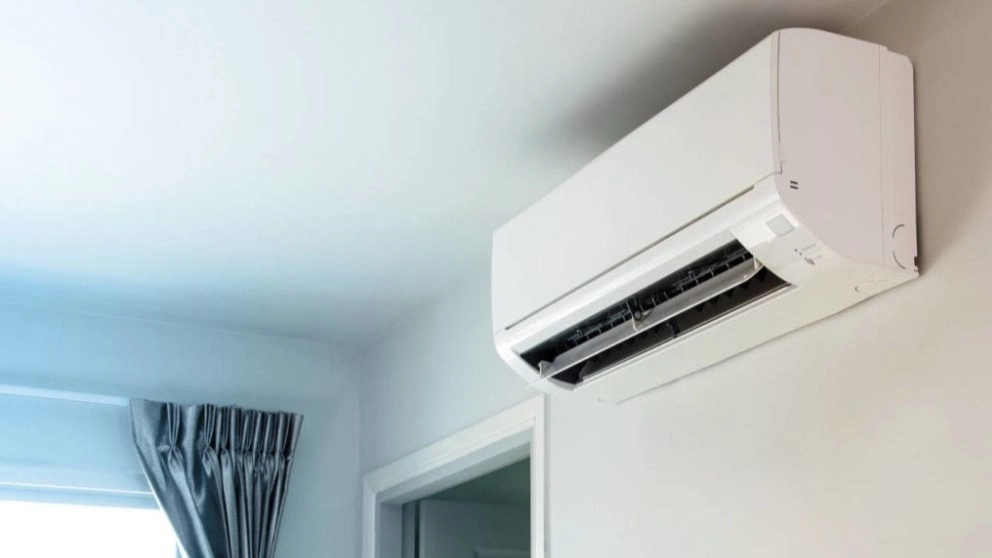
If you want better efficiency, or you want to eliminate a lot of air conditioning ductwork, or you just want a part of your house to be cooled, choosing a ductless mini-split air conditioner is a great choice. Ductless systems are a great choice for today's homes.
This type of air conditioner is a combination of an outdoor unit consisting of a compressor and a condenser, which comes with one or more indoor units. These indoor units are installed on the wall and equipped with an air blower. Indoor and outdoor units are connected through pipes, and the refrigerant in them is different depending on the type of use.
Since these indoor units are small and compact, each room usually installs its own unit. which can be used for heating or cooling purposes. These types of air conditioners seem to be more energy efficient than some of the other options on the market, but they can also be heavy on your pocket if you plan to install one unit in each room to cover the entire home.
3. Window air conditioner
Since window air conditioners come in different sizes, they are perfect if you are looking to cool a single room or a small area. If you are looking for a large window air conditioner, you can even cool a small house depending on whether it is one floor or an open space. Window air conditioners have been known as the champion of cooling smaller spaces since the beginning and are known as the most common type of air conditioner.
A window air conditioner is a unit that has all its components inside. It removes heat from the outside and blows cool air into the room on the inside. As its name suggests, it is installed in the window or by making a hole in the wall. Such an air conditioner has a filter that slides out so that it can be cleaned regularly for full AC efficiency. This air conditioner has a control on the unit and may also come with a remote control.
4. Portable air conditioning
A portable air conditioner is similar to a window air conditioner. They also come in a unit with all the components enclosed inside, but the difference is that it is a self-contained unit and can therefore be moved from room to room. All it needs is an electrical outlet to turn it on and access to a window where the air is discharged through a funnel. Not practical, you can opt for a portable air conditioner. They are very useful and their smaller models can even be used for dens or bathrooms. Portable ACs can be single ducts that take air from inside the room and direct it outside. or two ducts that use a hose to draw air from the open space, this air cools the compressor and then leaves the house through the other duct.
5. Air Conditioning on the ground
If you prefer a mini-split but don't have the space for a wall-mounted unit, floor-mounted air conditioners are designed for convenience. The indoor floor mounted AC unit is placed on the ground and the outdoor unit can be installed without any main site preparation or any ducting. This arrangement is also ideal for spaces with sloping walls such as attics or buildings constructed with fragile materials such as glass. A small hole in the wall connects to the outdoor unit.
One of the amazing advantages of this AC placement is that it allows you to easily check the air filters!
Easy access to Air filters make floor air conditioners ideal for people with respiratory problems or people who want to keep their indoor air quality as clean as possible.
6. Smart gas cooler
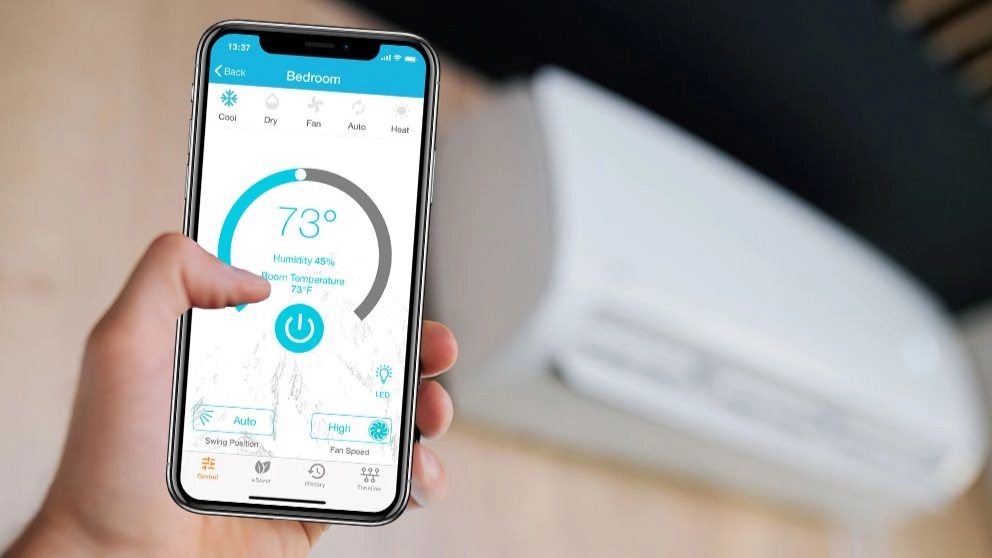
Control your smart AC with your smartphone. A smart air conditioner is a small, window or portable air conditioner that has the Internet of Things. These ACs are Wi-Fi connected and come with a native app that offers global control via smartphone.
Depending on the manufacturer, these air conditioners have multiple functions. Some of these include weekly scheduling, geofencing, comfort mode, temperature range control and many other features. With these you can achieve great comfort along with energy savings.
Smart AC controls are also available in the market which provide all the functions of a smart AC to any conventional ducted unit. They work like programmable thermostats and cost less than smart ACs.