

Teeth are one of the most important parts of the body and they play a role in your beauty and health! If you have a toothache, you cannot eat easily and this issue can have many harmful effects on your health. On the other hand, if your teeth are not beautiful; You will not have enough self-confidence to smile and socialize. So the health of teeth and their beauty are one of the most important issues that can exist in a person's life.
What is a toothache?
Toothache is one of the most important complaints with which people go to the dentist. Toothache can have different causes and cause different intensities. One of the most important issues in toothache is to correctly diagnose the cause of toothache. If you know why you have a toothache, you can better treat it.
Toothache may be sharp, dull and sometimes very severe. You should consult a dentist to check this pain. In some cases, the toothache may be very severe and cause nerve damage. Sometimes it is also possible that the toothache is caused by an infection and this infection spreads to important parts of the body such as the heart. Therefore, the cause of toothache is very important because it can seriously affect a person's health.

What is the cause of toothache?
There are many reasons that can damage your teeth. If you experience this pain, it is necessary to see a dentist to find the cause of the pain and treat it completely. Ignoring a toothache only gives the underlying problem time to get worse. It is easier to treat a toothache before it becomes a serious problem. Ignoring toothache and not treating it can lead to tooth loss.
Tooth decay creates a cavity in the tooth and causes the loss of the hard surface of the tooth, which is called enamel. At first, these cavities may cause no symptoms, but eventually they can lead to toothache, especially if the cavity is very large or close to the nerves inside the tooth. The first symptom of caries is pain when eating sweet, too cold or too hot food. If you want to treat your tooth decay, you are probably worried about dental costs. But be careful that even if the dental fee is a little high, the treatment in the early stages of decay will be much easier and less costly.
2. Tooth pain after denervation
Nerve removal is done using anesthesia, but when the effect of the anesthetic wears off, you may feel pain and discomfort. One of the issues in tooth nerve pain is that most of this pain is related to tooth sensitivity. Your tooth becomes slightly sensitive to temperature and impact and you feel the pain more. This pain is treated 2-3 days later and you may even have pain only on the same day.
3. Exercising a lot
Exercise is great for the body and mind, but could it be damaging your teeth?
Researchers found that people who do endurance sports have more They do not exercise, they are more exposed to erosion and tooth decay (loss of tooth enamel). The more you exercise, the more likely you are to develop cavities. Dentists think that this may be related to lack of saliva. More than 90% of saliva is made up of water.
When the mouth is dry, the teeth are exposed to decay because bacteria grow strongly in this environment. If you sweat a lot during exercise, pant for long periods of time, and don't drink enough water to replace lost fluids, this can put you at risk for tooth decay.

You may experience toothache in different ways after tooth restoration. One of these cases is pain after tooth filling. If too much force is applied to a previously filled tooth, the filling material may become dislodged. Decay around or under dental fillings can also cause fractures and food is pushed into that area when chewing.
This space can become an environment for the accumulation of chewed food and, as a result, the growth of bacteria. This process leads to more decay and pain in the tooth. You will probably feel their absence on the tooth after the filling material is removed. If this problem occurs, go to the dentist immediately to refill that tooth.
5. Abscess
When food particles get stuck between the teeth and you continue to chew, you push the food further into the gums. Over time, this causes inflammation and pain. It can even cause an abscess along the gum line. The gum line is where food gets trapped for a long time, causing decay and infection. Abscess, swelling and even pus may be seen at the site. The sooner the abscess is treated, the better, because if the abscess is not treated, it can lead to various gum diseases. As an effective solution, don't forget to use dental floss daily.
6. Tooth fracture
Tooth pain may occur due to cracked or broken tooth. This fracture is usually not in the entire tooth and occurs in a piece of the tooth. Most of the time, biting hard food causes tooth fracture.
7. Pain after tooth extraction
Sometimes a broken tooth needs to be extracted and cannot be kept. When the tooth is extracted, you will be injected with an anesthetic. But in some cases, surgery may be required to extract the tooth, so bear considerable pain after the anesthesia wears off. Of course, this pain goes away after a few days and is not permanent. Wisdom tooth pain after extraction can be a little more and require prescription painkillers. A prescription painkiller is a painkiller that you must have a doctor's prescription to use and obtain.
8. Wisdom teeth growth pain
Wisdom teeth are the last permanent teeth that appear in the mouth. If your wisdom teeth have not yet fully grown, or if they have grown in an inappropriate way, or if the gums cover them, you may experience toothache at times. Because wisdom teeth are difficult to reach with a toothbrush and dental floss, you are more at risk of inflammation, pain, or infection in the gums.
If necessary and at the discretion of the doctor, many people have tooth extractions. Reason gets rid of these problems. You can get help from a dental phone consultation.
9. Gum infection
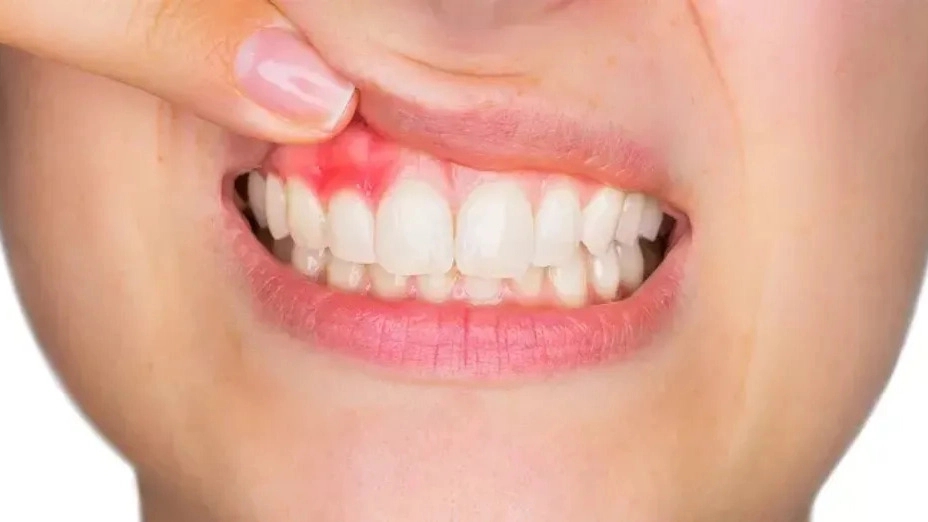
Gum infection does not exactly cause toothache. In fact, you may have trouble distinguishing toothache from gum pain. In the mild type of gum diseases such as gingivitis, the gums become red and swollen and cause pain. Usually, regular brushing and flossing can eliminate this type of toothache. If left untreated, gingivitis can lead to periodontitis, which is a more serious type of gum disease. You can use painkillers or anti-inflammatory drugs to reduce pain. You also need antibiotics to treat the infection. 10. Impact on the tooth
Sometimes toothache is caused by an impact or injury to the tooth. Even a blow to the head, if it causes your jaw to collide, can cause damage to the teeth.
Inside the limited space of each tooth, there are veins and nerves that become swollen due to damage to the teeth. There is no room for swelling inside the closed space of each tooth, so the pressure is transferred to the bone and the brain interprets it as pain in the tooth. Fortunately, most minor tooth injuries resolve within a few days, as long as you don't bite down too hard. But it is necessary to visit a dentist for an examination.