
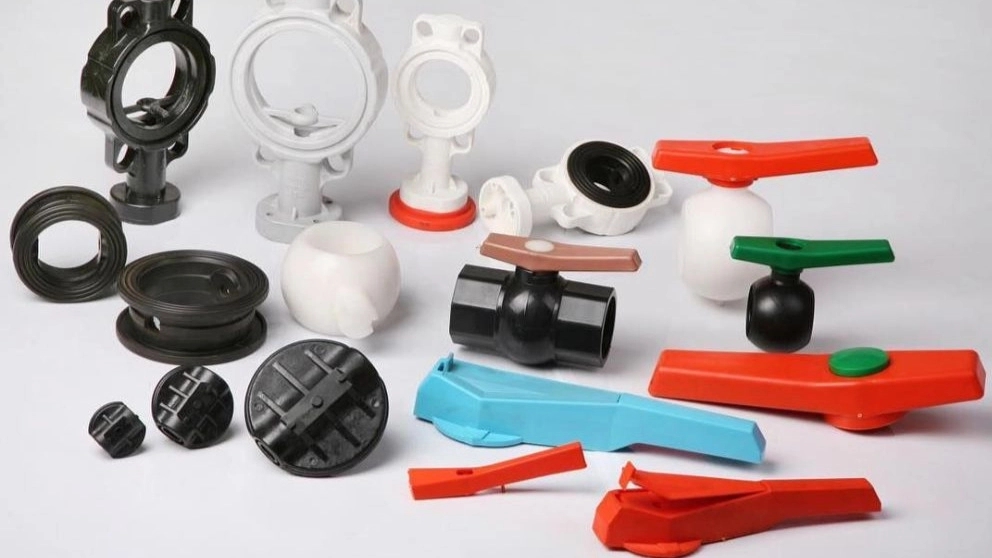
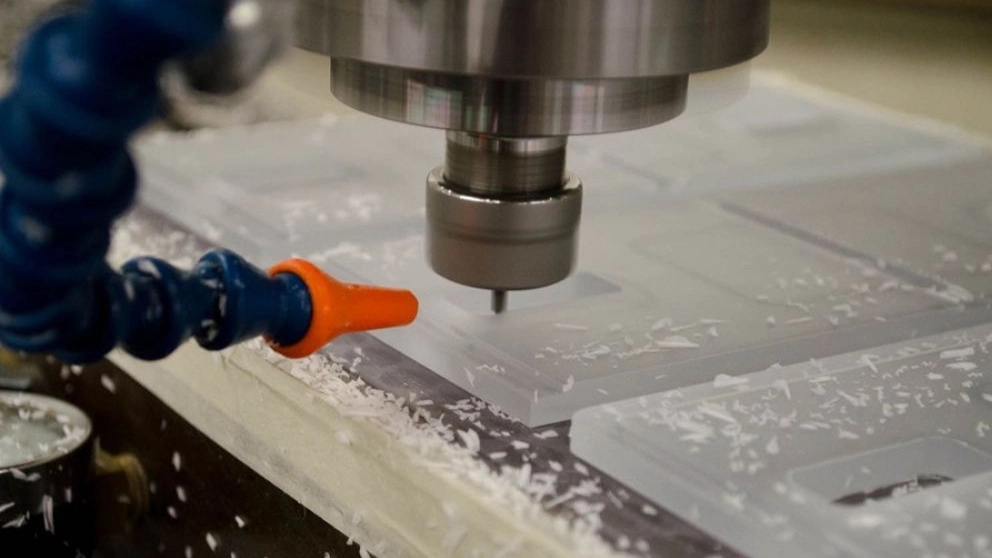
CNC machining is a cutting manufacturing process that forms a complete part by continuously drilling, turning, or milling thin layers from a solid block of metal or plastic. A CAD file guides the computer-controlled cutting tool down the set tool path to form the final part. Much of the machining process is handled by a computer. It is known for fast rotation and production of high quality and uniform parts. Additionally, CNC machining can produce parts with some of the tightest tolerances possible.
However, there are a few key limitations that engineers and product designers must keep in mind when using CNC machining for plastic parts. to be The main disadvantage of CNC machining is often cost. Although operating costs for CNC machining vary by method, initial setup costs can generally be high. As such, this manufacturing process is unlikely to be cost effective outside of medium to high volume production periods.
1. Medical
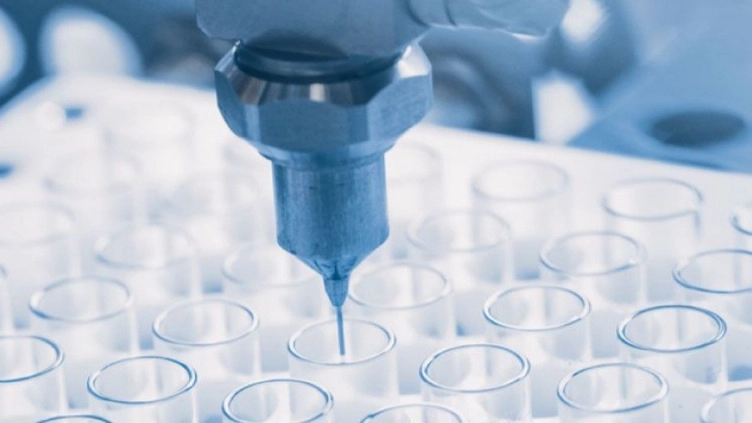
Although injection plastic parts are often used. But plastic CNC machining is an excellent choice for medical devices and parts because of its inherent precision. Medical equipment manufacturers rely on CNC machining to produce uniform and complex parts.
Product design during this process has high flexibility. Engineers can easily modify or manipulate digital design files to achieve their desired design, making it quick and easy to create personalized medical devices such as dental surgical guides or cardiac implants. Additionally, there are many medical specialty materials available for CNC machining.
2. Food and beveraged industries
As science and technology evolve in tandem and consumers increasingly demand healthy and sustainable food and beverage production, the demand for high-quality food service equipment is greater than ever. . Food and beverage manufacturers need parts that are tough enough to work around the clock, but safe enough to come into contact with the foods people eat every day.
CNC machining helps engineers to achieve this delicate balance. Ultra High Molecular Weight Polyethylene (UHMWPE), a popular plastic used in CNC machining, is a stain, abrasion, odor and solvent resistant plastic that meets all FDA, USDA and 3-A Dairy requirements. . It can be used to make everything from spray rods to assembly line parts. Containers and parts made in Supel, including 10-liter gallons, are made of polyethylene.
3. Semi -conductor scores
Semiconductor components offer an intermediate level of electrical conductivity that is classified somewhere between a conductor and an insulator. Semiconductor components are used in a wide range of electronic devices including diodes, integrated circuits, transistors, etc. They are shockproof and usually compact and can last almost a lifetime.
Making these parts would not be possible without plastic CNC machining. Semiconductor components and assemblies are often very complex and require very tight tolerances and high surface finishes. The precision and mechanical strength enabled by CNC machining make this process ideal for producing such parts. Plastic CNC machining produces hard parts with excellent electrical properties that are ideal for applications such as electrical insulators, small circuits, gaskets and waterproof seals.
4. Car and aerospace lines
When it comes to manufacturing high performance engineering parts and components for automotive and aerospace applications, CNC machining is an ideal method due to the wide variety of plastics available.
For example , ULTEM (PEI) can operate at temperatures above 400°F and is often used to create fire retardants, aircraft seat covers, and turbine engines. Plastic CNC machining may be one of the most expensive manufacturing processes out there, but aerospace engineers can't put a price on strength and durability when it comes to critical parts.
5. Functional Station
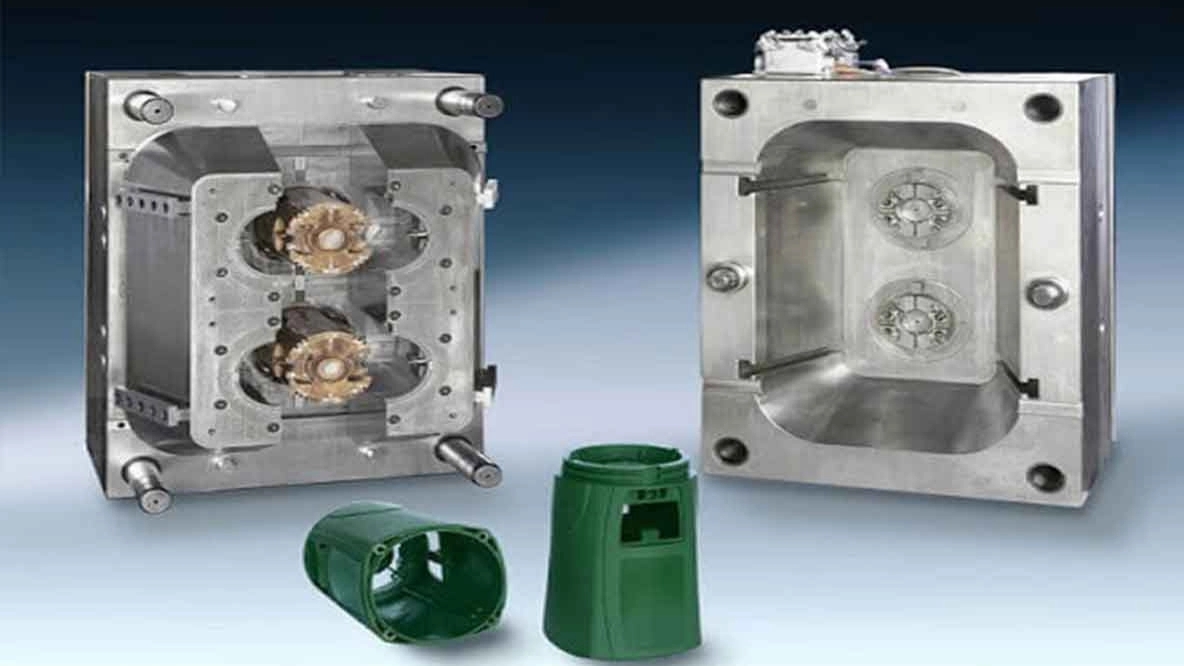
Plastic CNC machining can also be used to perform functional testing, when a small batch of possible parts must be made with the final material before the injection molding process begins.
Assuming Suppose an engineer has a design for a custom gear that is mass-produced using injection-molded polytetrafluoroethylene (PTFE). The engineer may want to test the part with 3D printing first. Unfortunately, however, PTFE is not 3D printable. CNC machining, on the other hand, is compatible with a wider range of materials, including PTFE.
With CNC machining, engineers and product design teams can machine a number of parts in the finished material, perform functional testing, design approve, then use the design for mass production through injection molding