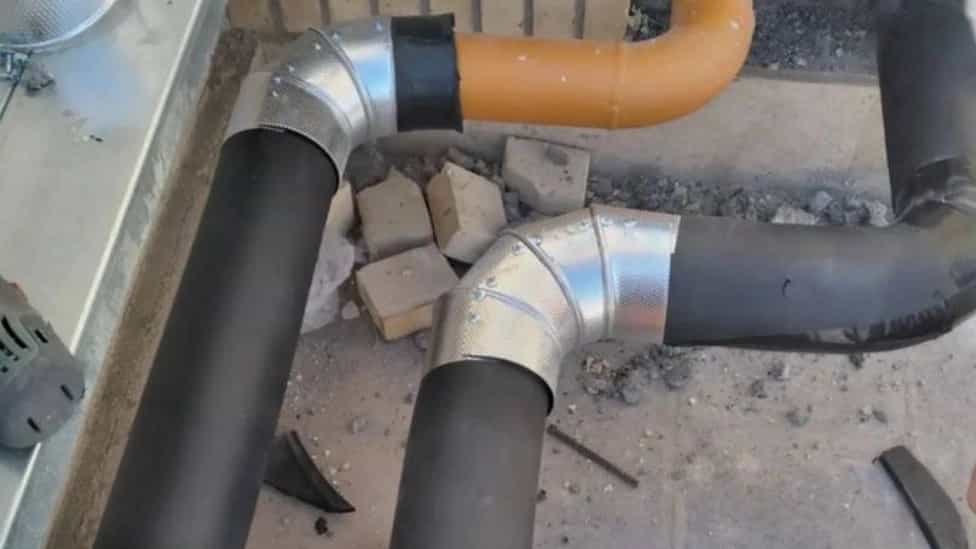


🔻 🔻 Using pipe insulation
Pipe insulation plays a vital role in the process and power plant, as it ensures the integrity of the process cycle. The conditions of the "flowing fluid" inside the pipe must be within the limits set according to the project requirements (such as temperature, viscosity, pressure, etc.). This article covers the types of pipe insulation, insulation purposes, applications, coating considerations, insulation materials and Codes and standards deal with insulation.
Insulation is a protective layer that is placed on the outside of the piping system. This creates a barrier between the fluid flowing in the pipe and the outside environment. Pipe insulation ensures that heat losses are effectively reduced and the piping system continues to operate economically, functionally and safely permanently. Isolation is the only way to ensure the maximum efficiency of the process cycle during the design life without any losses as a result of errors.
The purpose of pipe insulation 🔻
Insulating process pipes is a process that brings many benefits to the piping system, which increases the efficiency of the work being done.
Some of the purposes of pipe insulation are as follows:
< To prevent heat loss
. To prevent heat increase
. To avoid congestion
. To protect against the cold
. To create personnel protection against high temperature for the human body
. To reduce CO 2 emissions. To ensure the stability of the process temperature
. To reduce the noise of the piping system
coating should be applied to protect the insulation against the effects of weather, mechanical loads, fire and potentially corrosive contamination. Choosing the right cover depends on various factors such as work load, wind load, ambient temperature and some other conditions.
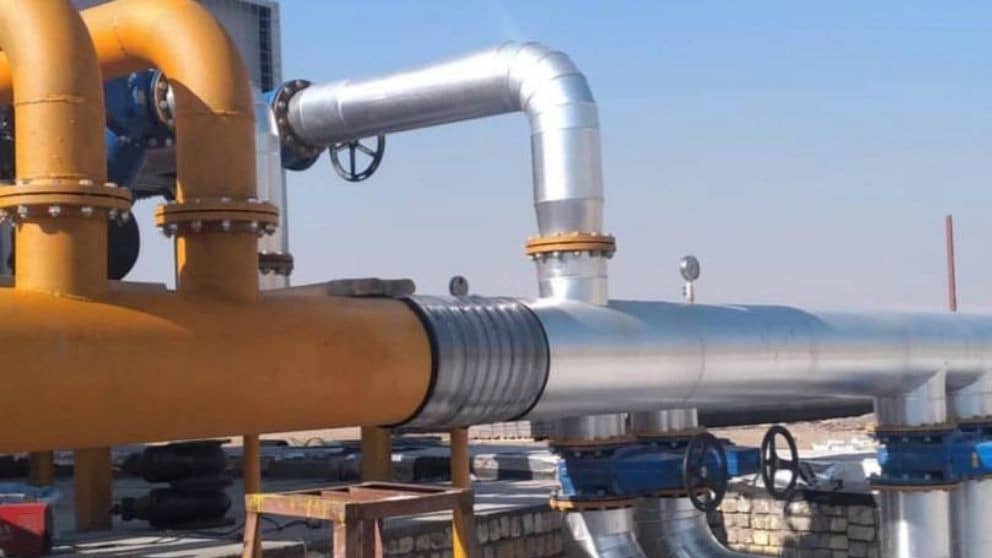
️ ️ Important points to consider when selecting coating materials
✔️ As a general rule, we should prefer galvanized pipe to aluminum for internal piping. Since mechanical resistance, fire resistance and low surface temperature are higher compared to aluminum coating, and also the price of galvanized pipe is more economical than aluminum.
✔️ in corrosive environments such as piping In open space, aluminum, stainless steel or glass-reinforced polyester is used as a cover. Use rust.
✔️ The surface temperature of the coating is completely dependent on the MOC (material of manufacture) of the coating, the glossier the surface, the higher the surface temperature of the coating sheet.
✔️ To ignore The risk of galvanic corrosion, we must use materials that do not corrode due to their electrochemical potential. ethylene) is installed on/inside the insulation.