
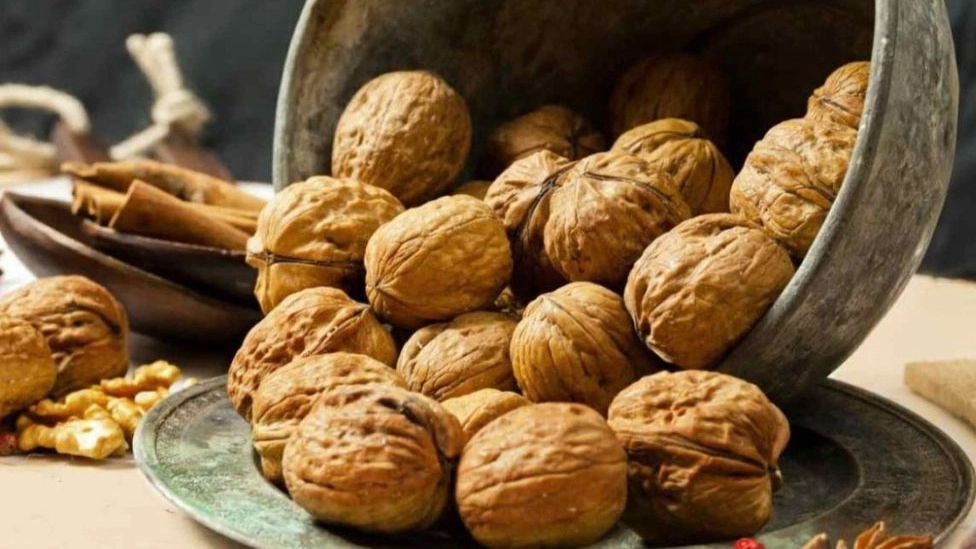
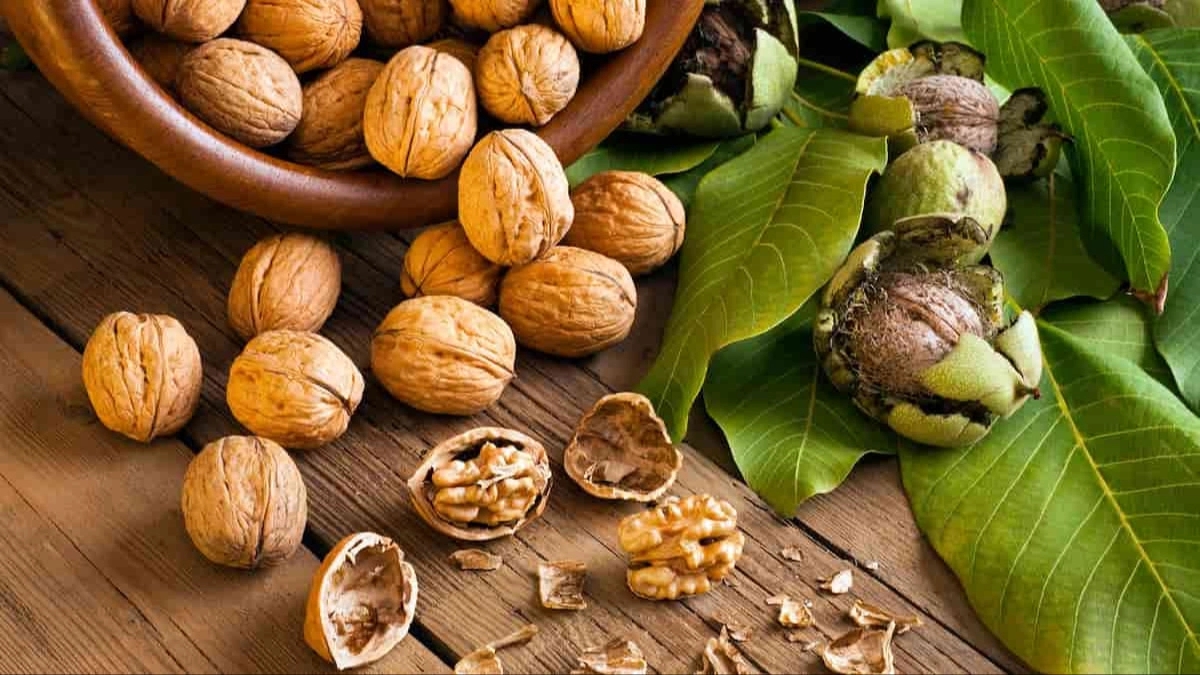



Walnut is a popular product in Iran because of its rich nutrients. This brain is rich in omega-3, antioxidants and useful fats, which have turned the walnut seedling into a tree suitable for profitability in horticulture and agriculture. In the description of the profitability of the walnut tree, this one sentence is enough that the purchase of walnut seedlings is as profitable as a dollar. This product is easily sold both inside and outside of Iran, and its high price has led to profitability for gardeners.
What is Walnut Seedlings and Walnut Seedlings?
Walnut seedlings are among the seedlings that many farmers are interested in growing. The reason for this desire is that all kinds of walnut breeds are suitable for different weather conditions and the maintenance of this tree is not challenging. The walnut tree is an early-yielding sapling whose product has a very reasonable price and is welcomed by buyers. In addition, this plant is compatible with the climate of different parts of Iran, and even some of its species are native in Iran are cultivated.
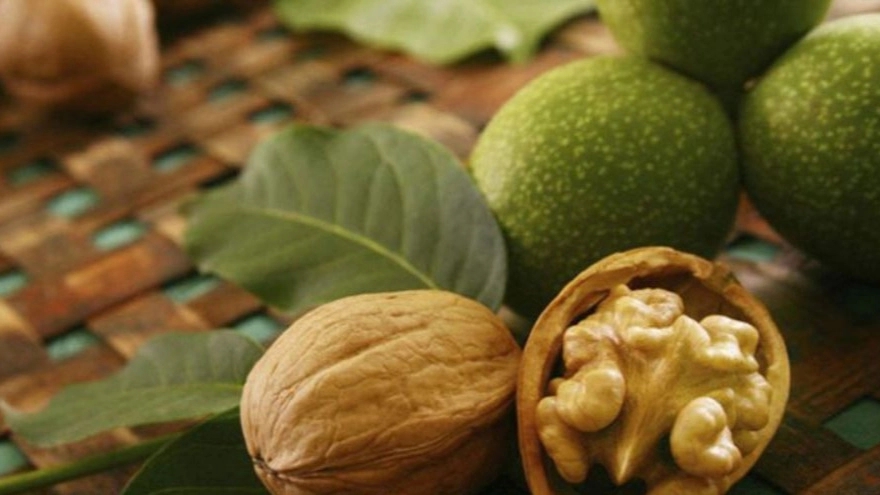
First of all, it is necessary to know that walnut seedlings are produced in two types: transplanted and seeded. will be Previously, transplanted seedlings were less popular, but today, the use of transplanted walnut seedlings, such as transplanted Chandler walnut tree seedlings, is very common because the Chandler walnut tree has been able to occupy a significant market with its extraordinary productivity.
How to Produce Walnut Seedlings
To transplant the seedlings, the healthy bud of the walnut sapling is separated in March and kept in the refrigerator at a temperature of zero to four degrees until the spring season, which is the time of transplanting, so that they can be transplanted to the trunk wood in the spring season. First, the walnut wood and bud are cut and the bud is attached to the wood of the seedling; The cuts are made in various ways such as slanted, plain and heeled and the connection is done according to these cuts. There are various methods for transplanting walnut seedlings. Examples of grafting methods include the patch, abdominal, chisel, omega, tab, and Kashi method. When buying walnut seedlings, you should pay attention to the quality of this link. Seedling grafting should be regular and the roots should not be scattered.
Seed walnut seedlings usually have a flat and uniform trunk and deep and straight roots. In transplanted seedlings, a bump is observed in the place where the transplant was done. The quality of this transplant site is effective in the quality and productivity of seedlings. The price of seeded walnut seedlings, such as Aria Nahal genotype walnut seedlings, is much lower than the grafted type. Because a kind of eugenics has been done in the transplanted seedling, which will affect the quality of the walnut tree. Next, we will talk about the benefits of transplanted walnut seedlings, compared to seeds.
Comparison of Walnut Seedlings with Seed Walnut Seedl
Advantages of transplanted walnut seedlings
But the transplanted seedlings will have good fruit very soon due to the modification done in it, and the final product is one-hand and of high quality. In addition, since the flowering time of grafted seedlings is a few days longer than other trees, the blossoms of these trees are not damaged by cold and can be expected to be more productive.
Of the common and best-selling types of grafted walnut seedlings in the market, we can include grafted walnut. Chandler pointed out Fernour walnuts and Pedro walnuts. When buying walnut seedlings; You need to pay attention to various issues. Weather conditions, altitude and garden soil type are very important in determining the plant to be cultivated. In areas with a cold spring, it is better to use types of saplings that are more cold tolerant.
The grafted walnut tree shows more resistance to pests and cold due to the eugenics done on its saplings. Gives. The flowering season of these trees is later and the early spring frosts of cold regions do not affect their fruiting. This breeding leads to an increase in the quality of the final product and the uniformity of the garden products over the years.