
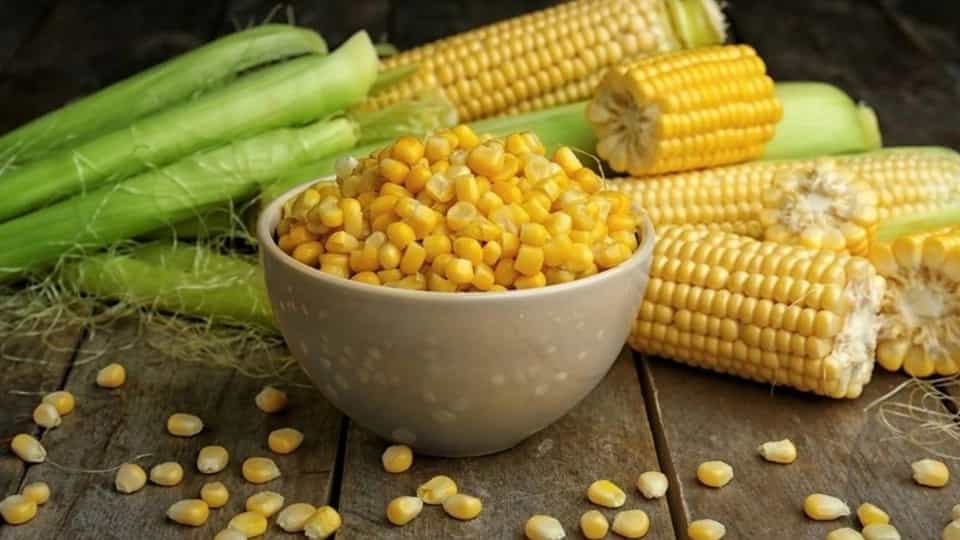

Different types of corn - sweet corn
In most cases, when people think of corn, they mean sweet corn. This type of corn is available in grocery stores and can be easily obtained. Mature corn is harvested unripe. In fact, sweet corn is harvested before the sugar is converted to starch. This means that the kernel has more sugar than starch and allows the use of its sweet seeds.
Different types of corn - roasted corn
Roasted corn is another popular variety of corn that has a hard outer shell and contains a small amount of soft starch. This variety of corn is also important for human consumption, but compared to horse tooth corn, its amount is small. According to the Popcorn Association, Americans consume 68 kilograms of popcorn per year
Different types of corn - corn flour
It may occur to people that these types of corn are technically the same. One of the oldest varieties of corn is flour corn, which contains soft starch. This corn is difficult to clean and is used in baked products and many other foods.
Different types of corn - corn corn
This corn is also called field corn. This name is due to the presence of a pit in the place where the kernel of corn is formed. According to the NCGA, horse tooth corn accounts for 99 percent of all corn production in the United States.
You won't find horse tooth corn in the produce section. This corn has more starch than sweet corn, and its flavor and texture are mild. Horse tooth corn is used as animal feed and in the industry it is used to prepare natural corn syrup and products such as ethanol, beverages and disinfectants. In the corn plant, fermentation and distillation processes are used to produce ethanol. What makes horse tooth corn suitable for this process is that its kernel has a lot of starch. This means that horse tooth corn is the most efficient raw material and it can be regenerated and its compatibility with the environment is high.
Different types of corn - corn corn
Flint corn has a similar use to horse tooth corn, but the size is not as popular (at least in the US). The outer shell of this corn is hard and glassy and it grows in Central and South America. This is mainly because in these areas flint corn is used as a source of nutrition and food (the United States prefers to produce more horse tooth corn).