
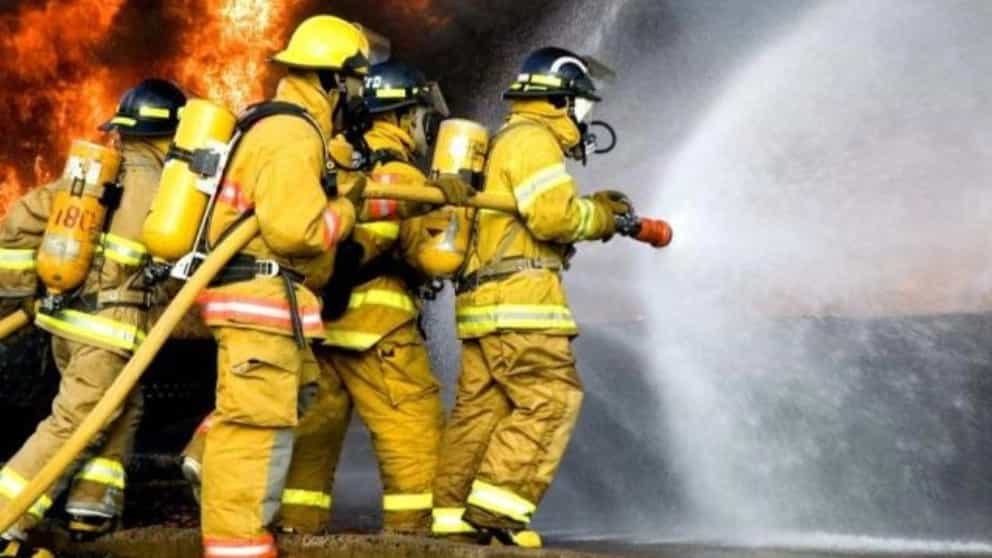

Once a fire starts, putting it out depends on things like the type of fuel that started the fire and where it started. In the following, we explain 5 well-known fire fighting techniques that are implemented by firefighters.
Actually, these are techniques that are used in different situations. Remember to leave firefighting and rescue operations to professionals and do not act only on articles and videos.
Use May (Fog Attack)
Firefighting nozzles that have the ability to spray fog are ideal for fires that are in close quarters and there is no wind blowing. In fact, this technique is used for parts of the fire that are close. Also, using this method, fog nozzles are used instead of jet nozzles to extinguish the fire. This technique is very effective for environments that do not have wind. But where there is wind, the effectiveness of this method is greatly reduced.
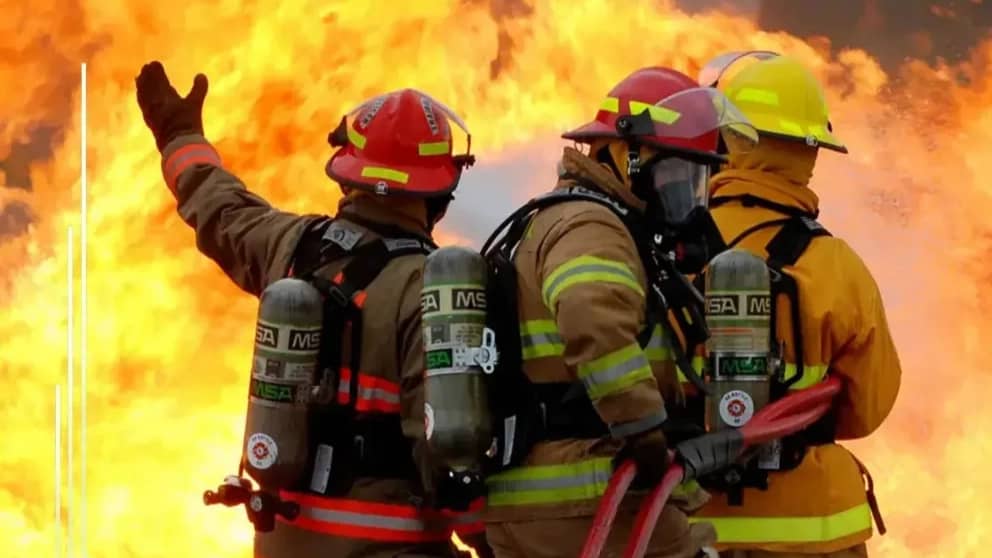
Indirect attack (Indirect Attack)
Like Fog Attack, this method is more applicable in nearby fires. Instead of the water flowing directly towards the fire, we direct it towards the ceiling or wall above the fire. This causes the water to spread like a flame and extinguish it. In fact, this technique does 2 things: - The water cools the ceiling and the wall. will be This will also prevent re-ignition
- the rest of the water will fall down like rain and help extinguish the fire
Direct Attack (Direct Attack)
Another of the 5 firefighting techniques is to attack the fire directly. In this method, the flow of water is aimed directly at the center of the fire. This technique is very suitable for suffocating the fire when there is high pressure and thick water. For this method to work properly, firefighters must have a clear and correct view of the fire.
If this method is used in an environment where there is no wind, the water vapor will be less and the fire will be extinguished sooner.
Combination Attack (combination)
This method includes the use of both direct and indirect methods. One of its main advantages is to simultaneously attack the upper gases, as the indirect method does, while directly extinguishing the fire. In this technique, the fire is extinguished quickly and the risk of fire spreading is also reduced.
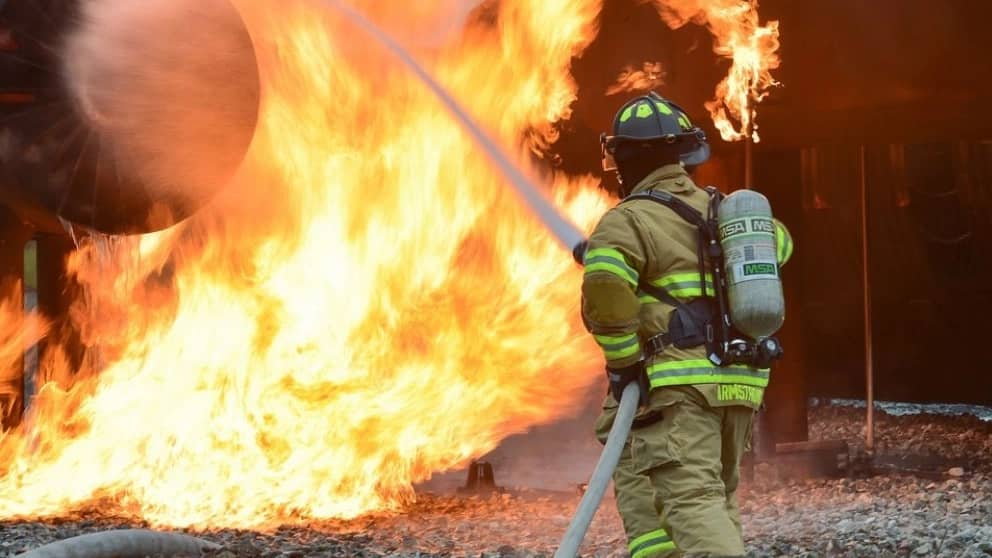
Fire extinguishing technique 2 teams simultaneous
This method is only for fires with high energy. This technique requires 2 teams, each team having a different nozzle. One team has a high/low pressure misting nozzle, and the other team has a high-pressure, concentrated flow nozzle.
As long as both teams work simultaneously and correctly, this method can be very effective. be influential. One team should focus on attacking the fire directly, while the other team prevents the flames from spreading.