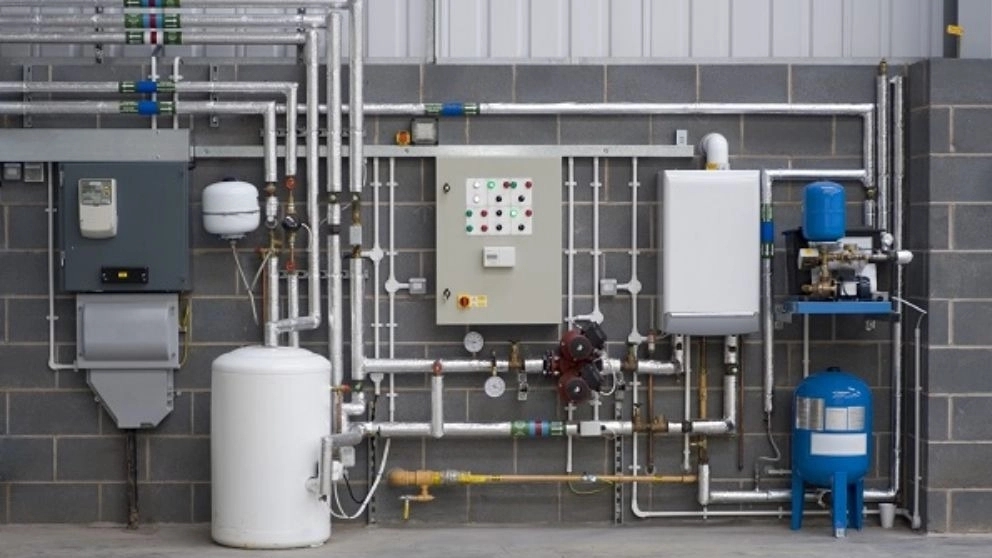
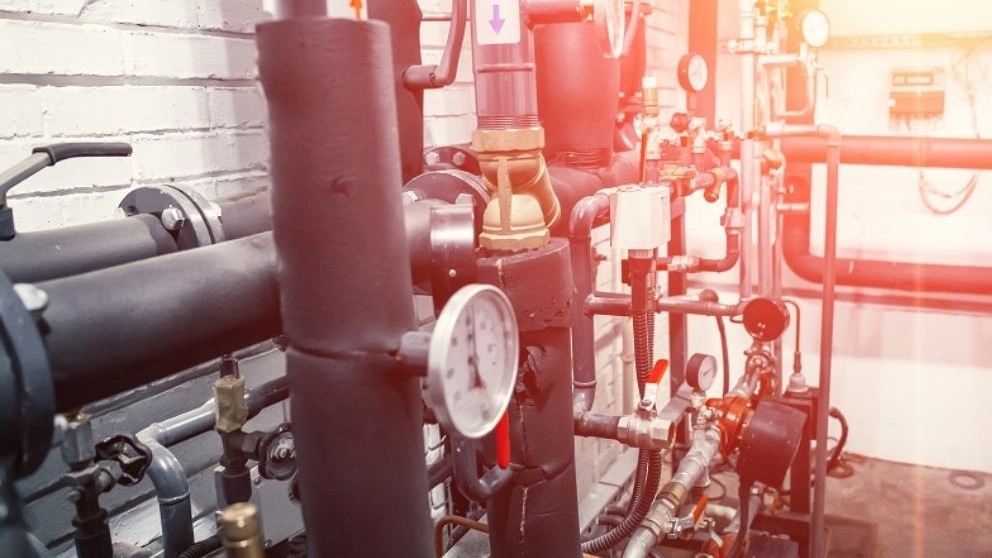
☑️ What is the engine room?
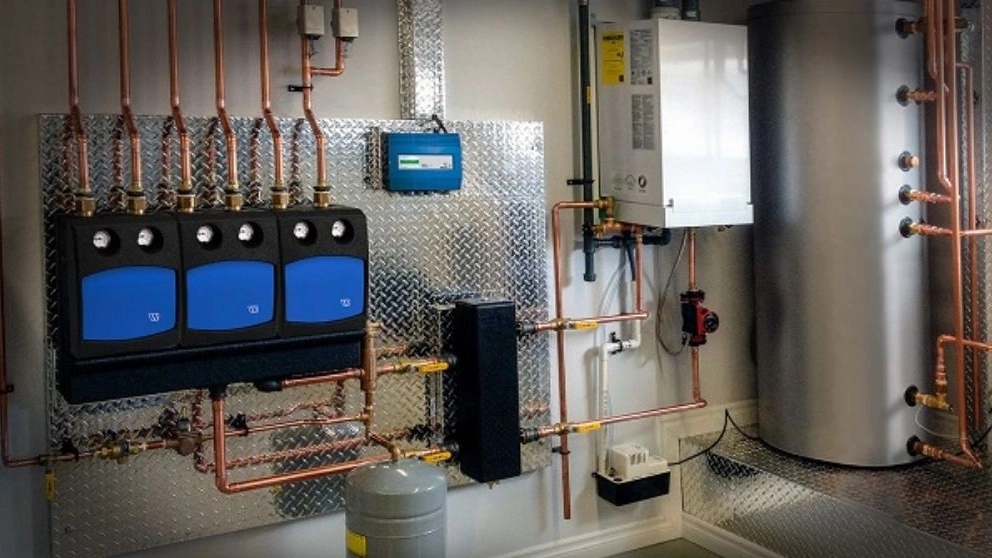
Engine room is a warehouse or room for storing heating and cooling equipment. Such as pumps, water heaters, hot water tanks, boilers, burners, etc., which provide the necessary energy for the cooling and heating systems of a building. In fact, it can be said that the engine room of the apartment is the facility maintenance center and the heat and cold transmitter to the heater and fan. The size of the engine room varies according to the type of building.
What are the types of motorcycles?
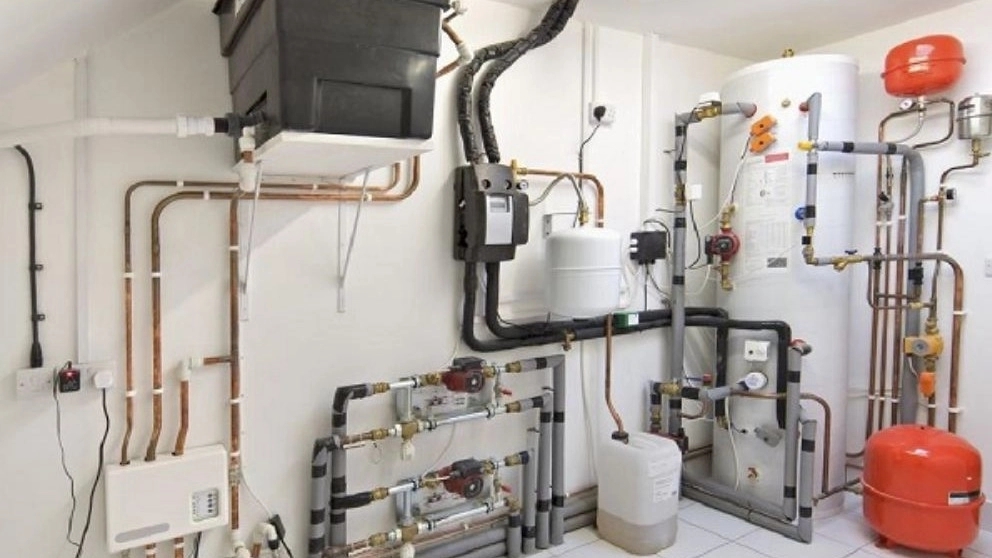
☑️ Residential Motors, Suitable for Home Consumption
Residential engine room is usually a small room that is located underground or in the parking lot of the building, where the engine room boiler, water heater, burner, electrical panel and heating, cooling and air conditioning equipment are located. In homes that do not have separate garages, heating equipment is often installed in the garage or kitchen. Since the cost of building tools and facilities for a house is very high, we recommend that you choose the package as your home heating system.
What is the ☑️ What is an Industrial Motor House; Its difference with residential motorcycle
Industrial environments including factories, offices and industrial centers are becoming large, as a result, to adjust the heating and cooling system of these spaces, an industrial engine room should be installed in There is a building. Industrial engine houses have a much larger area than residential engine houses because they have to accommodate larger and more complex equipment and tools. For large complexes such as towers and hospitals, the engine room is usually located in a separate and dedicated building.
How does a motorcycle work?
Now that we know what the engine room is, we must also understand how this heating system works. In fact, the engine room consists of various equipment such as water pump, hardener, expansion source, etc. The hardener is one of the main parts of the engine room, and as expected from its name, it is responsible for capturing minerals, calcium and other water solutes. This is how the engine room works: when the water passes through the strainer, it enters the steam boiler, and then this hot or cold water reaches the pump through the pipelines. The pump transfers water flow from hot and cold water pipes to all cooling and heating devices such as fan coils and radiators.
☑️ What are the benefits of central engine?
Engine houses were more useful in the past because they were used both in residential buildings and in industrial and office complexes; But over time and thanks to the advancement of technology, packages took the place of this heating system in apartments. Although wall and floor packages are the main heating systems in homes these days, it does not mean that motorhomes are obsolete.
☑️ Hot water storage, one of the important advantages of the Central Motor House
If they ask me, what is the biggest strength of the engine house? Undoubtedly, I say that the biggest advantage of the engine house, which makes it superior to the wall packages, is the storage of hot water in case of power failure. Since motorhomes have water tanks, they can have hot water for some time after a power outage and meet people's needs, while wall-mounted packages fail when there is a power outage.
☑️ Building engine, a low price system
For large buildings such as hospitals, commercial centers, etc., it is not really wise to install several packages, because it costs a lot, in such Conditions for saving the costs of heating the environment and producing hot water, an industrial motor house is entrusted.
☑️ Possibility of Failure and Less Problems
The engine house is less prone to breakdowns and problems than the packages, because it is made of very strong equipment and components; As a result, the costs related to the repair of the engine room are greatly reduced. On the other hand, since the engine room of the building is common, when a breakdown occurs, all residents must participate and pay for its repair. Therefore, this cost will be much lower, while the wall packages are independent for each building unit, and each unit must pay the repair costs of its package separately.