
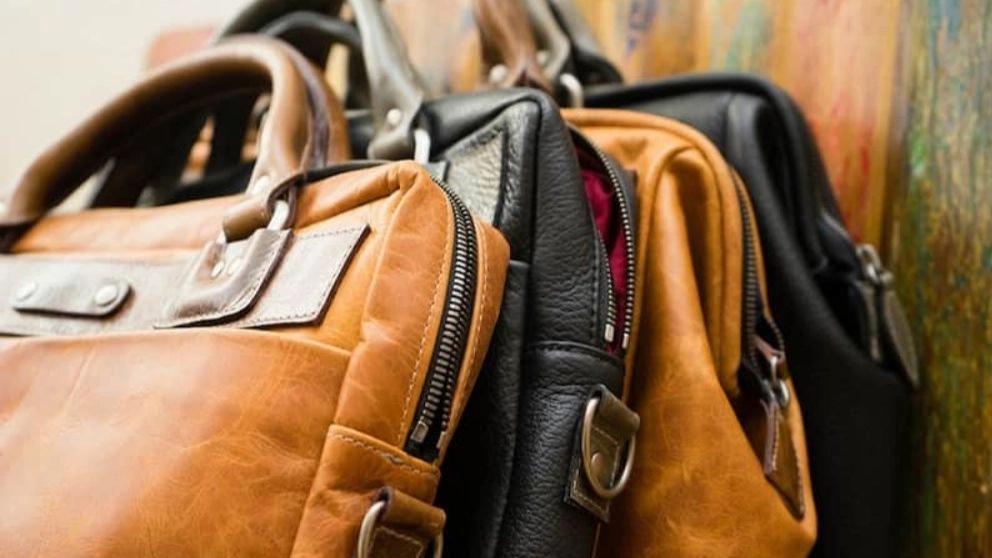
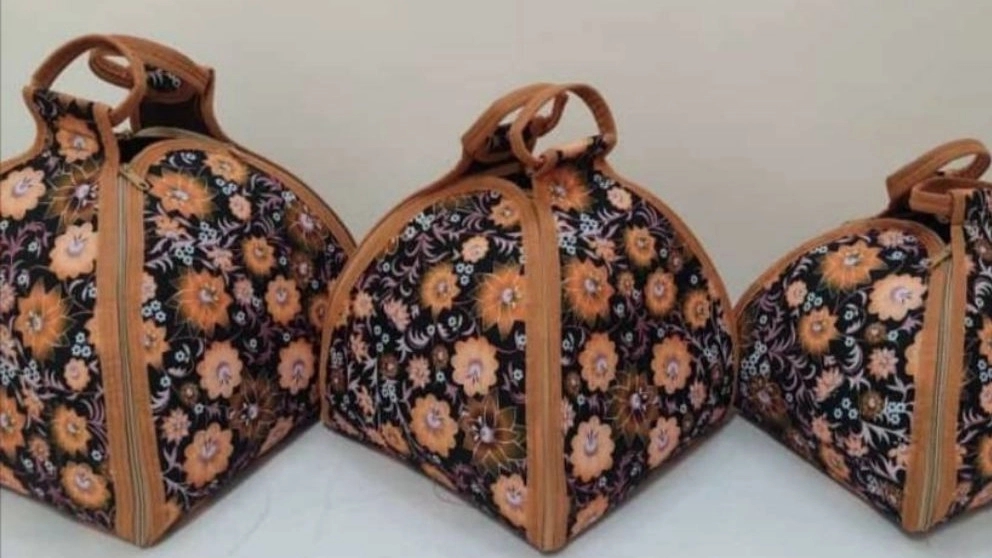
The concept of a bag has been around for thousands of years and has evolved over the years under the influence of fashion and the need to carry personal items. In the continuation of this article from Leather Blog, we will briefly discuss the history of the bag and explain how the design and size of the bag have changed over the years.
Ancient
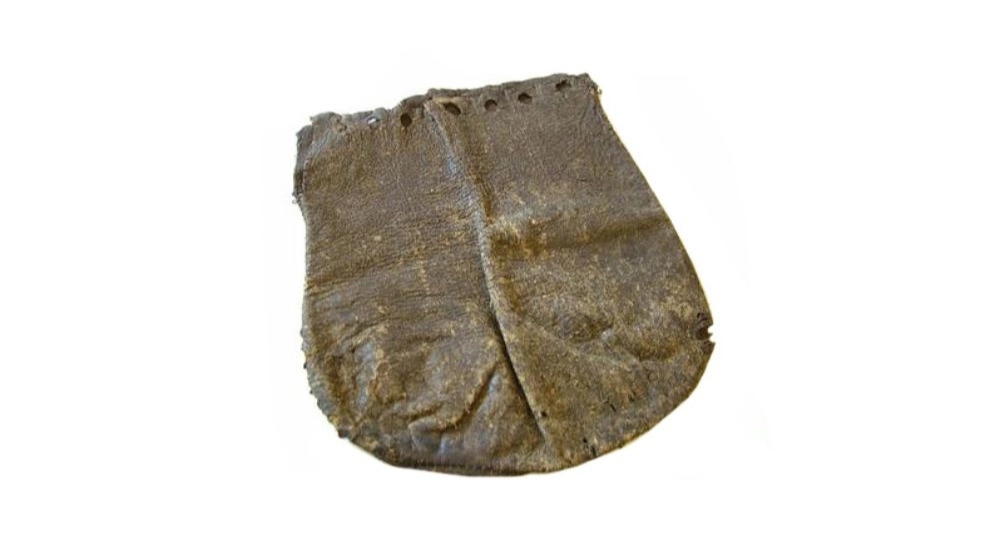
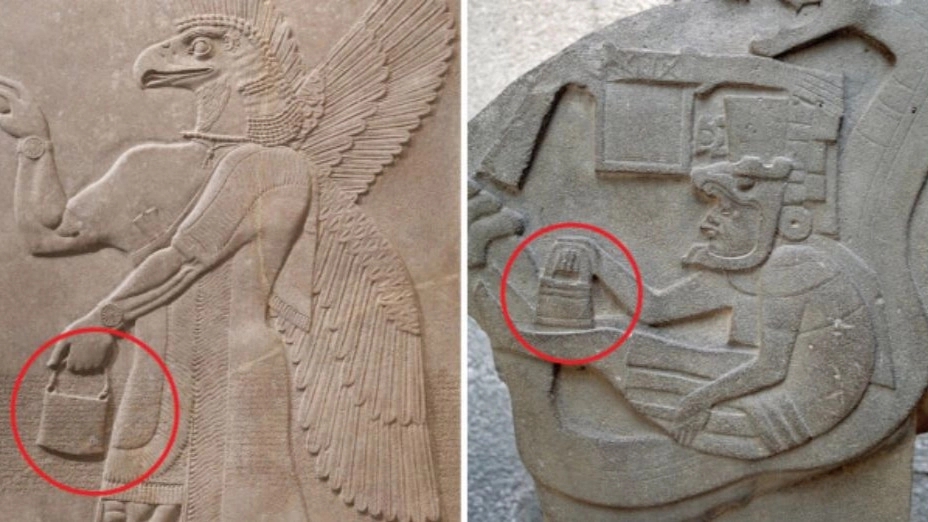
The history of Kiev goes back more than 5000 years. In 1991, a man named Otsi (the oldest natural mummy discovered in Europe) was discovered in the Alpine mountains with a handbag next to him. The material of this ancient bag is made of antelope skin and has been attached to it. Further evidence of the ancient bag can be found in Egyptian pictographs in which several men carry bags around their waists. Other evidences include the period mentioned in the Bible, where Judas Iscariot (Iscariot) is introduced as someone carrying a bag. Among other examples, we can mention the petroglyph of an Assyrian man with a bag in his hand. 👜
Middle Ages
👜 In the early Middle Ages, the use of bags was very common among men and women. The bag in the Middle Ages was made using a circular piece of cloth and a strap was used to close it at the edges. In the Middle Ages, instead of being carried on the shoulder, this bag was tied around the waist and on the clothes. These bags were very small and were probably only used to carry small items such as coins.
👜 In the late Middle Ages, a new style of bags became popular among the aristocracy. These new model bags were made of a triangular metal frame with a leather cover on this metal frame. There was a small opening in the upper part of this model of medieval bags and their lower part was also wider. The initial model of these bags was closed with the help of a strap, and the lid of the models that were made later was secured with the help of a metal clip. Bags in this era (similar to older bags in the Middle Ages) were hung from the waist by a strap or metal ring in the upper part of the bag.
Kyiv during the Industrial Revolution
👜 In the 18th century, at the same time as the discovery of the ancient city of Pompeii in Italy, fashion changed once again. During this period and with this discovery, the interest in designing with a long and narrow style as well as a sleek one increased. As a result, women wore more compact clothes and could no longer hang their bags or purses from under their clothes like in the past; It was during this period that the bag was used again. During this period, women used older models of bags that were narrow and had wrist straps.
👜 With the increase of rail travel in the 19th century, the demand for a model of bag that was more durable and increased to accommodate more items. For this reason, the manufacturers of travel bags produced bags for traveling by train and for women. Samuel Parkinson came up. For his trips, Parkinson had ordered a set of travel bags and suitcases for himself, as well as a bag for his wife. He realized that his wife's bag was too small and not of good quality and durability. For this reason, he ordered to make several models of bags of different sizes for his wife so that she can use a suitable bag according to her needs. He also ordered to use the same quality and durable leather that his travel bag was made of.
Modern and modern bags
👛 Handbags made significant progress in the 1930s. Many different designs and models of today's bags, such as all kinds of handbags and strap bags, were invented in this period. Coco Chanel and Louis Vuitton are among the famous brands that emerged during this period and are still standing today.
👛 During the Second World War, the bag design changed a little. In this period, since metal was highly needed for war tools, plastic and wooden frames were used instead of metal frames. The use of wood and plastic in the production of bags lasted only a few years during this period, and after that they used metal again to produce bags. In the 1970s, another model of bags A small portable bag called a man's bag was used by men. Compared to other models, this model of bags had a more masculine appearance and allowed men to carry more items. Over the past twenty years, with the increasing use of small electronic devices and gadgets (which require an additional bag to carry), the popularity of this small handbag model has increased.