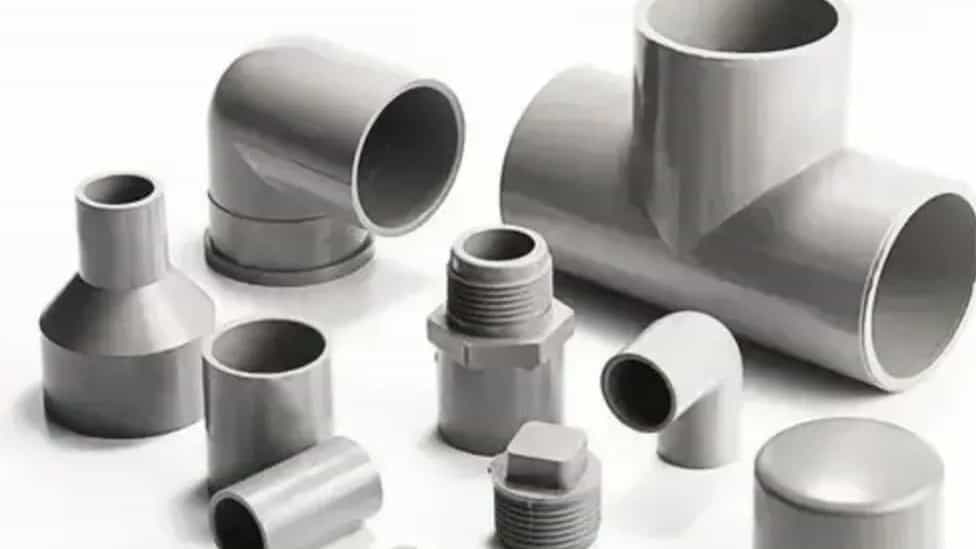

What is Polka Connections (PVC)?
Different types of polyca pipe connections, including PVC, polyethylene and polyca pipes are widely used in industry and domestic use. Polyca or PVC is one of the most widely used connections. At present, the use of various kinds of Plica connections in construction, industry has become a necessity.
☑️ Benefits and Characteristics of Pelica Connections
The economical price of Plica pipe fittings on the one hand and the many advantages of this type of fittings on the other hand, have caused many industrial and production units to use non-metallic Plica fittings instead of metal fittings. Economically, the cost of a conventional metal connection is much higher than a non-metallic connection with the same amount of resistance. The capabilities of Plica connectors in terms of mechanical and technical properties are at a level that adequately meets the environmental and economic needs in today's world. Non-leakage and easy installation are considered two excellent features of Plica fittings.
☑️ The main use of polyca joints
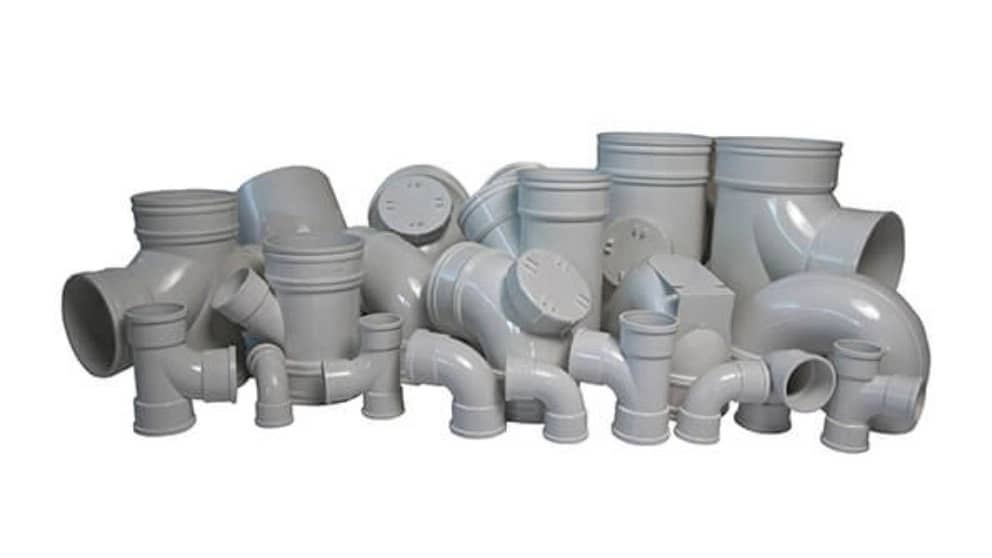
Polica connectors are a type of polymer connectors that are made of plastic and are produced in different sizes and pressures. Gray color UPVC joints have all the properties and characteristics of UPVC materials and are hardly damaged. These fittings have a long life, do not rust and do not rot. For this reason, they are widely used in water systems, underground wiring and sewer lines. Plica pipe connection is one of the most used polymer products after polyethylene connections. The main use of Plica pipes and fittings is urban and industrial wastewater transfer.
☑️ Application of all types of polyca joints
Glue connection: This type of polica connection is one of the most common pipe connections that is connected with PVC glue, which is very practical and is used in most of the plumbing.
Push fit connection: This connection is made using elbows and caps. UPVC pipes have a push-fit or O-ring connection system that causes enough penetration, which has increased the speed and quality of sealing polyca pipes compared to old pipes.
☑️ Types of Polica connections
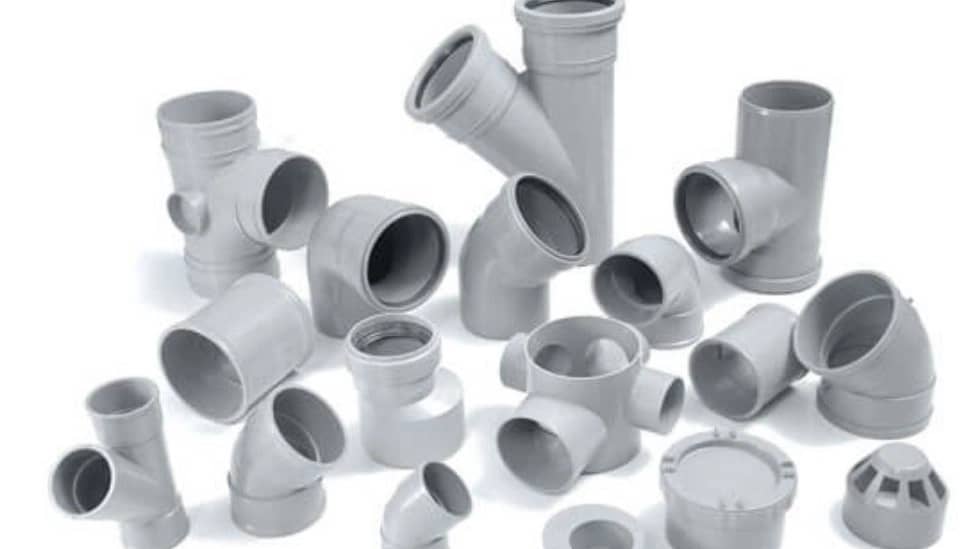
Knee, three-way, three-way bend, conversion, siphon, cap, bushing, intersection, inspection valve, muffle, flange, cap are considered to be different types of Plica fittings, which are widely used in various applications.
By far, elbows and tees are used more in piping, and after them, conversions and bushings are considered to be the most widely used polica connections.
☑️ Types of Polyka pipes and fittings
Plica connections are technically classified into three categories: ordinary plica or weak pressure plica, semi-strong plica and high pressure plica. Each of the types of polyca joints have specific uses. Normal or low pressure polyca joints are used in the ventilation system of the building and to protect the electric cable. Buying polica pipe is an excellent choice and semi-strong polica fittings are used for the sewage system of the building. High pressure polyca pipe connection withstands more working pressure and works best when the working pressure or flowing fluids are very high. During high pressure, the percentage of positive efficiency of the high pressure polyca tube is not reduced. Therefore, it is mostly used for the sewage system and in the factory industry because of its high pressure tolerance.
☑️ Applications of Pelica connections
Among the various applications of polyplastic joints, the following can be listed:
Rainwater transfer system
Urban water supply system
Municipal sewage system
Building sewage system
Transmission of electricity and telecommunication cables
Building ventilation system
Agricultural irrigation system
☑️ Unique properties of Pelica and its connections
The first property of polyca bonding is its resistance to a wide range of chemicals as well as heat resistance up to 140 degrees Fahrenheit. In terms of safety, the lightness of the polica pipe is considered to be the most important feature of other polica pipe connection products. PVCU joints are made of dry PVC materials and can withstand pressure without breaking. Flexibility and impact resistance and low friction coefficient are other characteristics of Plica pipes and fittings. Plica has a lower thermal conductivity than older types. This makes polyca joints ideal for many thermal insulation projects. If this article did not help you in knowing the Plica tube.
☑️ Comparison of Polyica Connections to Other Connections
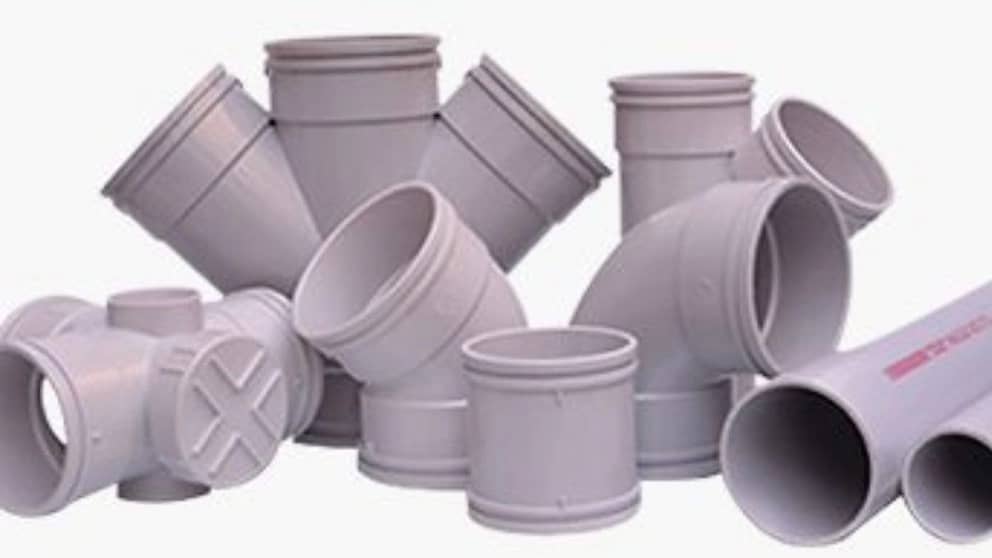
The popular Polyca connections are highly resistant to oil, alcohol and oil. Therefore, Plica connection is used in environments such as houses that have this type of material in abundance. The high strength of Plica pipes and connections, despite being light, is a unique feature that distinguishes Plica from other polymer pipes. The resistance of these connections to breakage is admirable. Plica has a higher resistance to impact and pressure than pipes made of cement, clay and metal. The coefficient of friction of the inner wall of the connections is very low, and this increases the flow resistance. One of the extraordinary features of Plica fittings is its lack of impact on water quality.
☑️ Polyka connections efficiency landscape
Plica pipe and its connections with the effect of reducing problems and speeding up works, in optimizing various systems of industry and household facilities, sewage, electricity and Incompetence has many effects. The cost-effectiveness, safety and convenience of using the Plica connection will reduce your costs and ensure the quality of installations and systems.