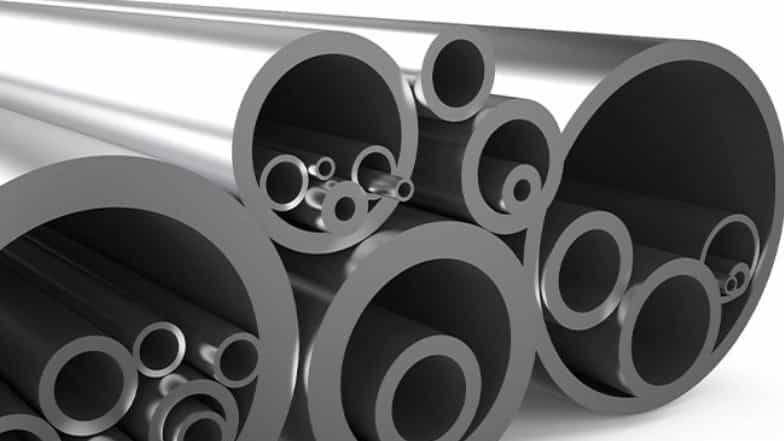

What is a pipe?
A pipe is a tool for transferring the flow of water, gas and other liquids, which looks like a hollow cylinder. The pipe is used for the regular transfer of fluid flow. Piping is used in refinery industries, power plants, water and sewage transmission, cooling and heating systems and facilities, and such things. Pipes are generally determined by external diameter, pipe wall thickness and index. To measure the inner diameter of the pipe, you must first obtain the outer diameter of the pipe and its thickness.
Pipes are produced from different materials and types. Metal, alloy, ceramic, fiberglass, concrete and plastic are the main types of pipes. Choosing the type and material of the pipe for consumers should be done according to the desired project. The choice of pipe material will depend on various factors, including pressure and temperature design, costs and other things.
☑️ What is the pipe category?
"Pipe grade" is a common term for pipe thickness. This parameter, in principle, is equivalent to the standard pipe thickness index (pipe weight index) and in other words, the same value as the pipe's skejol.
What are the types of pipes?
The pipes have many characteristics, including strength, useful life, pressure tolerance and other such things, according to their constituent materials.
☑️ Plastic pipes
Plastic pipes, including green pipes and matching parts, have many advantages:
High strength
Very long life
No decay
High pressure resistance
Easy to install and hygienic
But these pipes, regardless of their advantages, also have disadvantages, low resistance to heat, as well as low flexibility and bending are among the disadvantages of plastic pipes.
☑️ Gas pipes
Gas pipes are in two types, surface and underwork, which differ in terms of material. The coated gas pipe can be recognized by its appearance. Usually, in one of the two ends of the coated gas pipe, the name of the manufacturer and the specifications of the pipe (size and thickness) are recorded in white color. Pipe with API sheet is used for built-in gas pipe. The appearance characteristic of this pipe is such that the specifications of the pipe and the name of the manufacturer are engraved on it in English, in white or yellow color and with a dotted design.
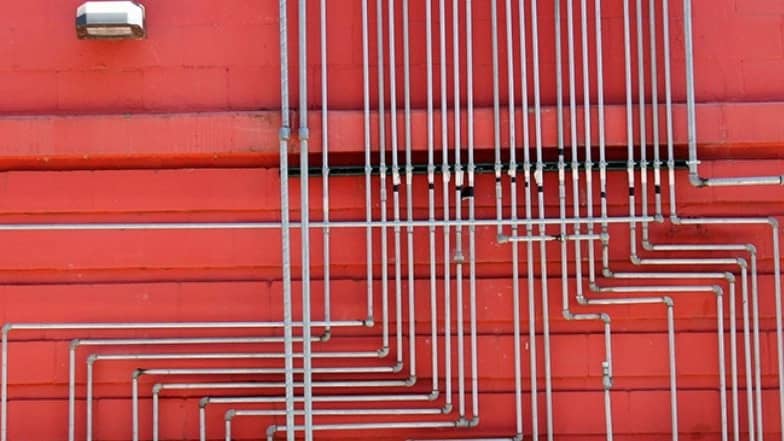
☑️ Applications of gas pipeline
⚫️ can be used in oil refineries
⚫️petrochemical plants
⚫️ Types of industrial sheds
⚫️small and large factories for gas transfer
☑️ Galvanized pipe
Galvanized pipes are one of the most widely used pipes in the industry, which are made of soft steel and plated with zinc. This type of pipe has many different applications due to its resistance to corrosion, rust and acids.
Galvanized pipes are used in sanitary ware, water and gas transmission in greenhouses, air conditioning and sewage drainage. These pipes are generally divided into two categories: galvanized iron pipe and galvanized steel pipe.
Galvanized iron pipes can be distinguished by their gray and dark colors, which are divided into two types, light and medium, and they are made of white rolled iron.
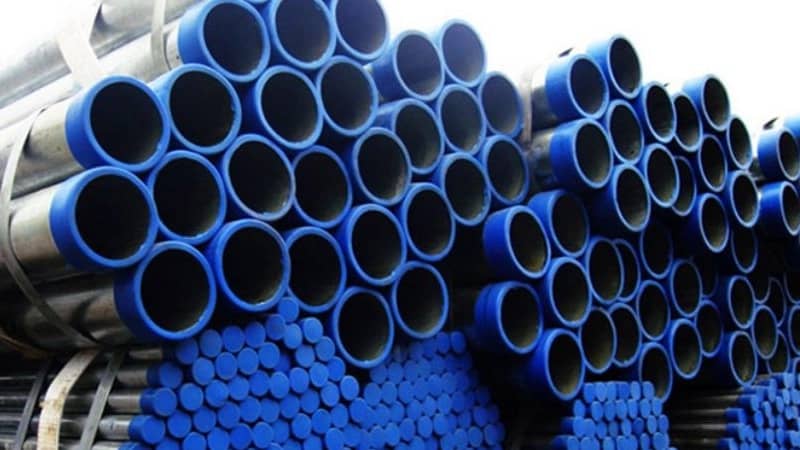
☑️ Galvanized pipe applications
⚫️water supply pipes in construction
Irrigation system
⚫️ Construction of a treatment plant
⚫️Ventilation systems
☑️ Furnished pipe
The furniture pipe or light pipe, which is also known as "oil pipe", is produced from oil sheet (cold rolled sheet). This pipe is one of the most widely used products in the pipe and profile market, which is widely used in the automotive, furniture, home appliance, and bicycle industries due to its properties such as resistance, weldability, formability, and plating ability.
☑️ Furniture Tube Applications
⚫️ Can be used in all kinds of kitchen appliances
⚫️aircraft industry
⚫️Car industry
⚫️Parts of parts that are exposed to corrosion and moisture.
⚫️Container construction
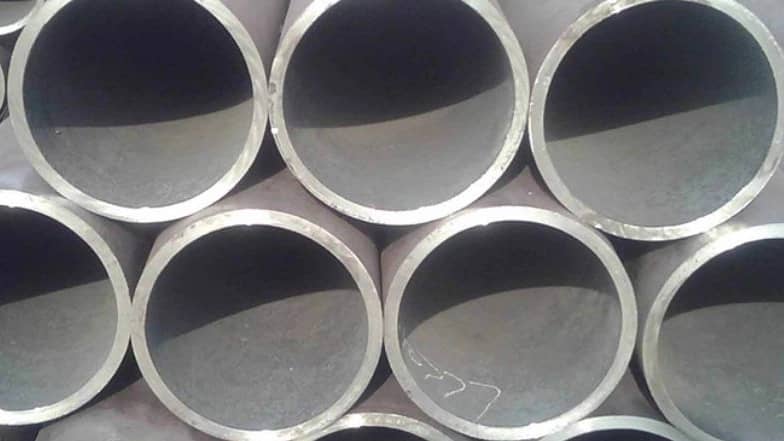
☑️ The most important use of pipes in industry and building
The pipes have various applications according to the different materials they have. Among the most important applications of pipes in industry and construction, the following can be mentioned:
Transfer of liquid materials: transfer of sanitary items such as drinking water from one place to another, the best pipes used for this purpose are metal and plastic pipes.
Transfer of chemicals and wastes: Another application of pipes is the transfer of chemicals or city and factory wastes, and the best type of pipes for this use are steel and polyethylene pipes.
Transfer of gas or gaseous materials: Steel pipes are used to transfer gas from refineries and petrochemical companies. In this section, the bearing pressure of the pipe is very important, and the pipe used must be made of special steel alloys with specific compositions.
Steel pipes have advantages that even with the introduction of plastic and polymer pipes and their widespread use, they still have a special and unique position. High tensile and compressive strength, high impermeability, high production circulation with various diameters and thicknesses, fire resistance, high durability of connections and weldings, and high temperature tolerance are some of these features. Usually, these pipes are made of ST37, ST33 and ASTM A53 and for water according to the AWWA-C200 standard.