
One of the main indicators that determine the value of a building is its shape and plumbing. The flow of water inside the building is divided into two parts, cold and hot, so that the architect can determine the route of the cold and hot water piping branches based on the type of building and the predetermined map. If we want to compare a building to a human being, its cold and hot plumbing are actually blood vessels that deliver water to the building's residents. Therefore, the process of piping hot and cold water is a very important matter and it is better to be done by experts in this field. If we want to check cold and hot water very simply, we must say that cold plumbing is actually the city water flow that circulates inside the building, and hot building plumbing is the city water flow that is heated by a water heater or package. The building has increased. As we said, the way of hot and cold piping is considered a very important matter in the field of construction, which has a direct relationship with the value of the building; That's why experts in this field should do hot and cold piping by taking into account the tips and standards of the regional water and sewage organization.
☑️ Installation of the valve
One of the most common hot and cold piping tips is to install a valve at the beginning of the sanitary water branches of the building. In the past, installing a valve was not considered necessary; But since 2015 and with changes in the circular published by the country's water and sewage organization, every residential or commercial house must have at least one valve so that people can stop the flow of water from inside the building if needed. The faucet actually connects the city water to the cold plumbing of the building and usually according to the new standards of construction, the faucet is located under the bathroom sink. The first branch made from it is also related to the faucets inside the bathroom. It is good to know that the faucet in the houses is connected to a one-way valve; Therefore, the flow of water from this part is only towards the cold piping of the building.
☑️ The shortest route is the best strategy
The branches related to hot and cold piping inside the building should be as short as possible. Certainly, when the flow of water enters the building, different branches are created to access all parts of the house; Therefore, experts in this field believe that a standard and correct piping has short paths and should not have extra and inefficient twists and turns. This type of strategy in the hot and cold piping of buildings makes the pipes more resistant to water pressure and if they have problems such as leakage or breakage, they can be repaired more easily and quickly.
A standard and correct piping has short routes and should not have unnecessary and inefficient twists and turns.
☑️ Avoid the pipes of the pipes
Cold and hot plumbing should be done in such a way that the pipes are as close as possible to the walls, building blades and of course the roof. Avoid laying pipes on the floor as much as possible; Because the plumbing of the building needs service after some time, and the remoteness of the pipes can make the repair process difficult. Also, when the pipes are installed near the surface of the walls, floor and roof of the building, if they are rotten or broken, the effects of water leakage will be visible quickly and the damaged area can be found in a short time.
☑️ Parallel Pipeline
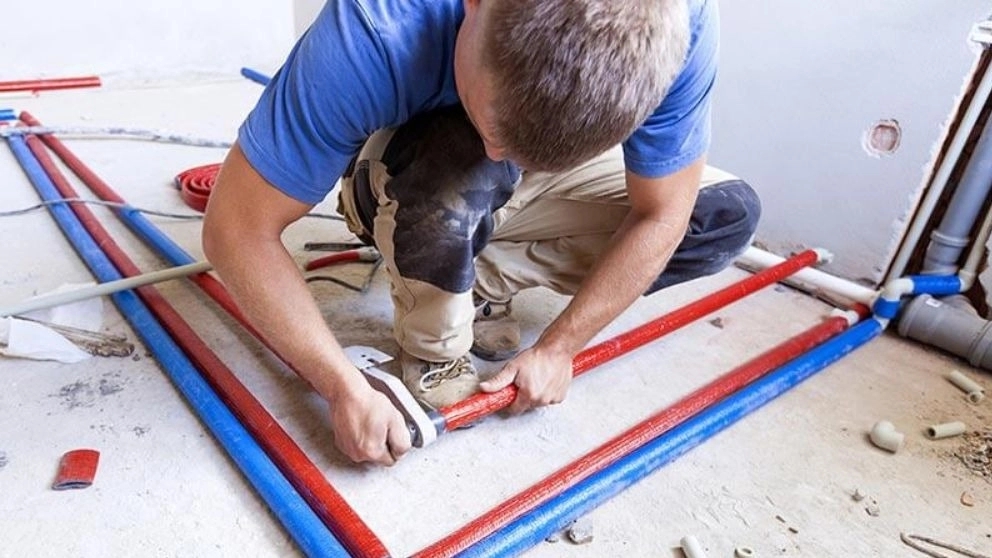
As much as possible, try to place the cold and hot water pipes parallel; This makes their inspection and troubleshooting process faster. Of course, in the parallel installation of hot and cold water pipelines, you must observe the standard distance between the two pipes. According to the standards set for residential and office buildings, the distance between hot and cold water pipes in a piping line is at least 5 cm and at most 10 cm.
☑️ Be careful about the sewage pipe
Another issue that you should pay attention to in hot and cold plumbing of buildings is the route of the sewer pipe. According to the latest standards set by the country's water and sewerage organization, the distance between the sanitary water piping of the building and the sewage pipe should be at least half a meter or 50 centimeters; Therefore, as much as possible, try to keep the hot and cold plumbing of the building away from the sewer pipe. If the route of the sewer pipes is horizontal, the sanitary water pipe of the building should be placed above it. In this case, there is no need to consider the distance; But the way of arranging the pipe must be checked by the inspector.
☑️ water pipe divisions should not cross anywhere
According to the standards set by the country's water and sewerage organization, the cold and hot piping of the building should not come from places such as chimneys, cooler channels, Transformer room, switchboard room and elevator shaft. Therefore, before proceeding with the plumbing of the building, it is better to design the map of cold and hot water branches in such a way that it does not pass through the said places. Also, the sanitary water pipeline of the building should not pass through the openings of the building such as doors and windows. The cold and hot water branches of the building should be in such a way that there is no disturbance in the opening and closing of doors and windows.
☑️ Consider the height of the pipes from the floor of the house
In the process of hot and cold piping of the building, sometimes it is necessary to increase the height of the pipes from the floor of the building and bring them under the roof; In these cases, we must first pay attention to the type of roof and the material used in its construction. If we are going to pass the cold and hot water pipe branches of the building under the roof, we must consider the maximum height during the plumbing and installation of horizontal pipes. This becomes very important when the ceiling is false, and it is better that the distance between the pipe and the false ceiling is at least 7 cm.
☑️ Use PERT-Al-PERT Pipes
The hot and cold water pipes used in the branches inside the houses must be PERT-AL-PERT type. These types of pipes are resistant to the medium pressure and heat of hot and cold piping in buildings and are available in the market in three-layer and five-layer types. PERT-AL-PERT water pipes prevent the penetration of oxygen and ultraviolet rays; Therefore, you can use these pipes on the external surface of the walls and roof of the building. The basic material of PERT-AL-PERT pipes is polyethylene; Therefore, these pipes are more hygienic than metal pipes and prevent the formation of deposits. These pipes are easily bent by a special iron and have a very small longitudinal expansion coefficient, which has made PERT-AL-PERT pipes approved by the country's water and sewerage organization. PERT-AL-PERT pipes used in the branches of buildings usually have a diameter of 5 mm; However, thicker pipes may be used in areas such as the floors of houses. In some cases, the relevant inspector may not consider this type of pipe suitable; Therefore, before implementing the building's hot and cold piping, be sure to check the type of pipe with the inspector of the monitoring device. In addition to having technical standards, these pipes must also have the necessary approvals in terms of health in order to be allowed to use them in the building. Among other pipes allowed in hot and cold piping of the building, we can mention copper pipes, mesh polyethylene pipes and PE-RT polyethylene pipes.
☑️ Pay attention to the type of sub -connections
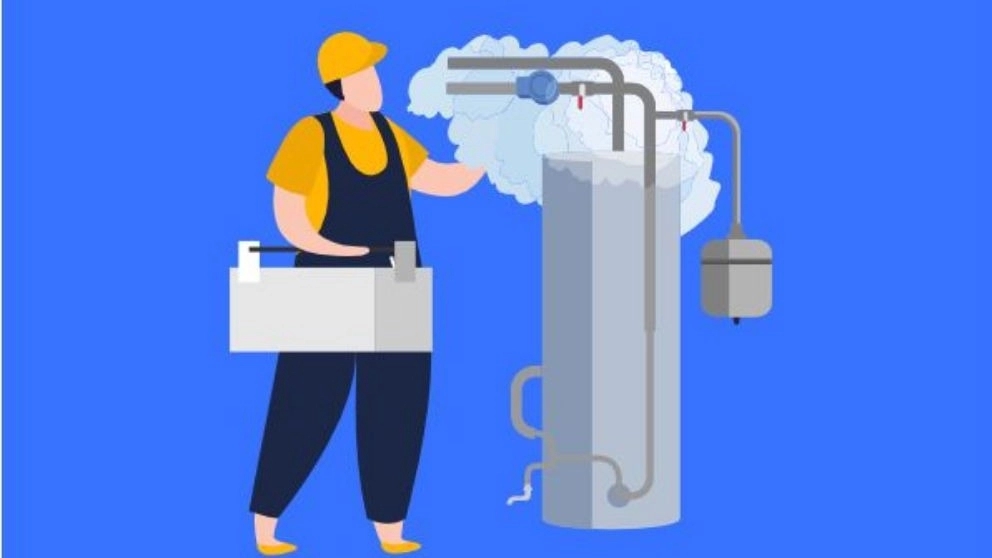
Subsidiary connections in cold and hot plumbing of the building include connecting pipes to water storage tanks, pressure relief valves, water purification devices, water heaters and similar things. According to the latest national building regulations, this type of connection should be made using a screw nut so that it is possible to open and separate the pipe.
☑️ Consider the correct milk and hot faucet
In the final connections of the building's plumbing, pay attention to the correct direction of the cold and hot water faucet. The cold water tap should be on the right side of the user and the hot water tap should be on the left side. It is also better to use colored elements to show the type of taps. As a standard, it is accepted that blue color represents cold water and warm water is represented by red color.
☑️ Relieve Health Principles
During the cold and hot piping process of the building, at times when work needs to be stopped, be sure to use copper or steel caps to cover the inlet and outlet of the pipes so that the inside of the pipes stay clean According to the Ministry of Health's circular, the use of wooden, paper or fabric caps and similar materials as temporary caps in the hot and cold piping process of the building is not allowed. Also, after finishing the piping, you should cover the outlet of the pipes with caps and remove the caps after the initial ventilation. Always make sure the inside of the pipes are clean.