
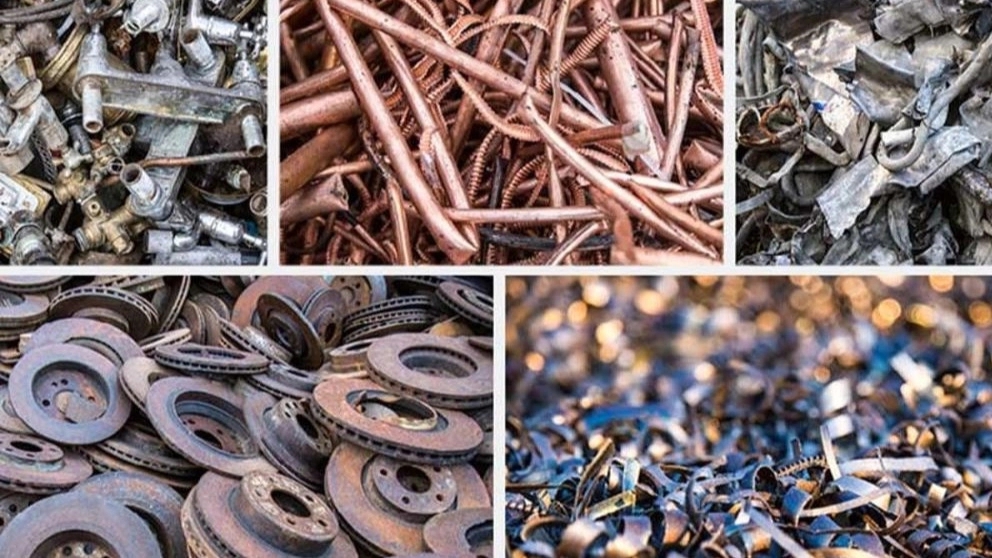
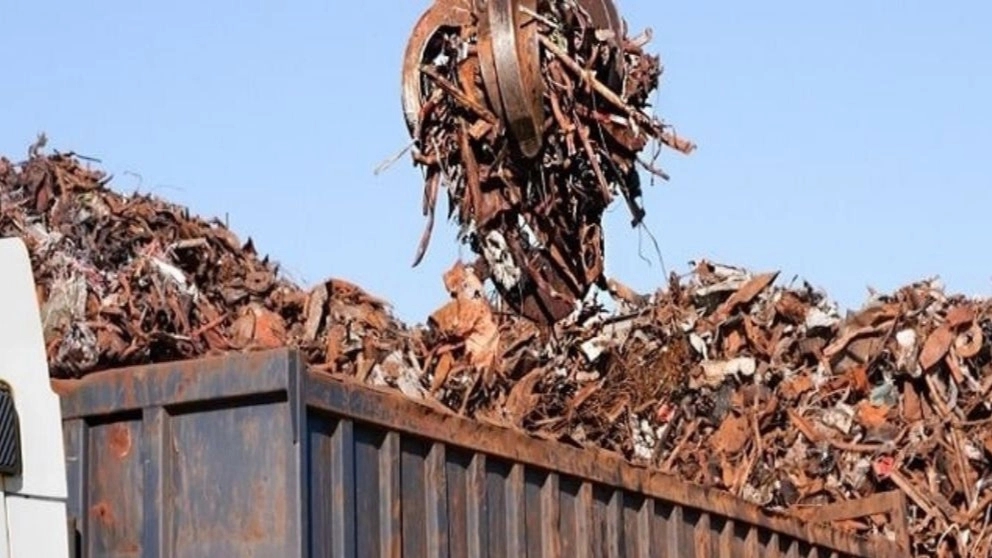


Iron and aluminum are among the most widely used metals in the industry, which are used in the production of various products. After the products containing iron and aluminum can no longer be used, they become waste.
The difference between iron and aluminum waste is great, but it is possible to distinguish iron waste from aluminum from their chemical structure, weight and application. Both are recyclable and can be used to produce new products after recycling.
What is the difference between iron and aluminum waste?
1. The difference between iron and aluminum waste in chemical structure
Iron is a heavy metal that is usually found as iron ore. While, aluminum is a light metal that is extracted from bauxite ore.
2. Distinguishing iron waste from aluminum by their weight. Iron weighs more than aluminum. In fact, aluminum is much lighter than iron. For this reason, they usually use aluminum metal to produce lightweight aluminum coatings such as foil.
3. Strength
Iron has high strength. In particular, when it is combined with other metals to form an alloy such as steel. The strength of aluminum is much lower than iron. Aluminum is usually used to make lighter products. To distinguish iron waste from aluminum, you can pay attention to its strength.
4. Corrosion resistance Another difference between iron and aluminum wastes is their reactivity. Aluminum is more reactive than iron, but corrodes less when exposed to oxygen or moisture. In fact, when aluminum covers another metal and is exposed to oxygen, it forms an aluminum oxide layer that prevents the underlying layers from being corroded.
5. The difference between iron and aluminum waste in melting point
Iron has a higher melting point compared to aluminum. The lower melting point of aluminum helps to easily recycle this metal. In contrast, iron requires more heat to melt. For this reason, a different furnace must be used to melt this metal. One of the easiest ways to detect iron waste from aluminum is to check the melting point of the desired metal.
6. Conductivity
Iron has low electrical conductivity, while aluminum conducts more. For this reason, they usually use aluminum to produce electronic products.
7. Recycling
Both metal scraps are highly recyclable. Due to its lower melting point, aluminum requires less energy for recycling.
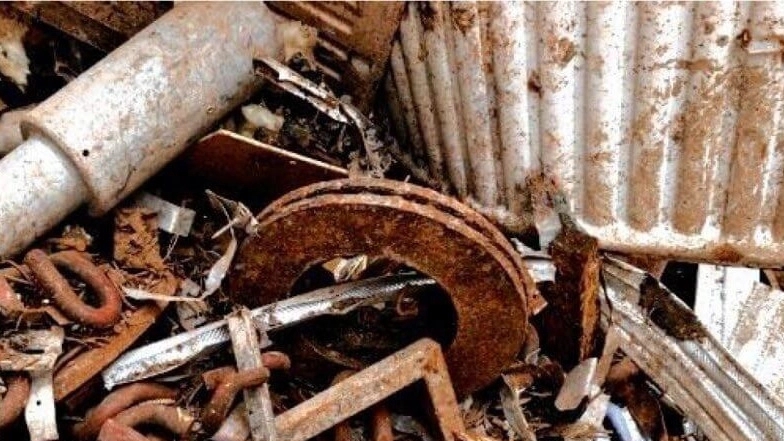
Difference of iron and aluminum waste in application
Application of aluminum waste
This waste is used in the production of aluminum cans for packing all kinds of desserts and soft drinks. Many of the doors and windows of the building are made using aluminum. Also, another application of this material is related to making car tires and wheels.
Use of iron waste
Iron waste in the production of various alloys such as steel used Placed. Usually these wastes are recycled and used in the production cycle of various products. Among the uses of iron, we can mention the production of car accessories and construction rebar. Many times, iron scraps of old cars are melted down and used to produce new cars.
Conclusion
Iron and aluminum scraps are very different from each other, but both of them play a prominent role in the industry. Distinguishing iron waste from aluminum is done from the point of view of conductivity, weight and chemical formula, and each of them is used in different industries.