



Silica
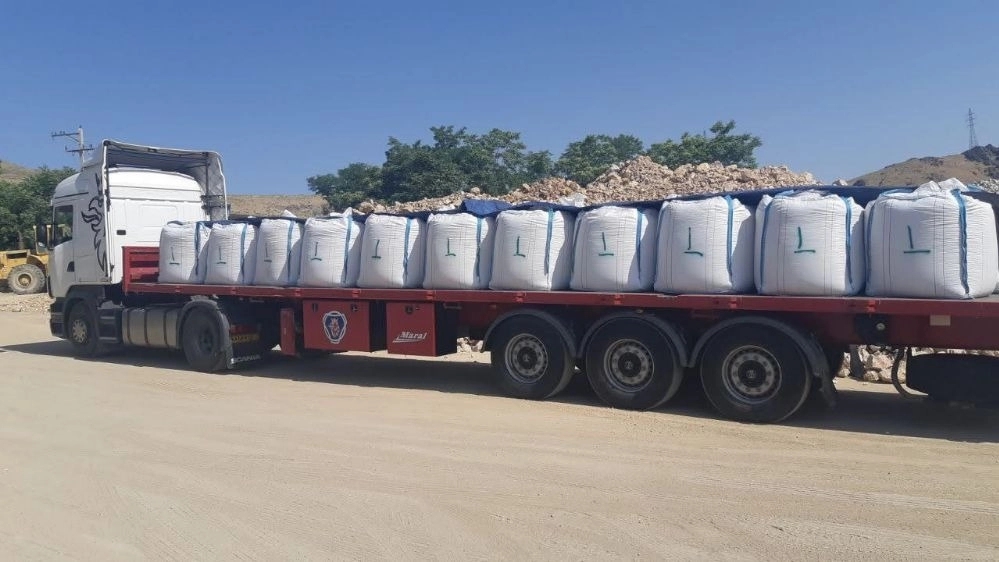
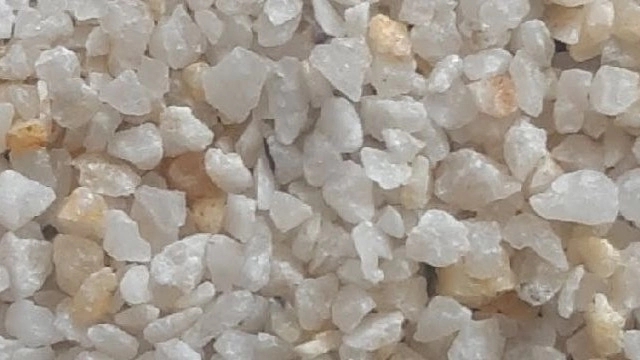
Silica (Silicon Dioxide) is known as the second most abundant element in the earth's crust. Silicon oxide (SiO2) or silica is a chemical compound that exists in pure form or as a combination in silicate minerals. Silica is a non-metallic, hard and colorless to white or dark gray mineral. Silica exists in a variety of crystalline and amorphous forms. The reason for this variation is due to the flexibility of the connection between the SiO4 tetrahedrals. Silica is the main component of sandstone and siliceous sand, quartz and quartzite, crystal, triply and novacolite, artificial silica and chemical silicon, clay minerals, granite, flint and diatomite. The name Silicon is derived from the Latin word (Silicis) which means hard stone, fire stone or flint. Silica is a mineral material that is very resistant to heat and chemical processes, and these are the properties that have made it industrially interesting for humans. The first industrial applications of crystalline silica were probably related to metallurgical activities and glass making in several thousand years BC and this issue has continued throughout history.
✔️ Application of different qualities of silica
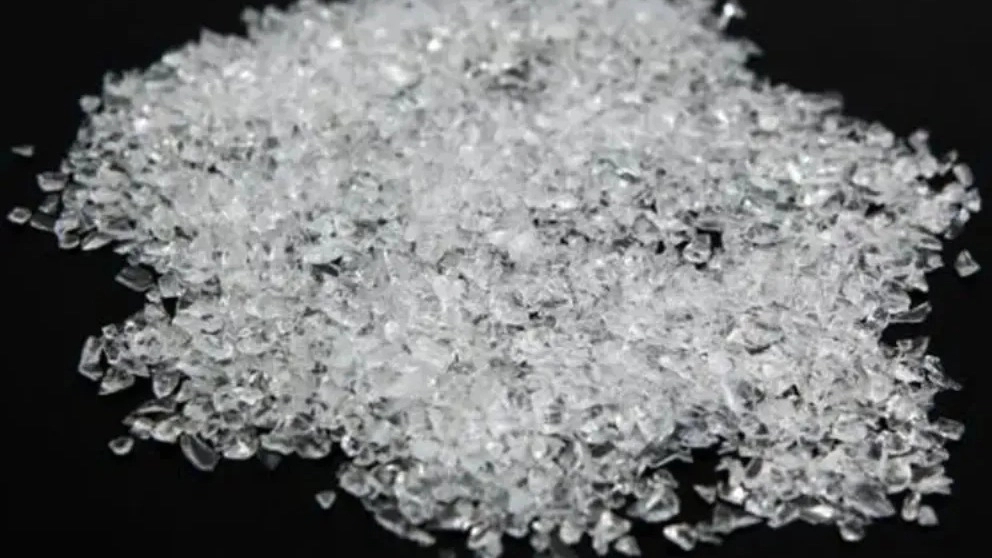
In general, silica is one of the main ingredients of many ceramics and glasses. Pure silica (quartz) is considered as a model system in studies related to ceramics and glasses. This material also has many uses in technical applications. In fact, these applications are diverse from piezoelectric crystals to optical fibers transmitting femtosecond laser wavelengths. Increasing awareness in the field of these materials is achieved by using improved experimental tools such as new neutron diffraction devices and computer and statistical simulation methods.
✔️ Silica glass
Silica is the main element in all types of glass. The main glass products include containers (glass bottles and crystal cups), flat glass (windows, mirrors, vehicle glass, etc.), lighting glass (light bulbs, fluorescent tubes, etc.), tableware (crystal, drinking glasses, etc.), TV screens, decorative glass, fiberglass, and optical glass.
✔️ Casting silica
Silica has a high melting point of about 1610 degrees Celsius. Casting of metal parts is done by pouring molten metal into molds made of silica sand.
✔️ Silicon tile and ceramic
Fine-grained silica is a component of most clay bodies and the main component of ceramic glaze. Common everyday products include tableware, sanitary ware, ornaments and wall and tiles.
Silica filtration and purification
- Silica sand is used in different granulations in order to purify and refine solid materials from sewage and water purification. To purify the water of swimming pools, home jacuzzis, different granulations of premium silica are usually used.
Silica in special construction applications
- The construction industry is based on silica and there are specialized applications such as in the production of silica concrete blocks, floor and ceiling tiles, sealant compounds, putty and resin injection systems.
✔️ Silica in sports places
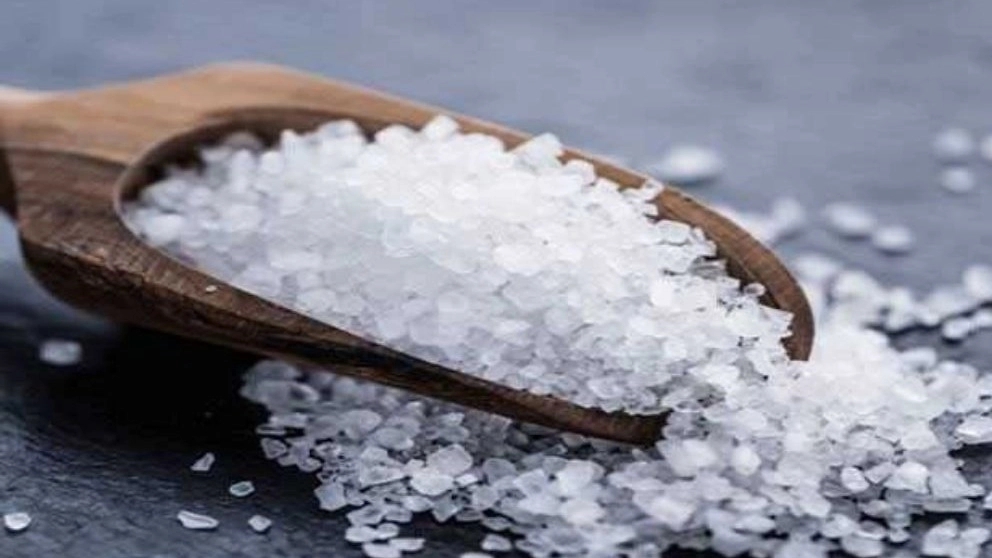
Silica sand is used for the floors of horse riding clubs, in the production of artificial grass, golf and football fields, and in parks and as sand play.
Silica aquarium and terrarium
The aquarium bed is an important part of the aquarium components because many fish dig the bed and soil of the aquarium floor to search for food. Plants also need a safe place and must absorb food through their roots in the soil. Due to digging and placement of fish in contact with the soil of the aquarium bed, it is necessary that the bed does not have sharp corners. Silica sand is a suitable substrate for aquariums and terrariums. This substrate is excellent for plant care and plant growth. Also, the special silica produced for the aquarium is neutral and does not release the level of water hardness and undesirable silicates in the water.
✔️ Other uses of silica
- Silica has many uses, including in the production of chemicals and metals, filters in some industries, production of plastics, artificial stones, production of refractory materials and additives in agricultural and garden products.
- Usage of premium grade silica: in glass making, glazing, chemical industry, ferro-silica, glass wool, aquarium sand, artificial stone production
- Using grade silica: in foundry sand, sandblast sand, refractory, filter sand and filtration
- Usage of second grade silica: in sand-lime brick and brick-based, cement and light concrete production factories, etc.
Application of amorphous silica:
It is a type of silica whose structure breaks and becomes amorphous due to high heat, and unlike the conventional type of silica crystal, it is brittle and soft. They are used in various industries such as the production of silica gel, an additive to increase the resistance of concrete, the manufacture of optical fiber, the manufacture of silicones and silicates.
Silica sand
✔️ Silica powder
Premium crystalline silica powder is used in toothpaste and tooth polishing compounds, industrial cleaners, jewelry and metal polishing compounds. It has found a special place in the automotive industry, which uses it in the form of polishing compounds and putty in lacquer finishes. Most of the production of silica sand is used in the abrasive industry, but some is also used in the plastic and resin sectors, in molded epoxy compounds, where they provide greater strength and bending resistance. Silica powder is an important additive in plastics, sealants, and abrasive production processes. Fine-grained silica is much cheaper than the organic resins used in plastics. In electrical cable sheaths and certain other applications where insulating properties are critical, the dielectric properties of quartz make microcrystalline silica a desirable filler. Silica acts as a white base for plastics, rubbers, and many sealants and adhesives. This material is opaque and makes it possible to accept pigments more effectively and provides a suitable level of color saturation. The use of fine-grained silica improves the strength of the plastic formulation because it increases the stiffness of the final plastic. Powdered silica is added as a non-reinforcing filler in rubber applications. The use of crystalline silica in the production of rubber printing rollers increases their wear resistance. Silica is widely used in grouts, sealants and epoxy cement. So that up to 60% of epoxy compounds are formed from this material.
راههای ارتباطی: