
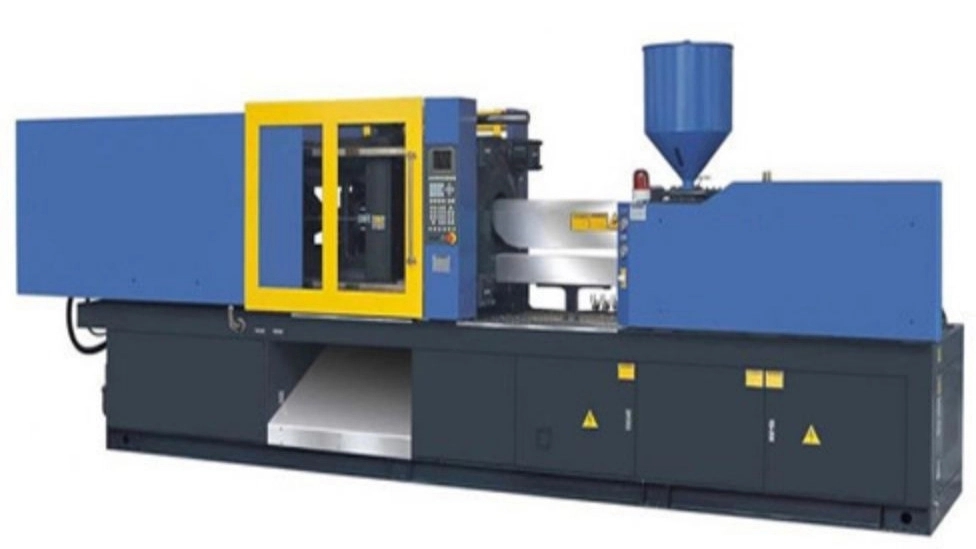
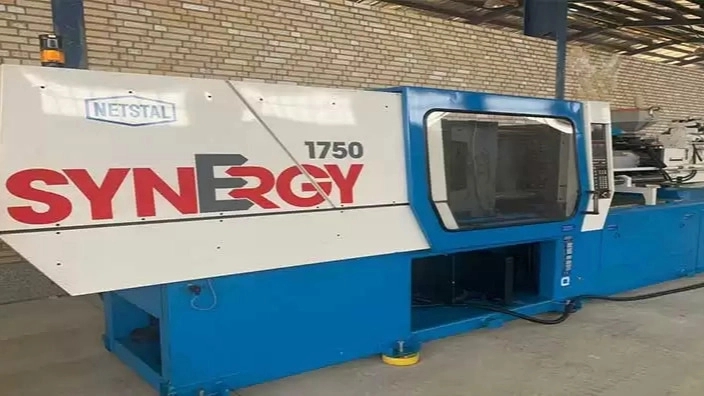


Plastic injection (Injection Molding) is a special mass production process for plastic products, in which to produce the desired part or product, plastic is first injected into a steel mold in molten or paste form. After cooling, the plastic injected into the mold is molded according to the shape of the mold cavity, and as a result, the desired part is made. Many of the plastic parts that we deal with in our daily life, such as household appliances, car parts, medical equipment and electrical appliances, are produced by plastic injection. Complex designs are widely used in various industries. This method is considered one of the most economical and simple methods of making and producing high-volume plastic parts, and in most cases, the produced parts do not need any secondary operations such as painting and polishing. Today, all the production steps of a part are done by plastic injection method, using a plastic injection machine and in a fully automatic manner.
Plastic Injection Date
The origins of plastic injection date back to the late 19th century, when melting plastic materials and molding them were first used as a technique to produce plastic parts. Over time, due to the development of polymer materials, machinery and automation, this process has undergone extensive changes and has become one of the most important industrial production methods in the modern world. Today, plastic injection plays a key role in the production of consumer goods, auto parts, electronic devices, medical equipment, household appliances, etc.
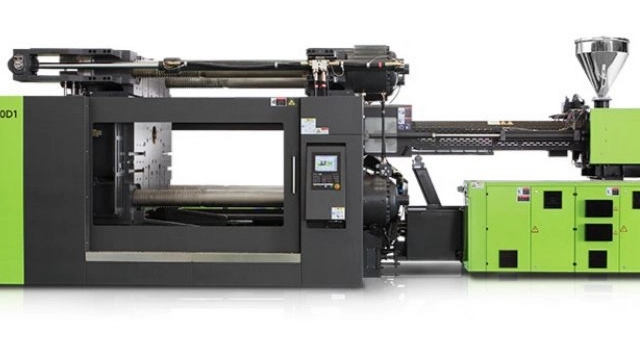
Plastic Injection Freight
The process of plastic injection consists of several different steps that are performed one after the other in a repeating cycle so that in each cycle or production cycle, the same plastic parts are produced with the same quality. The various stages of this process are performed using a plastic injection machine and are semi-automatic or fully automatic. The plastic injection machine in its simplest form has a metal funnel that directs the plastic material to a hot steel cylinder. Inside the cylinder, the plastic material melts and a special mechanism consisting of a screw and a one-way valve injects the molten plastic into the cavity of the mold. also reaches, it is injected into the cavity of the mold. Plastic materials start to cool and freeze as soon as they enter the mold, and after a period of time that can last from a few seconds to a few minutes, they take the shape of the mold. The cooling time of the part inside the mold depends on factors such as thickness, geometric shape, material and injection temperature of the part, as well as the type of mold design. Mold cooling plays an important role in the production rate and quality of the final part and is managed by passing cold water through channels built into the mold.
When the plastic is sufficiently cooled and solidified, the mold is opened and the pins or spring plates Produced parts are thrown out of the mold. Then the mold is closed so that all the mentioned steps are repeated again or another production cycle is done.
During the plastic injection process, various parameters and variables must be carefully controlled, including temperature, pressure and injection speed which control Optimizing these variables is necessary for stable production and quality parts.