
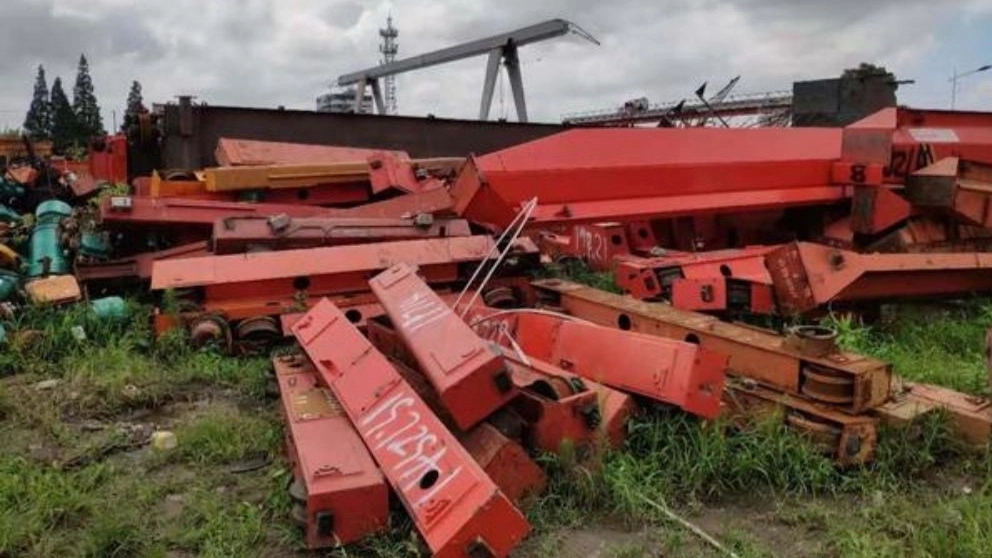
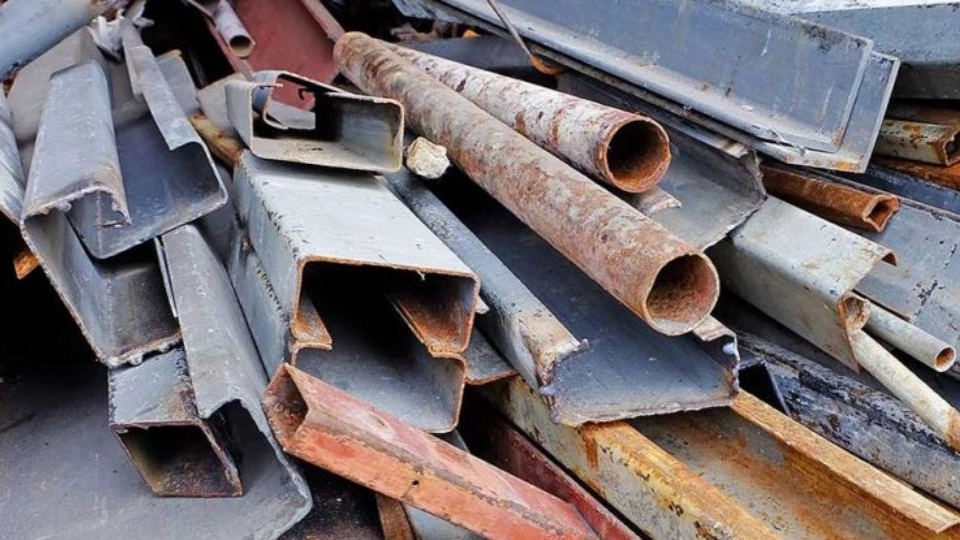
Second-hand iron and metals, which is also known as scrap iron, includes recycled metals that are left over from the production and consumption of products such as vehicle parts, construction materials and additional materials of production lines. Unlike scrap, scrap has a monetary value, especially recycled metals, and non-metallic materials are also recovered for recycling.
Metals can be recycled over and over again without changing their properties. According to the American Iron and Steel Institute (AISI), steel is the most recycled material on the planet. Other highly recycled metals include aluminum, copper, silver, brass, and gold.
Why do we recycle second -hand metals?
Metals are valuable materials that can be recycled again and again without losing their properties. Scrap metal has value. This causes people to collect it and send it to recycling operations for sale.
In addition to a financial incentive, there is also an environmental imperative. Metal recycling enables us to preserve our natural resources while requiring less energy to produce new products using raw materials. Recycling leads to less emission of carbon dioxide and other harmful gases. Most importantly, it saves money and allows manufacturing businesses to reduce their production costs. Recycling also creates jobs.
One of the materials that are made with this type of steel is second-hand sheds. This helps to recycle metals as well as reuse second-hand shed iron beams, which is both economical and helps the environment.
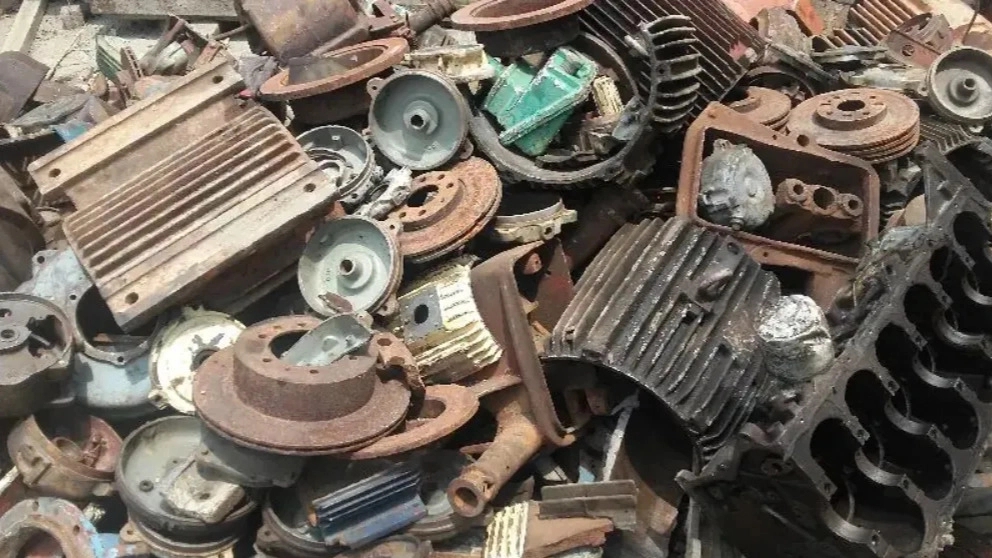
♻️ About second -hand metal and iron recycling
Although almost any type of metal can be recycled again and again without losing its properties, currently only 30% of metal is recycled. Below are some more facts:
Approximately 40% of steel production worldwide is made using recycled steel.
About 42% of crude steel in the United States is made from recycled materials. Recycled Made.
In the United States alone, about 100 million steel and tin cans are used every day.
Steel and iron are the most recycled materials in the world, in part because of the opportunity to recover large structures. as well as ease of reprocessing.
The use of magnets in the sorting process enables recyclers to easily separate them from the mixed waste stream.
Every year about 400 million tons of metal around The world is recycled.
Throwing away a single piece of aluminum can waste the same amount of energy as a full can of gasoline.
♻️ Types of recycled metals
Metals can be classified as ferrous and non-ferrous. Ferrous metals are a combination of iron and carbon. Some common ferrous metals include carbon steel, alloy steel, wrought iron, and cast iron. All types of iron beams and sheet beams can also be recycled in the shed. They can be recycled and installed directly if they are healthy.
On the other hand, non-ferrous metals include aluminum, copper, lead, zinc and tin. Precious metals are non-ferrous. The most common precious metals include gold, platinum, silver, iridium and palladium.
♻️ Second -hand metal and iron recycling process
Collection of used metals and iron
The process of collecting metals is different due to the higher scrap value compared to other materials. For this reason, more is sold in the second-hand iron and scrap market than sent to the landfill. The largest source of scrap metal in the United States is from scrap vehicles.
Other sources include large steel structures, railroad tracks, ships, farm and household equipment. Instant scrap, which is created during the production of a new product, accounts for half of the iron scrap supply.
Sorting
Sorting includes separation Metals are metal waste mixed with other waste. In automated recycling operations, magnets and sensors are used to help separate materials.
At the commercial level, paper shredders may use magnets, as well as depending on the color and weight of the materials, to determine the type. Metal help. For example, aluminum will be silver and light. Other important colors to look for are copper (for copper), yellow (for brass) and red for red brass. Papers improve the value of their materials by separating the clean metal from the dirty material. Metals are crushed. Crushing is done for the melting process. Small crushed metals have a higher surface area to volume ratio. As a result, they can be melted using relatively less energy. Typically, aluminum is converted into small sheets and steel into steel blocks.
Smelting
The scrap metal is melted in a large furnace. . Each metal is transferred to a special furnace that is designed to melt that specific metal. A significant amount of energy is used at this stage. However, as mentioned above, the energy required to melt and recycle metals is much less than the energy required to produce metals using raw materials. According to the size of the furnace, the amount of heat of the furnace and the volume of the metal, melting can take from a few minutes to a few hours.
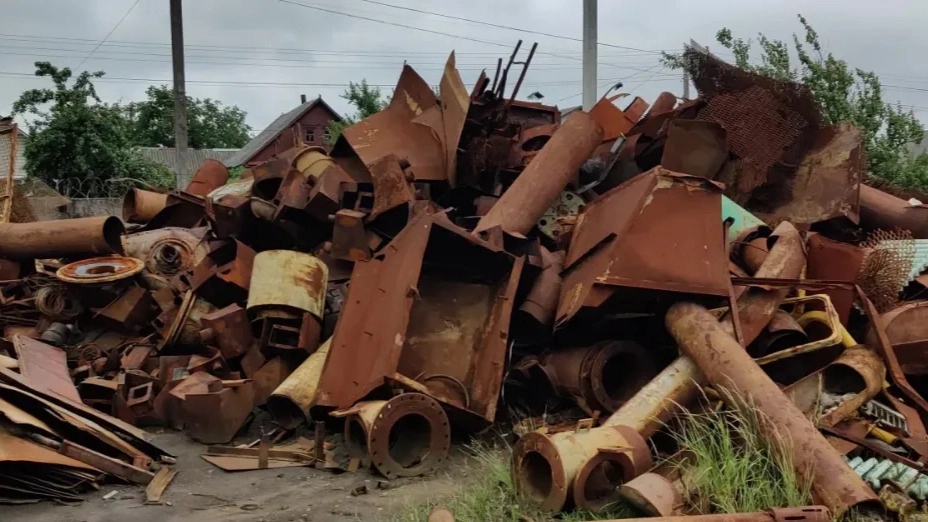
Purification of second-hand iron and scrap from pollutants
Purification is done to ensure the final product with high quality and free from pollutants. One of the most common methods used for purification is electrolysis.
Consolidation of second-hand iron and scrap
After refining the molten metal by the conveyor belt for cooling. The strength and strength of metals are transported. At this stage, the scrap metals are made into special shapes such as rods, which can be easily used to produce various metal products.
After cooling and stabilizing the metals, they are ready for use. They are transported to different factories, where they are used as raw materials for the production of new products. When the products made from these metal rods reach the end of their useful life, the metal recycling process continues again.