
Definition of waste
During the stages of production, consumption or non-use in the long term, part of the products produced are used for reasons such as breakage, waste of work, expiration of goods, etc., which are called waste and waste. . In general, waste is divided into two prices:
- Normal waste
Normal waste in production is created in production operations and due to the nature of production. , these are unavoidable, and are known as waste in production.
- Abnormal waste
Abnormal waste due to reasons such as worker's lack of skill and negligence And there are cases like this that can be prevented or minimized with proper training and standardization.
What is metal lesions
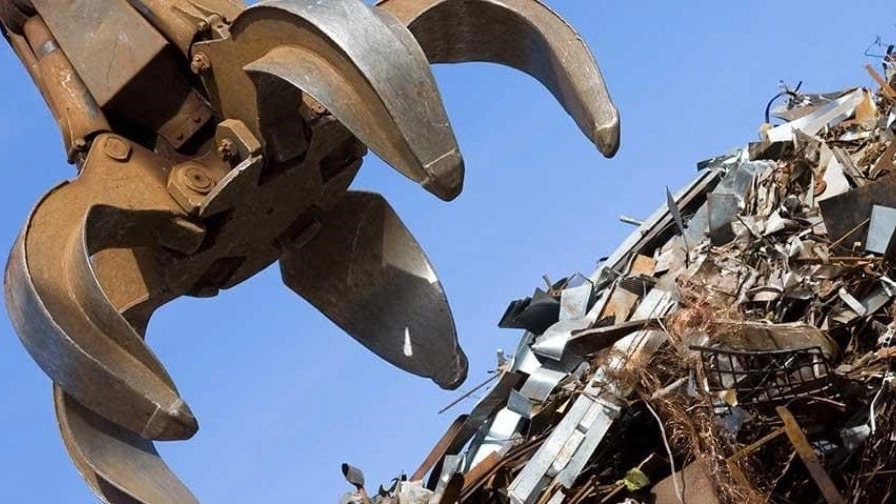
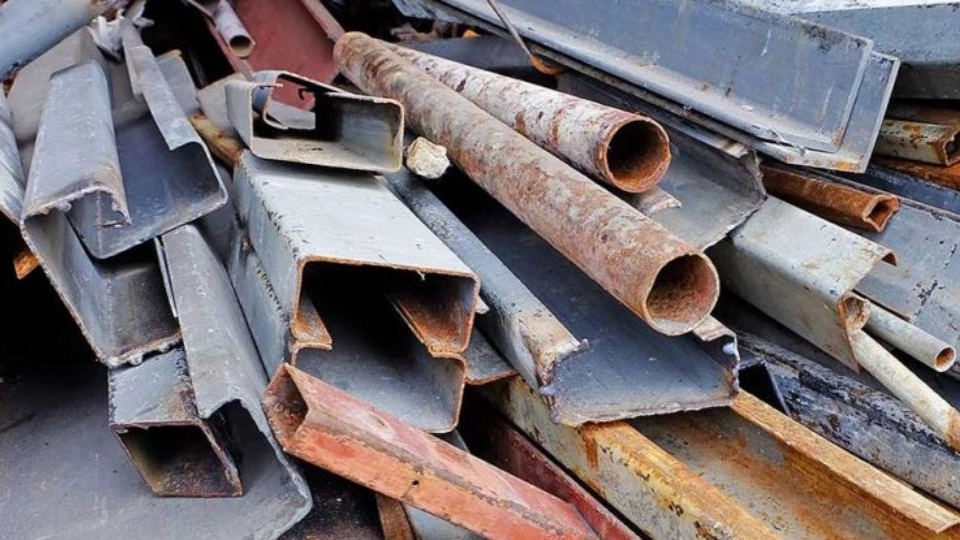
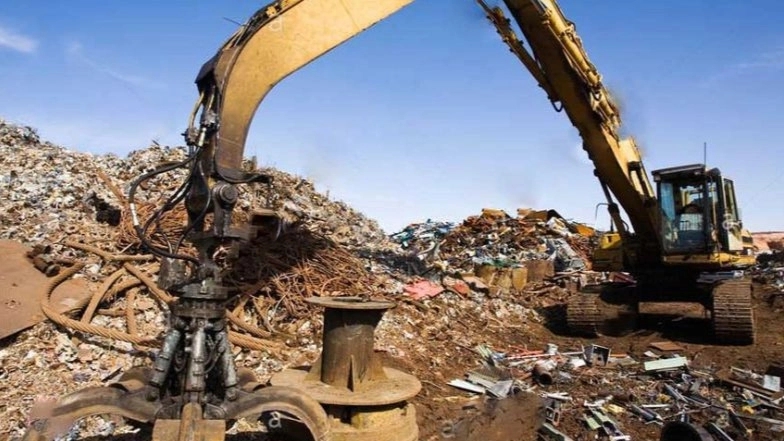
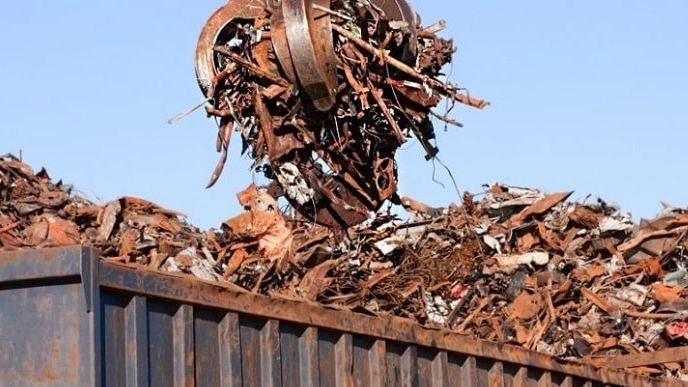
Simply put, scrap metal is a combination of metal and any product that contains metals that can be recycled or made into a new product. We call defective products and unusable cast iron and steel scraps as scrap iron. Additional materials of the project, small and large car parts, household appliances, etc. are valuable metal scraps.
Metal waste of the building
Imagine that several hundred meters of copper wire are used for electrical wiring in a building, or several hundred meters of metal pipes are used in it. The useful life of any concrete building in foreign countries reaches up to 100 years, but unfortunately in Iran, the useful life of concrete buildings has reached below 30 years, and after the end of the useful life of that building, it is destroyed, and its metal items include beams, rebars, profiles Doors and windows, water and gas pipes can be recycled as construction metal waste.
Types of metal waste
Application of iron waste
from iron waste in various cases such as sculpture, bridge industry, automobile, manufacturing of chairs, tables, benches and goods that are used in daily life. The reason is that it takes about 75% less energy to convert from iron ore to steel again. The lack of natural iron ore mines in many countries has made them think of buying scrap iron to keep their steel production industry afloat.
The benefits of recycling iron
Every industry has its advantages and disadvantages, by comparing which one can decide whether it is right or wrong to enter it. The iron waste recycling industry has the following advantages: * Saving in the use of resources, such as ore, reducing the use of water and electricity resources and... * Reducing air pollution in waste recycling. to its production
* saving electricity, fossil energy and...
* helping to reduce less environmental pollution