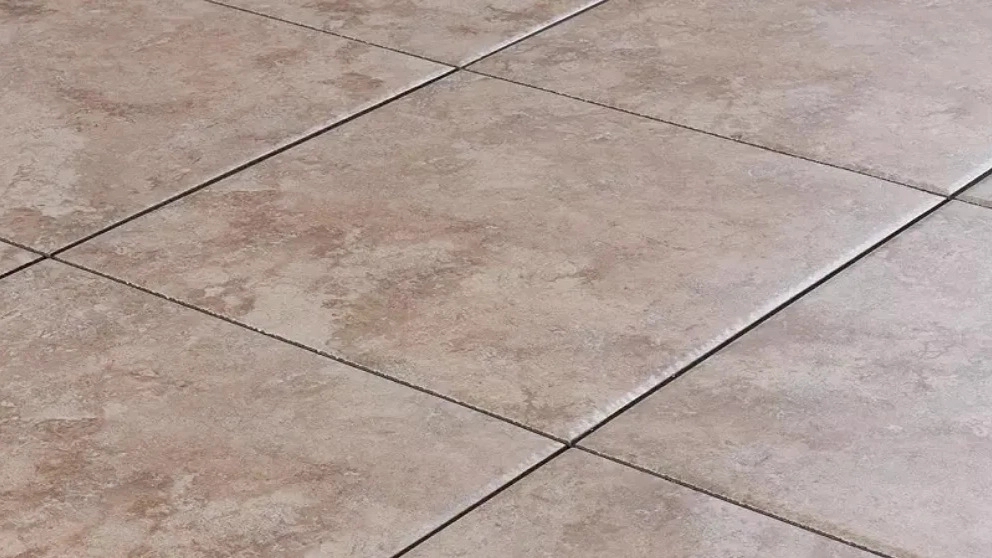
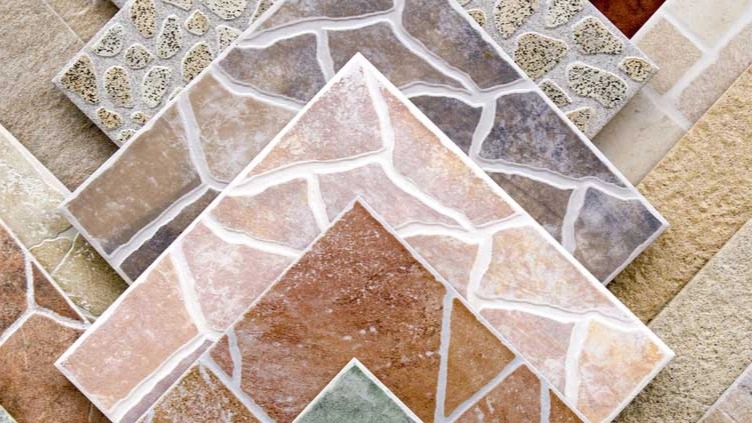
Tile and ceramic are among the most used building materials that are used in the floor and wall of different parts of the building. The use of high-quality glazed ceramics and tiles makes the building look beautiful and durable. Many compounds and various methods are used to produce these products, which produce different qualities. The best way to choose good quality ceramics is to pay attention to the features listed on their packaging. According to the law, the specifications of tiles and ceramics must be included on their packaging. This information is determined based on the approvals of the National Standards Organization of Iran. Quality level, friction coefficient, abrasion level, water absorption rate, thickness and cold resistance are among the most important criteria for choosing ceramic tiles. In this article, we examine the importance of each of these characteristics and provide guidance for choosing the right ceramic and tile for the floor and facade. /b>
Ceramics are divided into four categories based on the quality of construction and raw materials used in them. First-grade ceramic is considered the best type of ceramic and ceramic tile, and fourth-grade ceramic is the lowest standard level of ceramic and tile. Of course, grade four tiles are very suitable for low-traffic spaces, and it does not mean that they are useless or inappropriate everywhere. Therefore, the quality grade of ceramic tiles, which is written with the numbers 1, 2, 3, and 4 on their packaging, is indicative of their quality. It should be mentioned that first-class tiles and ceramics have the least amount of manufacturing defects and are considered almost flawless in terms of appearance. Ceramics and tiles that have flaws in their production process such as cracks, slight lip cracks, moles, uneven distribution of glaze, and slight arch are usually placed in grades two to four.
💢 Coefficient of Ceramic Friction (COF) 💢
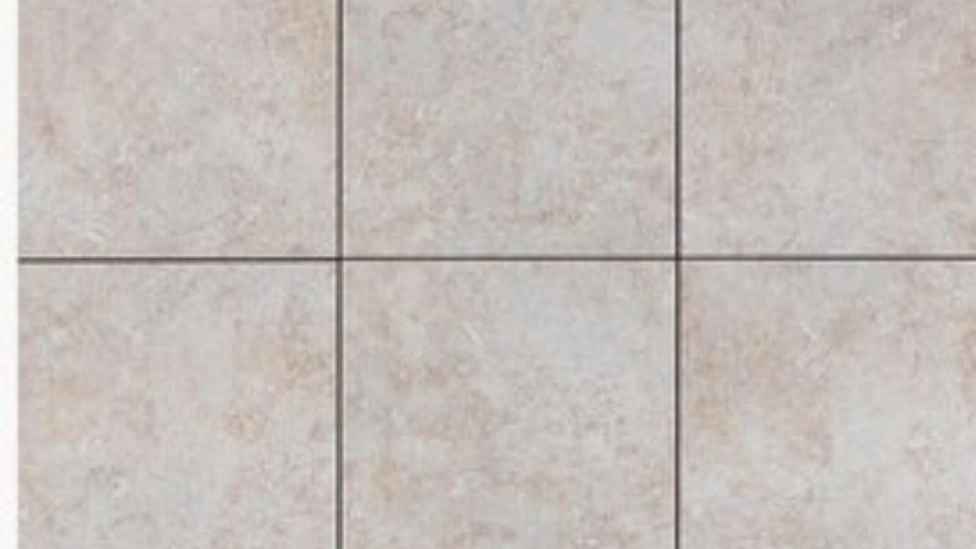
The degree of friction of ceramic tiles, which is also called the Lizzie degree, is one of the important criteria for choosing these products. The coefficient of friction of ceramic tiles is inserted as COF, which stands for Coefficient Of Friction. The higher this number is, the less the friction is, and in fact, it is considered to be a smoother ceramic and tile. Ceramic tiles with a high coefficient of friction are usually used on bathroom and toilet floors. Ceramics and tiles with a low coefficient of friction are also mostly used in the facade of buildings and kitchen walls. It should be noted that the degree of friction of tiles and ceramics available in the market is on average between 50 and 60, which are considered suitable for most spaces. >
Abrasion resistance is one of the most important factors in choosing the right ceramic tile. This issue is very important for the products that are used on the floor of the building. The tiles that are used on the floor of the building get worn out due to frequent traffic. Therefore, the more wear-resistant the ceramic tile is, the more durable it will be. The degree of wear of tiles with a number between 1 and 5 and the title PEI is written on the packaging of these products, which stands for Porcelain and Enamel Institute.
💢 Ceramic Water Absorption Rate (WA) 💢
Impermeable to water and moisture is one of the most important characteristics of good ceramics. The degree of ceramic water absorption is indicated by the abbreviation WA, which stands for Water Absorption. The higher the quality of the tile or ceramic, the lower the degree of water absorption. The porosity of the body of these products causes water to penetrate into them. The penetration of water into ceramics and tiles in the long term, especially in cold regions, causes them to freeze and crack. It is recommended to pay attention to the use of that space when buying ceramic tiles. The use of ceramics with a high degree of water absorption in open spaces such as building facades that are exposed to moisture and water and closed spaces such as toilets and bathrooms is completely unprincipled.
Tiles and ceramics available in the market in terms of Water absorption is divided into four categories:
The first group is tiles and ceramics that absorb more than 7% of their weight. These ceramics are not suitable for open spaces and humid spaces such as bathrooms and toilets. The second group is ceramics and tiles that absorb water between 3 and 7% of their weight. These ceramics also do not have sufficient resistance to water and it is better not to be used in humid environments. The third group are tiles and ceramics that absorb water between 3 and 0.5% of their weight. These ceramics are a good choice for bathrooms and are good ceramics for humid environments. The fourth group is ceramics and tiles whose water absorption rate is less than 0.5% of their weight. These ceramics are almost impermeable to water and are considered the best option for bathrooms, swimming pools and building facades in wet areas. It should be said that porcelain ceramics have the highest resistance against moisture penetration. It is something that should be taken into account when choosing the ceramic for the facade of the building and the floor tile for the yard. Cold-resistant tiles and ceramics usually have a higher manufacturing quality and therefore a higher price. Despite this, they are considered very necessary in order to reduce subsequent costs and have a longer lifespan in cold regions. The main reason for cracks in ceramics in climates with extreme cold and heavy snowfall is usually the use of low-quality products with high water absorption. It should be said that this classification is not very important in choosing the suitable ceramic tiles for interior spaces. It should also be noted that resistant ceramics are usually good thermal insulation and prevent cold from entering the building.
Ceramics and tiles are produced in many different colors and designs. Various minerals such as iron oxide, chromium oxide, cobalt oxide, cobalt carbonate, copper carbonate, etc. are used to produce each of these products. As a result, the color quality of ceramic tiles is very important in choosing it. Also, different colors of ceramics and tiles are suitable for different spaces. For example, white and blue colors are usually used in bathrooms and toilets to create a sense of cleanliness. In general, the bright colors of ceramic tiles make the space look bigger and increase the ambient light. Multi-colored ceramics are also produced in a limited way and are widely used in interior decoration. It should be remembered that high-quality ceramics have a uniform appearance and their designs are very precisely carved.
💢 Matte or shiny ceramic 💢
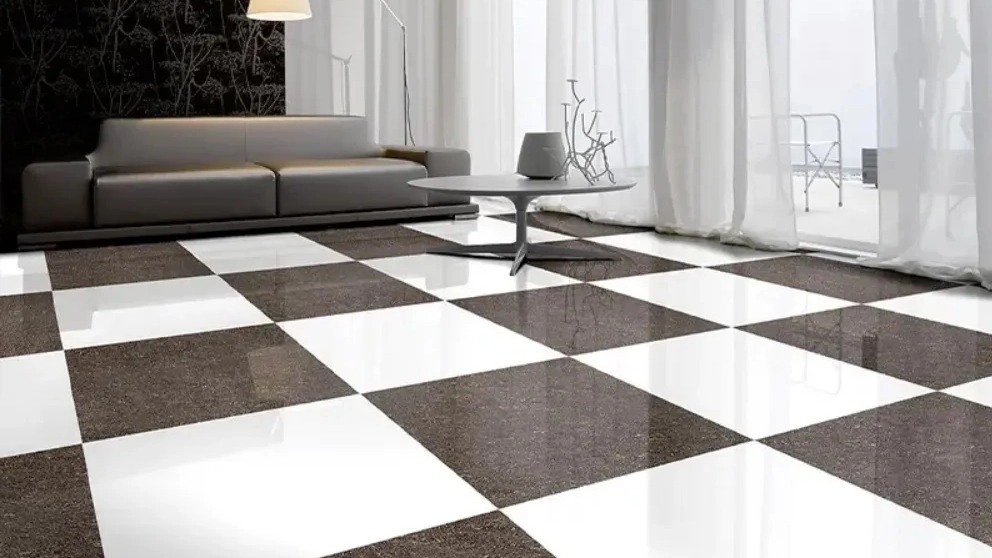
Glossy or matte are not criteria for selecting ceramics. In fact, the choice of glossy or matte ceramic depends on your taste and space. Polished and semi-polished ceramics are usually glossier and have a higher luster. To achieve this goal, all types of tiles and ceramics are polished through several stages with specialized tools. Glossy ceramics make the space appear larger and their brightness makes them very suitable for dimly lit environments. They will also be easier to clean. Shiny tiles and ceramics are considered more luxurious and are more expensive, but due to their slippery nature, these products cannot be used in places such as bathroom floors or toilets.
The matte type of ceramic and tiles make the space a bit heavier, but They show stains less and can be used in almost all parts of the building. It should be said that cleaning matte ceramics is more difficult than glossy ceramics. Due to its low slipperiness, matte ceramic tiles are a very suitable choice for the floor of the building, and the carpet does not slip on it either. These products are usually less expensive than glossy ones due to less polish. Some architects use the opaqueness of these products to add beauty and elegance to the building space. Factors for choosing ceramic tiles. The standard thickness of ceramic tiles is between 7 and 20 mm. Porcelain ceramics usually have the least thickness and are considered the most delicate type of ceramics and tiles. The thickness of Porslani ceramic tiles is between 7 and 10 mm, and they weigh less than similar samples. This is especially important when moving and installing these products.