✔️ What is a casting?
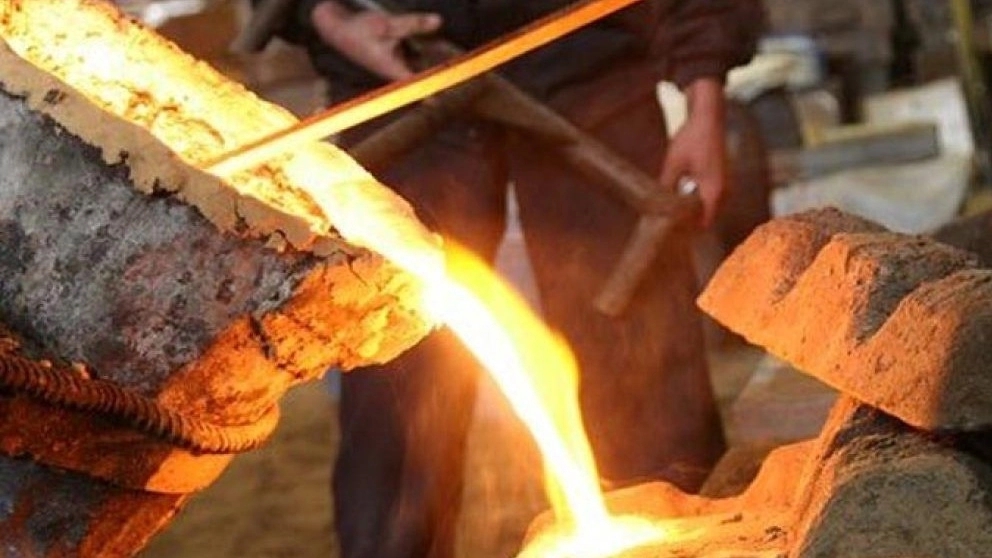
The parts in the devices and equipment around us are produced using manufacturing processes. Some of these parts are made on a small scale and others on a large and industrial scale. One of the most well-known industrial manufacturing methods is casting. Casting is a widely used process for the production of metal parts. This process is highly popular in the automotive and machine building industries.
✔️ What are the methods of manufacturing and production?
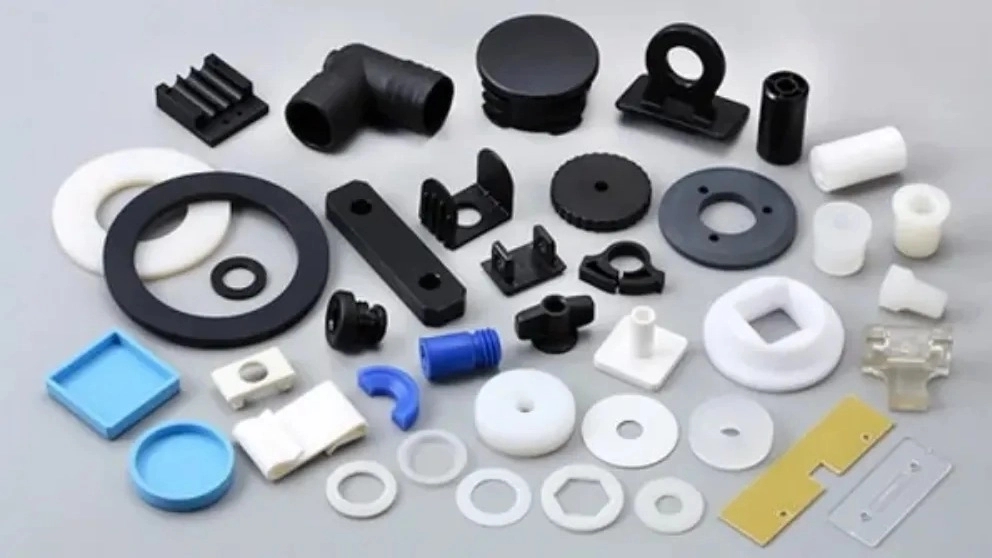
Manufacturing is a general term that refers to the set of activities required to create a piece in various industries. There are various methods and processes for creating industrial and non-industrial parts. For example, plastic parts used in many equipments are made using injection molding method.
✔️ The most well -known methods of manufacturing and manufacturing
Casting
Coating and engraving: laser engraving, printing, chemical vapor deposition, sputtering, electroplating and thermal spraying
Molding: powder metallurgy, plastic molding and shrink coating
Forming: pipe end forming, forging, rolling, extrusion, pressing, bending, cutting, etc.
Machining: milling, turning, drilling, honing, laser cutting, water jet, plasma cutting, electric discharge, grinding, etc.
Connection: welding, soldering, brazing, gluing, screwing, etc
Additive manufacturing: 3D printing, selective laser sintering, screw filament, melt filament, layering, plasma sintering, stereolithography, etc.
Other methods: mining, chemical production, petrochemical, assembly, logistics, packaging, woodworking, heat treatment (such as hardening), baking, etc.
What is the use of casting?
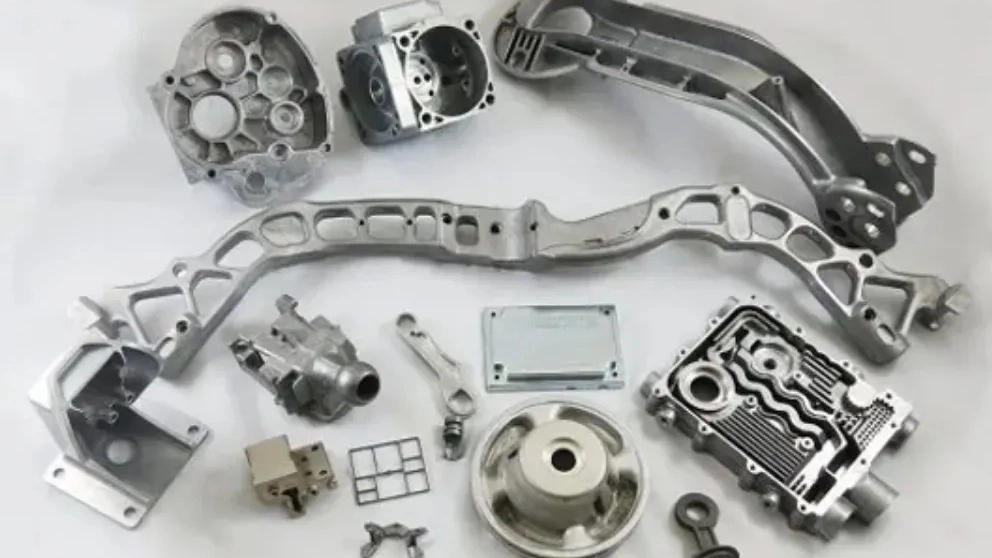
✔️ Different industries and areas where casting is used
Transportation: automobile manufacturing, railway equipment, railway equipment and shipbuilding
Heavy machinery: road construction, agriculture and mining machinery
Machine tools: machining, molding, forging, extrusion, shaping and casting equipment
Factory machinery: equipment for chemical, petrochemical, paper, sugar, textile, smelting and power plants.
Military industry: vehicles, weapons, ammunition, tanks and maintenance equipment
Electrical industries: motor, generator, pump and compressor
Facilities: pipes, connections, valves and fittings used in piping, sanitary facilities and cooling facilities
Household appliances: kitchen appliances, furniture and gardening equipment
Art: sculpture, ornaments, decoration, etc.
✔️ What are the materials used in casting?
Gray cast iron is the most widely used material used in the casting process. Other common metals in this process include cast iron, aluminum, steel, copper and zinc. Of course, it is possible to use non-metallic materials such as concrete, glass, plastic and resin to make casting parts. It depends on parameters such as production volume, economic efficiency, melting temperature, cooling speed, resistance to wear, weight and vibration absorption. The type of material used is one of the criteria for dividing the types of casting methods and their applications.
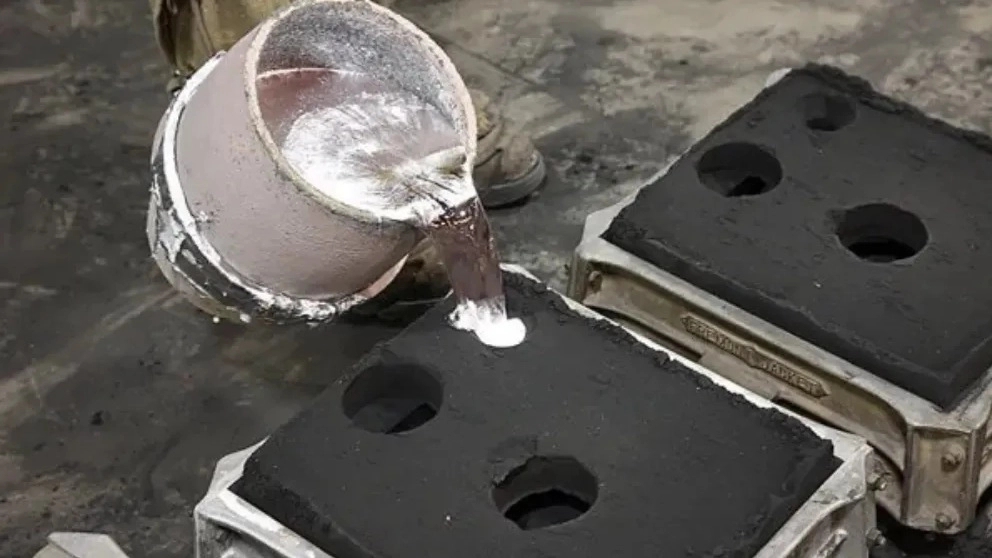
✔️ What is a melting factory or casting factory?
A foundry is a place to produce metal parts by casting. All steps of casting are done in this. From the equipment and materials used in the smelting factory, we can mention molding machines, mixers, furnaces, crucibles, transfer devices, filters, metals, alloys, additives, and chemical bonding systems.
✔️ How is it done?
1. Modeling: designing industrial molds used in the casting process by specialized software and making the physical model of the final piece.
2. Muscle making: designing and making the muscles needed to create the internal surfaces of the part
3. Moulding: making a casting mold according to the design documentation and using materials such as sand, wax, steel, etc.
4. Melting and pouring: Applying high temperature to metals to turn them into a liquid state and pouring the molten material into the mold by the plant or other available equipment.
5. Freezing: reducing the temperature of the mold and the molten material inside it after finishing the pouring process
6. Opening the mold: separating different parts of the mold and removing the cast mold piece
7. Finishing: cutting, grinding, sandblasting, etc., in order to separate the extra parts of the piece, create a suitable texture, or prepare its surface for coating
✔️ casting mold
"Mold" is a tool used to shape molten metal. Die-casting mold is known as "Die".
✔️ Mold cavity
"Cavity" is the empty space inside the mold and the final destination of the molten material. By filling the cavity of the mold, the molten material forms the overall structure of the desired part.
✔️ Molding Significance System
"Gating system" (Gating system) is a set of ducts inside the mold that allows the molten material to be guided from the outside of the mold into the cavity. he does. Basin, sprue, spring, channel, feeding, channel, channel and valve are the main parts of channel system.
✔️ Drived pieces
The cast piece is an object that comes out of the mold cavity after the solidification process. The cast part is called "casting".
✔️ Sand casting
Sand casting is known as the most common casting method. The main material in making molds of this process is sand. The abundance and low cost of silica sand makes this material the first choice for making sand molds. Of course, the high thermal expansion of silica sand increases the possibility of casting defects. Wet sand or green sand, sodium silicate or liquid glass, and resin sand are the most common materials used to make casting molds.
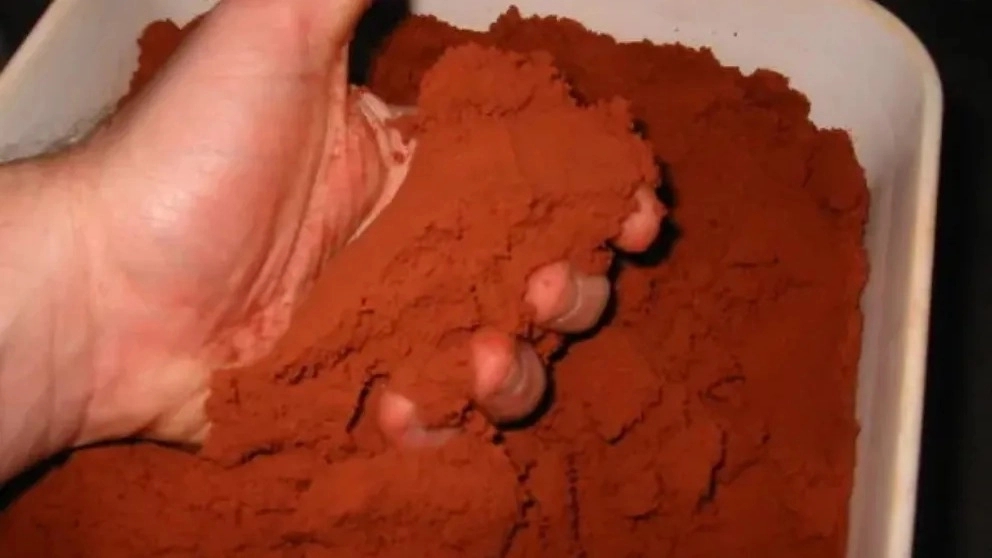
✔️ Sand resin
Resin sand is a material that usually consists of a combination of fine-grained silica sand with thermoset phenolic resin. Mixing these materials together makes it possible to make hard molds with high strength.
✔️ Sand of the procedure
"Facing Sand" is the sand used to make parts of the mold near the model. The upper sand is in direct contact with the molten material. Therefore, this sand benefits from a very high resistance against the thermal stresses applied by molten materials.
✔️ Grade or Flask
Flask is a tool used to maintain the casting mold. This device only has side walls and no top or bottom. The section of the flask is usually in the form of simple sections such as square, rectangle and circle.
✔️ Flask Half
Most casting methods use two-piece molds to make parts. Therefore, the flask is also made in two pieces. The upper part of the flask is called "Cope" and the lower part is called "Drag".
✔️ Chick
In complex castings, the flask consists of several pieces (more than two pieces). The middle parts of the flask in this case are called "Cheek".