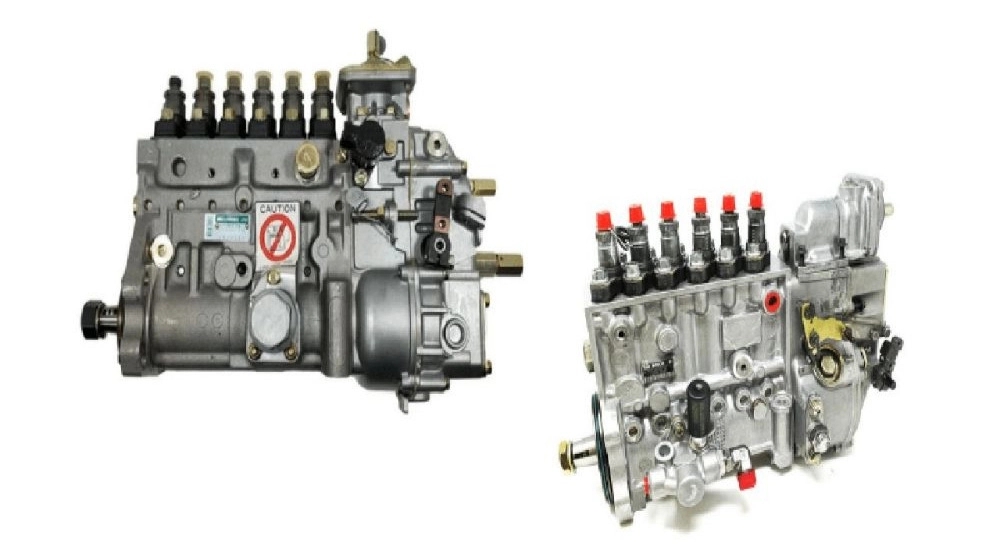
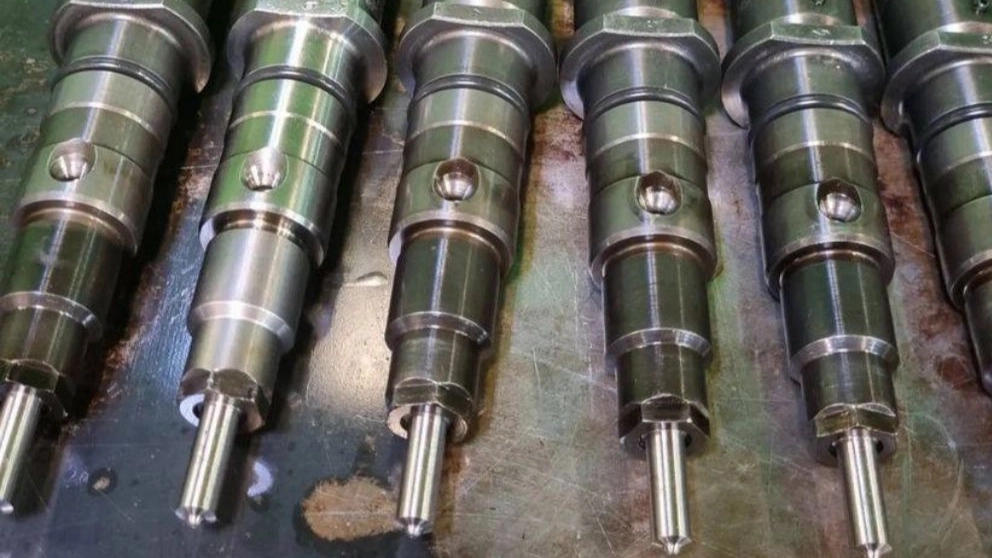



According to the demand of different engines that have different power efficiency and different designs in terms of combustion chambers, different pumps are designed and built. Although the basis of work of different types is similar, but their work capacity is not completely Cyl/10Kw up to the same. Diesel engines have power between Cyl/200Kw (kilowatts per cylinder) and are made for the following uses:
Trucks - Buses - Rides - Tractors - Agricultural machines - Construction and drilling machines
- Loaders - Bulldozers - Marine industries - Engines of overhead cranes - Electric generator engines and facilities
Computer and safety of banks Hospital facilities that work permanently. In general, in-line pumps are classified into two types: PE and PF: PE-that is, a pump where P has a camshaft E
PF-means a pump where P is without camshaft F.
*PE type pumps
There are two types of pumps in the series of camshaft pumps, the first group is marked with A, M, and ZW, and the second group is marked with P, MW, and CW. Part a is type A pump and part b is type P pump.
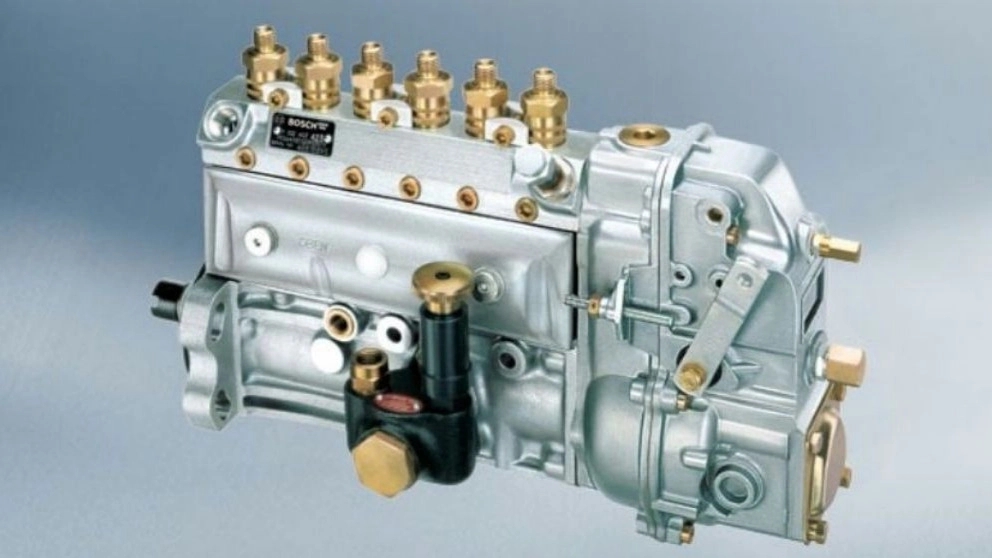
🔽 Basic differences between pumps 🔽
In pump A, the barrel is placed in the pump's aluminum enclosure from the top with the palenger, and it is placed inside the suction channel of the pump by the pressure valve's holding force that enters it from above.
For water The upper surfaces of the barrel and the pressure valve holder are made from the washer that is on the pressure valve. The injection pressure in M pumps is about 400bar and in A pumps it reaches a maximum of 600bar, so a complete seal must be created on the top of the barrel and the pressure valve holder. A pumps are used in engines that have equivalent power. be Cyl/Kw.