

What is the difference between interior decoration and interior design?
Interior decoration and interior design are two terms that are often used interchangeably, but distinct concepts in the world of aesthetics and functionality in spaces. They cover the interior.
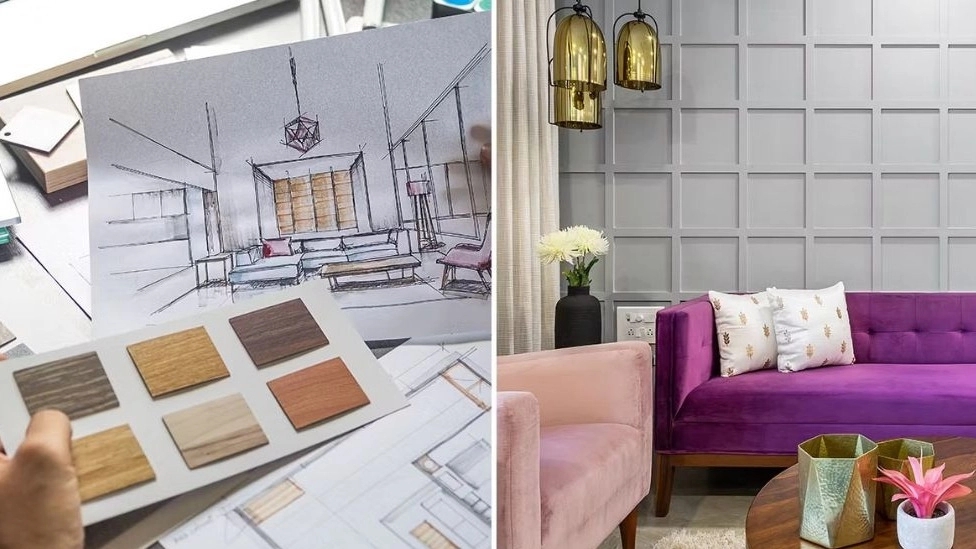
⚫️ Interior design
Interior design is a multifaceted field that goes beyond mere aesthetic appeal. It involves a holistic approach to designing the layout, function and flow of interior spaces. Interior designers are trained to consider not only the visual aspects, but also the functional elements that make a space functional and efficient.
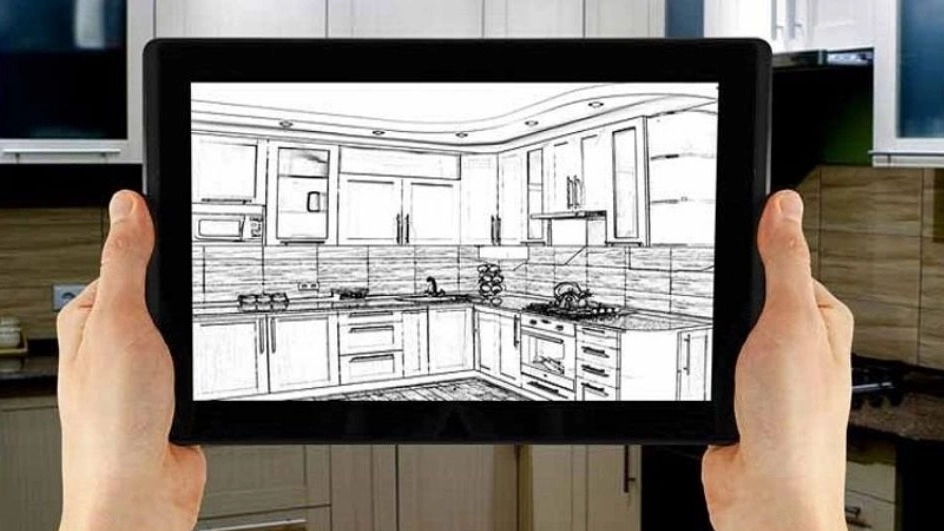
Unlike interior decoration, which primarily focuses on surface improvements, interior design begins with the basic structure and layout of a space. This includes spatial planning, furniture arrangement and integration of architectural elements. Interior designers work closely with architects and contractors to ensure that the interior is in harmony with the overall architectural vision.
⚫️ Interior decoration
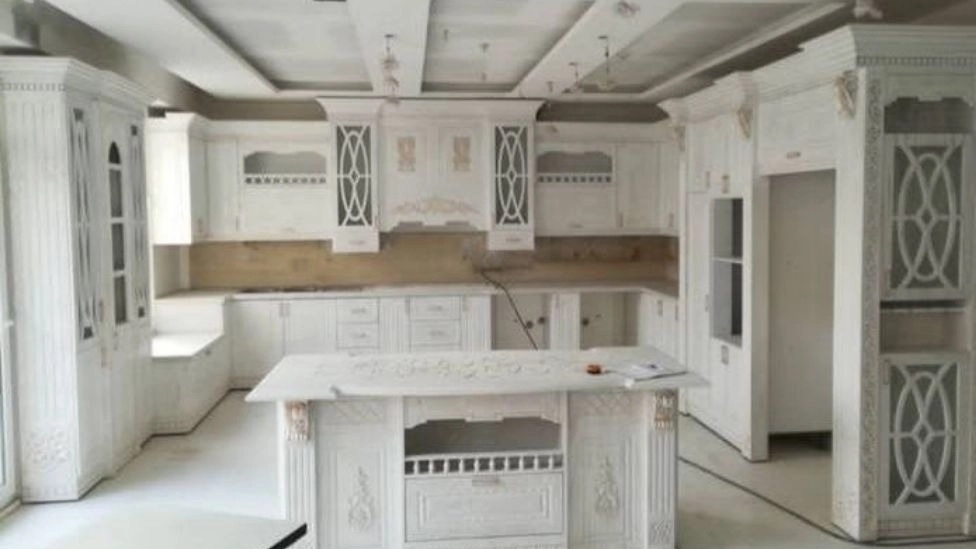
On the other hand, interior decoration is all about increasing the visual appeal of a space. This includes choosing color schemes, furniture, accessories and decorative elements that contribute to the overall atmosphere and style of a room. Interior decorators have a keen eye for aesthetics and a deep understanding of design principles. Note, their main focus is on creating visually pleasing environments. They often work with existing architectural layouts and spaces, adding layers of style and personality through careful selection of furniture, textiles and decorative objects.
What is the interior design?
Interior design is a multifaceted discipline that combines art and science to create functional and aesthetic interior spaces. It includes a wide range of skills and expertise, including space planning, architectural knowledge, and a deep understanding of human behavior and needs in a space.
Interior designers work on a variety of projects, from residential homes to commercial spaces and even public buildings. Their role goes beyond choosing colors and furniture. They are responsible for creating layouts that optimize space, maximize functionality, and meet the unique needs of their clients.
What is interior decoration?
Interior decoration focuses on the surface aesthetics of interior spaces. Decorators are experts in choosing colors, patterns, textures, and decorative elements that coordinate with the client's style preferences and the overall theme of a space.Unlike Interior designers, decorators usually work with existing architectural arrangements and structures, and their goal is to transform these spaces into attractive and harmonious visual environments. They often work with interior designers to ensure that decorative elements enhance the overall design concept.
Interior decoration and interior design in architectural projects
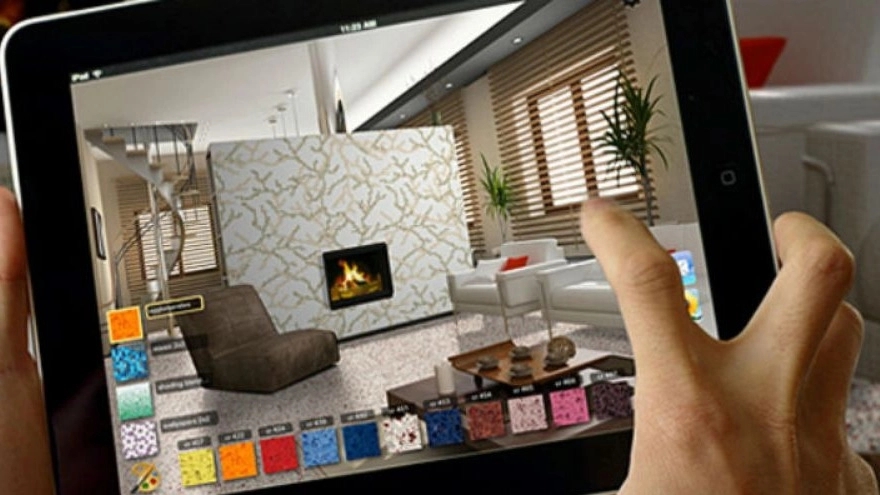
In architectural projects, interior design and interior decoration play a central role in achieving a coherent and functional living or working environment. Architects, interior designers, and decorators work collaboratively to ensure that interior spaces not only harmonize with the architectural design of the building, but also meet the needs and desires of the occupants.
Interior designers play an important role in planning spatial layout, ensuring optimal flow, and integrating architectural features seamlessly into interior design. They work closely with architects from the early stages of a project to create spaces that are both aesthetically pleasing and functional.
Interior decorators come into play when the structural aspects are in place and add the finishing touches that bring the space to life. They select furniture, textiles, lighting and decor elements that enhance the overall atmosphere and reflect the client's style preferences.
⚫️ The role of chandeliers in interior design and decoration
Chandeliers are exquisite devices that have a special place in interior design and decoration. These glamorous lights serve both functional and aesthetic purposes in a space, making them the focal point of many interior projects.
In interior design, chandeliers are carefully selected to complement the overall design theme and provide appropriate lighting solutions. They can add drama, elegance or a sense of whimsy to a room, depending on the style and design goals. Interior decorators often use chandeliers as statement pieces, using them to anchor a room's decorative scheme. Chandeliers come in a variety of styles, from classic crystal chandeliers to modern, minimalist designs, giving decorators a wide range of options to match any interior theme.