What is the interior design?
Interior design is a science that requires a complete understanding of the psychology of the environment, and in addition to design techniques, one should also master ergonomics, lighting, color and material science, because the mentioned items are the interior designer's means of expression. What distinguishes interior design from architecture is its lifespan (changing the interior design to suit the mood of the residents or creating variety in daily life, etc.).
Interior design is a process to shape the interior space through floor-ceiling and wall design. In fact, interior design is very dependent on human activity and we can define it as the art and knowledge of understanding human behavior.
In fact, interior design is the most practical art that exists because, unlike a painter, his goal is not to create a work of art that is simply beautiful or, like an artisan, his goal is to be a functional product, but it can be more elegant; A process that starts with architecture and ends with interior decoration.
Interior design, if it is done in an advanced way, has several aspects, which include: expansion and breadth of mind, planning, innovation and creation, review and handling, public attitude and communication with the owner and owner of the project.
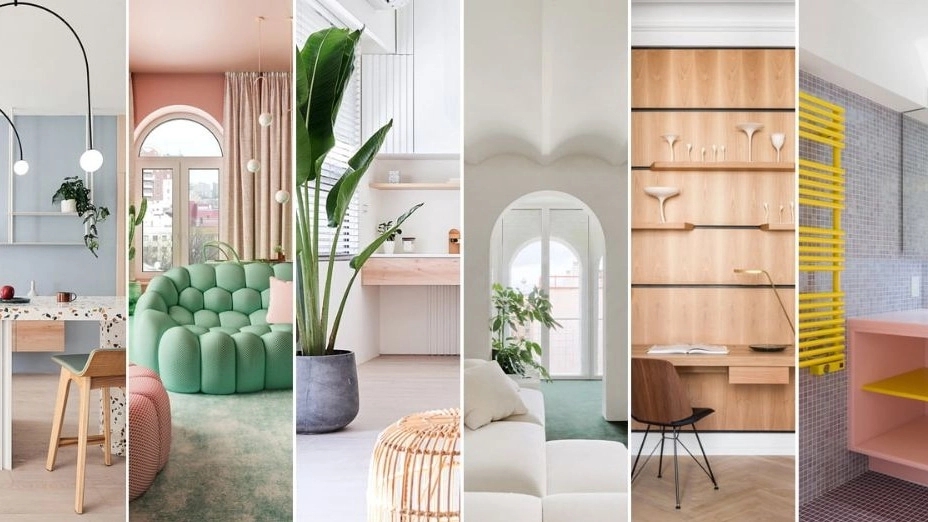
⚫️ Review and interior design history
If we consider interior design as part of a human activity, it can be claimed that it has a long history, but the title of interior designer, which is a specialty, was recently expressed.
Most experts consider the beginning of this industry in the early 20th century and the introduction of interior decoration as separate from architecture. In the 1940s, the titles of interior design and interior designer were noticed by people who provided services in this field. After World War II, during the economic development of countries, centers such as schools, hotels, offices and stores became very important in terms of spatial composition and structure.
The result of complex architecture and the progress of the society, which is the result of the development and progress of industrial processes, is the interior design industry.
What has contributed to the progress of the interior design profession is the attention to the well-being and comfort of the user and the useful use of space.
Since in the 17th, 18th, and early 19th centuries, we have seen builders' concerns about interior decoration, artisans and artists went to the help of architects to complete the interior design of buildings.
⚫️ Interior design evolution
After the passage of time, interior designers were not satisfied with color, fabric and furniture design and started working in different and special styles.
In fact, each interior design style expresses furniture, color, shape, artwork and other elements that work together to create multi-dimensional emotions.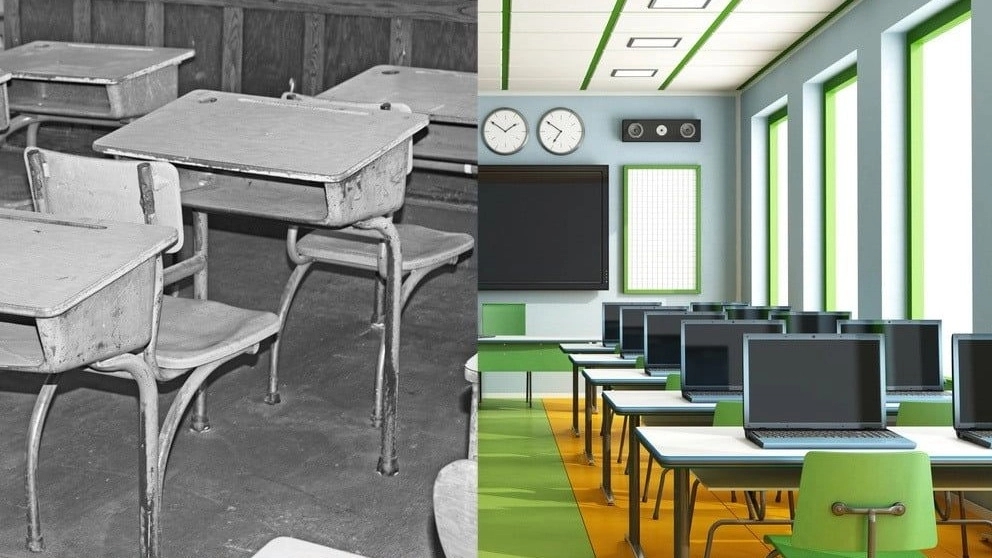
⚫️ Interior Designer
An interior designer is someone who emphasizes the use of space, functional design and drawing.
The interior designer can draw a map of a space, but he is not allowed to move positions, unless the building engineer allows and confirms that this change of position leads to the improvement of the structure. Interior designers deal with experts in many other fields.
Interior designers are familiar with different disciplines such as decoration design, architecture, etc.
In an interior designer project, he deals not only with his team, but with many people and specialists, some of which include:
Architects
Electricians
Plumbers
General contractors
Lumberjacks
Pottery or stone work
Flooring specialists
Painters
Furniture manufacturers
Door and window specialists
Artists and sculptors
landscape architects
Urban planners and government officials
Climate control specialists
For this reason, successful interior designers spend a lot of time getting to know these disciplines to know what each of them does and how.
It is interesting to know that interior designers are often confused with interior decorators.
This is a natural mistake, but there are certain differences between interior designers and interior decorators.
⚫️ Types of interior decoration styles
Getting to know and having basic information about interior decoration styles is the first step to start interior design. Everyone can choose the desired style for the interior decoration of their home or workplace according to their taste and mood, because there are different styles. Like minimalism, modern, Scandinavian, etc., they have many differences from each other.
⚫️ Modern style interior decoration
Modern, from a lexical point of view, means the use of newly invented tools and equipment, which means modern.
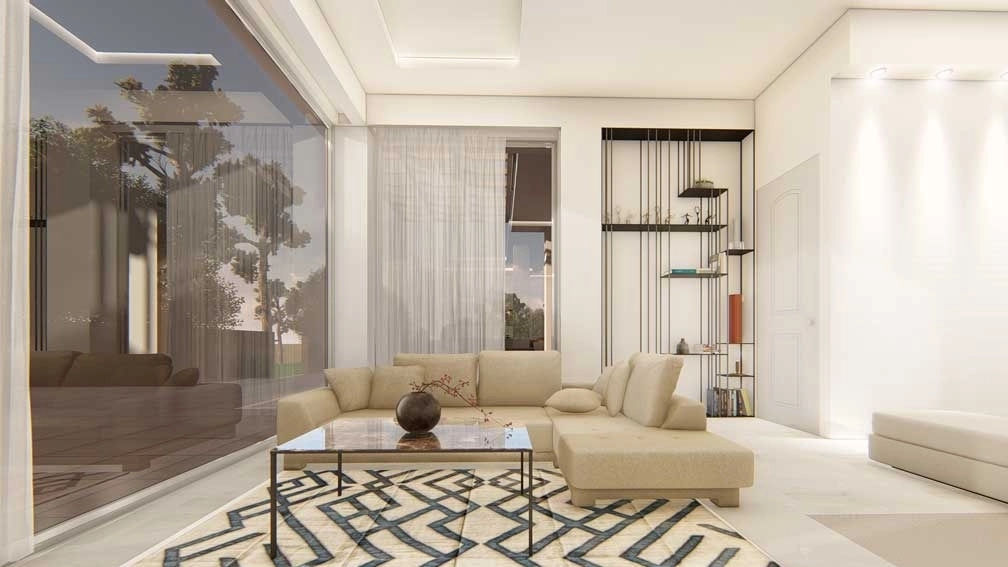
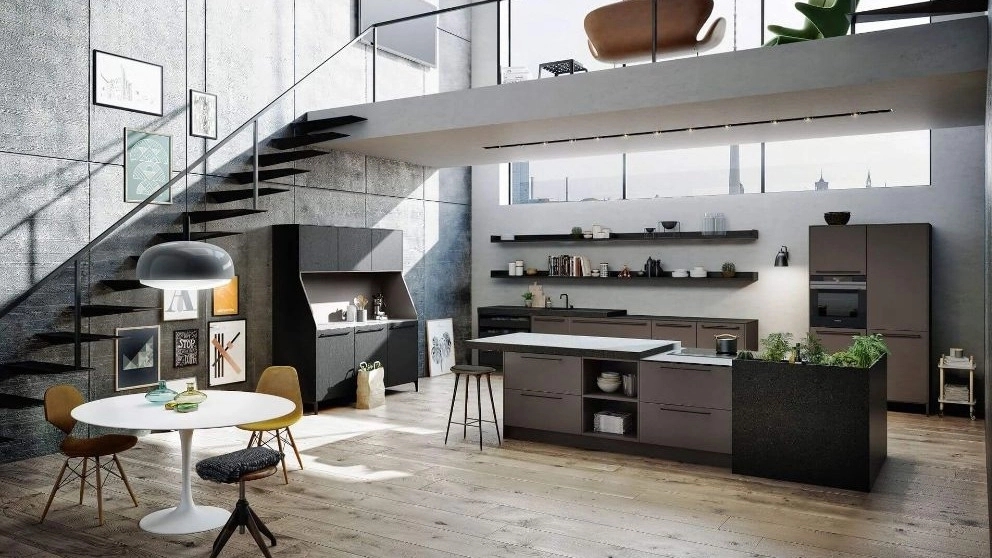
As a result, the word "modern" is very broad and in interior decoration, it is said to be a place with clean and smooth lines, a simple color palette along with devices that use materials such as steel, glass and metal.
Features such as shiny, smooth, transparent, and polished are the things that can be seen in this style.
Modern design has a sense of simplicity.
Most of the designers don't think it is right to use modern style in the field of interior decoration and they believe that this style makes people conflict with the theme of contemporary style and mention it wrongly.
⚫️ Minimalism style interior decoration
It is better to tell you the word minimal or minimal at first. The word minimal is a Latin word. Minimal means minimal. The minimalist concept is very popular in Australia.
For this reason, simplicity is part of the reputation of minimalists.
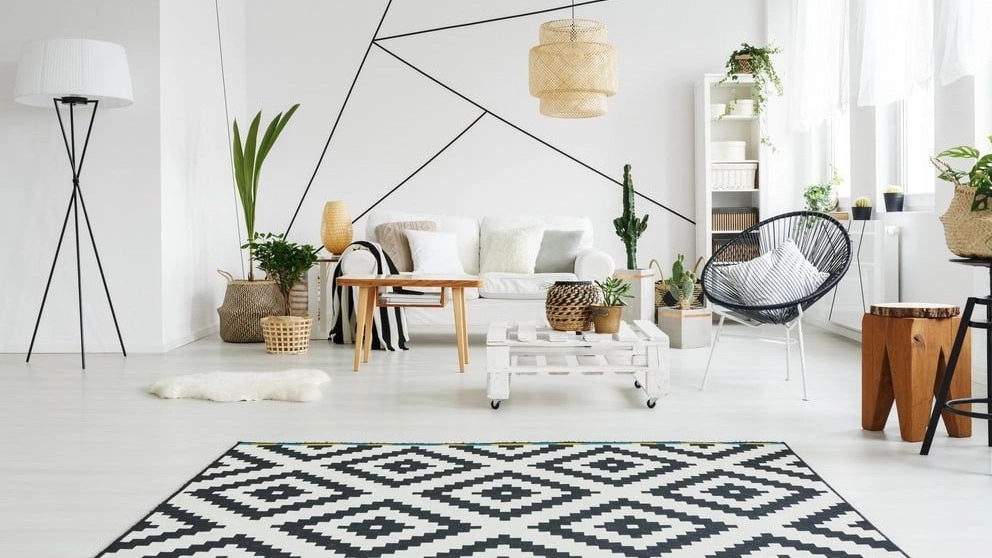
The most popular style among interior decoration styles is the minimal style. This style is simpler than the modern style. In the minimalist style, the accessories are not flashy and the neutral and color palettes used are usually neutral.
It is better to say that the word minimal, which means simplicity, implies the removal of all extra elements from the environment. In this style, almost everything in the curation is clean.
Using contrasting colors is another characteristic of minimal decoration. Black comes next to white.
This contrasting combination of colors is used so that the space is not too neutral.
By the way, one of the most used colors in the minimal style is white.
⚫️ Traditional style interior decoration
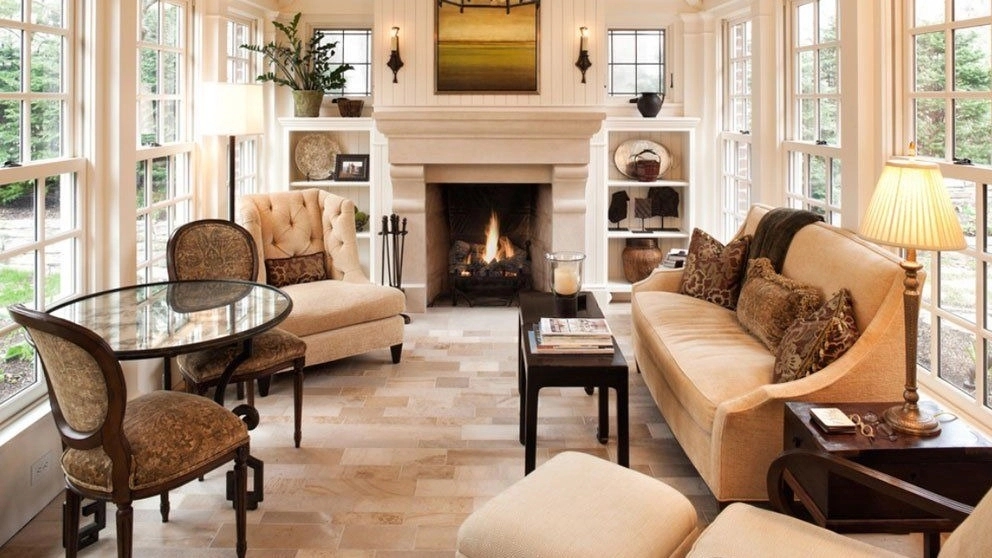
Traditional style in interior architecture, as its name suggests, belongs to the past.
Although many years have passed since the appearance of this style, this style is still successful in sending messages to the viewers due to its simplicity and eloquence, and has been able to attract many people and those who are interested in memories, past, nostalgia and tradition. The direction of traditional style has been a successful style in interior architecture until today.
The traditional interior design is related to the period of European classical decoration.
⚫️ Rural style in interior decoration
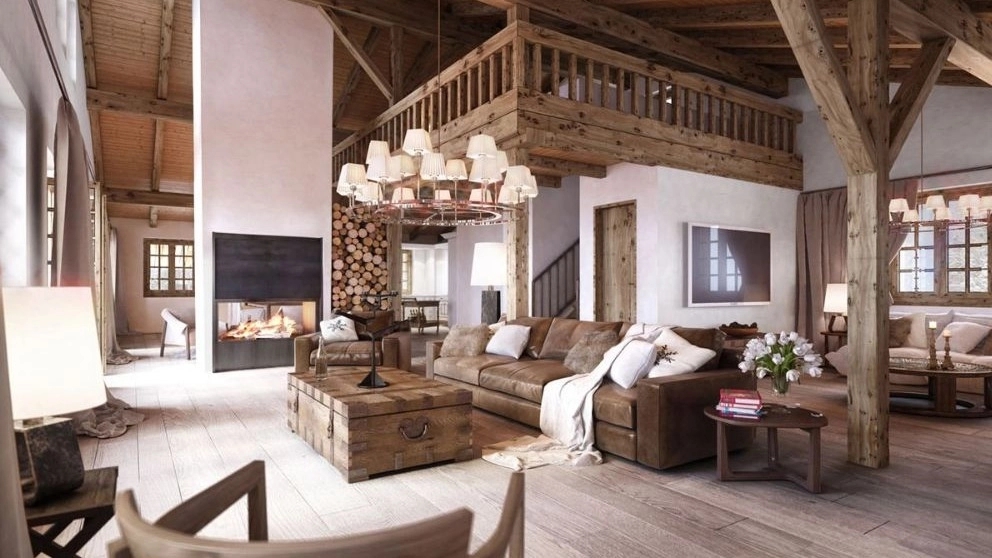
The word "Rustic" is Latin, and it is translated as "village" in Farsi. Rustic style means rural style.
This style is inspired by nature and is mostly created using natural elements such as wood and stone.
Interior design with rural style evokes an honest and peaceful atmosphere.
⚫️ Scandinavian style
Among all the styles of interior decoration in the world, there are some styles that are given special attention and their use is increasing day by day, and one of these styles is Scandinavian style decoration. Scandinavian decoration was created at the beginning of the 20th century and grew more and more and reached a remarkable reputation, which was due to its simplicity and practicality. This style of decoration, which was progressing over time, flourished in five countries: Norway, Finland, Sweden, Denmark and Iceland. The Scandinavian style is very similar to the minimal style and it can be claimed that the minimal style takes most of its features from the modern Scandinavian style.