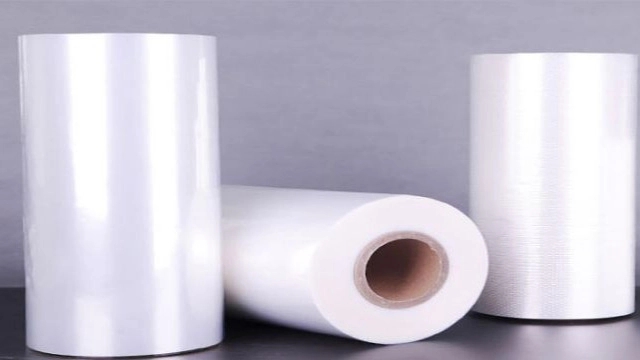



The main difference of Nylex Nylon includes the following:
🔰 raw materials 🔰
The difference between nylon and nylex is due to various features, but the main difference is in the type of material. Nylon is made from light polyethylene, while Nylex is made from heavy polyethylene. You should note that all the materials used in Nylex are not made of heavy polyethylene and almost 80% of it is heavy and the rest is made of light polyethylene. Adding light polyethylene to Nylex compounds increases transparency, softness and better sewability.
🔰 appearance properties 🔰
But for the general public, the most obvious difference is related to appearance. Nylons are significantly softer, more transparent and shinier than Nylex. On the other hand, nylons are drier and matte. Also, Nylon has a softer sound while Nylex has a bit of a hiss.
🔰 Thickness 🔰
One of the important differences between nylon and nylex is the issue of thickness. Both of these products can be produced in different thicknesses. But if we need to produce nylon with low and thin thickness, we will face challenges and therefore nylons are generally seen in medium and high thickness. On the other hand, it is possible to produce Nylex in very low thicknesses without any problems. In other words, Nylex can be produced in very thin thicknesses while Nylon cannot. For this reason, the number per kilogram of Nylex is higher than that of Nylon. This is especially important for sellers looking for high per kilo numbers as Nylex is usually more economical.
🔰 Application and use 🔰
The use of Nylex and Nylon in different classes is different depending on their characteristics. Due to its hardness and higher weight tolerance, Nylex is suitable for industries that deal with heavy products, such as fruit shops, pharmacies, etc.
On the other hand, nylon is more suitable for carrying light goods. It is used in stores such as boutiques, clothing, mobile and other similar industries. Therefore, according to the needs of each industry and the characteristics of nylon and nylon, the use of each of these materials is used in the most suitable industry for it. Takes.