
What is insulation?
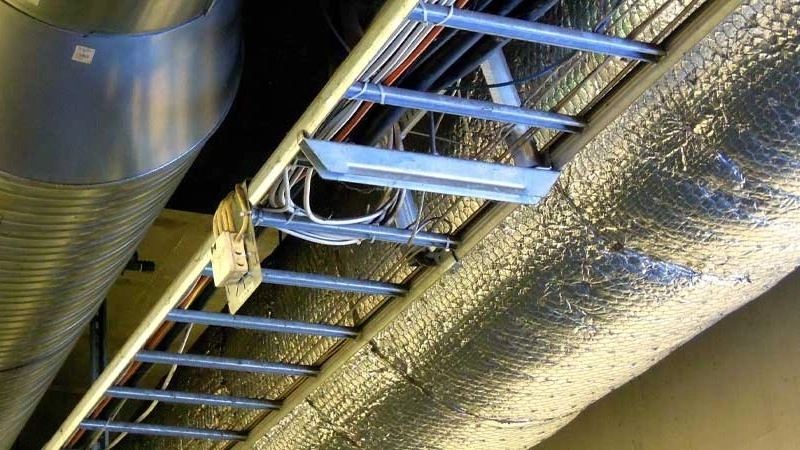
Insulator is a material that is placed on the border of two different environments and prevents the transfer of energy and matter. For this reason, they use insulation to prevent the entry or exit of heat, humidity, or corrosive substances. For example, they use insulation in hot water pipes so that the water does not lose its heat during the cold season. They may use different types of moisture and thermal insulation in all types of pipes. You may see more insulation in cold cities or humid cities of Iran than in other cities. Because in addition to the fact that insulation prevents the transfer of heat to cold, it can prevent pipes from cracking in the cold season of the year. In addition, insulation can prevent the rusting of an iron and pipe structure in the country's humid cities.
What is the use of insulation?
Insulators are used in different applications. One of the applications of insulation is to control the density of a surface such as the surface of a pipe. Usually, when the temperature of the pipe is lower than the ambient temperature, steam condenses on the pipe. This issue increases the humidity on the surface of the pipe, which causes the pipe to rust and corrode. Another widely used case in insulation is to prevent a pipe from freezing. In some geographical places, the air temperature is below zero degrees centigrade for many months of the year. At this temperature, water easily changes from liquid to solid. Water is a substance that increases in volume when it changes from liquid to solid. Therefore, the solidification of water in addition to preventing the flow of water in the pipe may also cause the pipe to burst. Insulation cannot definitively prevent static water from freezing in a pipe, but it can delay it.
Keeping the heat inside the pipe is another important application of pipe insulation. The high temperature of the pipe compared to the environment causes heat transfer from the pipe to the environment and cooling inside the pipe. Therefore, they use pipe insulation to preserve heat, especially in cold places. There is also the opposite of this. Insulation can protect the pipe from the very high heat of the environment, the pipe and its fluid. Another interesting application of insulation is to prevent the transmission of noise and sound! Due to the metallic nature of most of the structures, sound and all types of noise may be transmitted by this metal and cause harassment to others. This can happen in the sewer pipes of a building and even a town. For this reason, if needed, insulation helps the peace and comfort of citizens.
⚫️ Different types of insulation in terms of sex
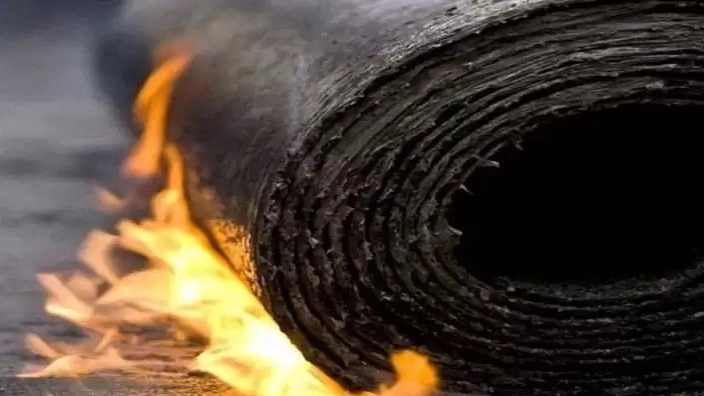
Insulators are made from different materials. Most of the materials used in insulation are petroleum derivatives. One of these cases is bitumen and water together. The name of this emulsion is bitumen, they made this material so that they can use the benefits of bitumen insulation in all kinds of sheets and pipes where bitumen cannot be heated. The combination of bitumen with sack is another type of moisture insulation. This insulation is the most widely used insulation in Iran. This combination can be seen a lot on the roofs of houses. Another widely used material in especially moisture insulation is tar. Tar is the black pieces that are made by cooling the steam from heating coal. This substance may be dangerous for plants and the environment when combined with rainwater, so care must be taken when using it.
Prefabricated materials are also used in insulation. One of the most important materials is glass wool. These materials are usually made from a combination of bitumen and polymer materials. Aluminum sheet is sometimes used to insulate light and heat. Primer is another type of material that can be used to insulate objects. The base of these materials is usually made of bitumen and resin and other additives. One of the advantages of this category of materials is its liquid state and the ability to spray and rub with a brush. Rubbing this material on the surfaces prevents the penetration of moisture and prevents rusting.
Mastics, which are usually made from bitumen, polymer and resins, are insulating materials. Concrete, metal, wood, etc. are surfaces where this insulation can be used. This material protects most surfaces from chemical hazards. Sealers, which are part of the paint family, are another candidate for protecting surfaces against external hazards. In addition to protecting against rust, this insulation also protects against the dangers of sunlight. In addition to moisture insulation, polymer insulation is also heat insulation. These materials, which are used as sheets, are also widely used in door and window seams. Insulators made on the basis of cement protect well from heat and energy even after drying.
⚫️ Types of energy insulation in terms of energy
In today's world, saving energy has become a necessity. One of the pillars of energy saving is the use of energy insulators. Preventing energy loss in the roof, floor and walls of a structure are all effective in this matter. There are different types of energy insulators. Materials such as wool and natural moss of various animals and thick fabrics can save up to 55% in energy consumption in both cooling and heating systems. In fact, these materials keep air pockets in their structure and because air is a very good insulator of energy, it prevents heat transfer.
⚫️ Building insulation
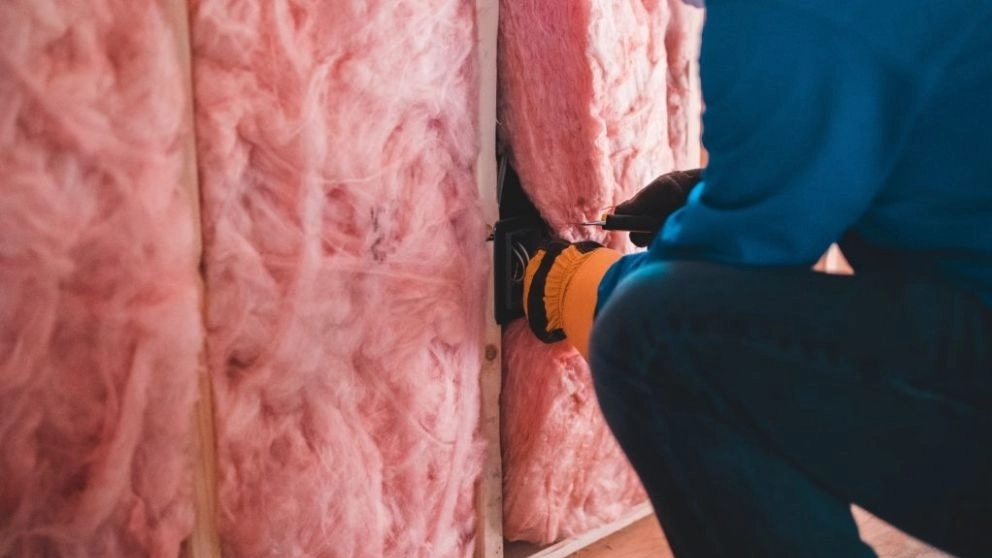
One of the most important applications of insulation is in buildings. As we mentioned, insulation in the building causes more energy efficiency and increases the durability of the pipes and sheets used in the building. Insulation can also prevent fire in the building. They even use insulation to create comfort and reduce annoying sounds. Preventing the penetration of moisture and resistance to chemical hazards increases the life of the structure.
By insulating a building, it is possible to heat the house by 5 degrees more in winter and keep the house 10 degrees cooler in summer by spending the same amount of energy compared to the case of not using insulation. Almost all types of insulation that we have introduced so far are used in buildings. Therefore, the builders of houses and commercial centers are open to insulation. In addition to its many advantages and being recommended, insulating surfaces is legally binding. According to the 19th topic of the building regulations, there should be thermal resistance and economy in the building