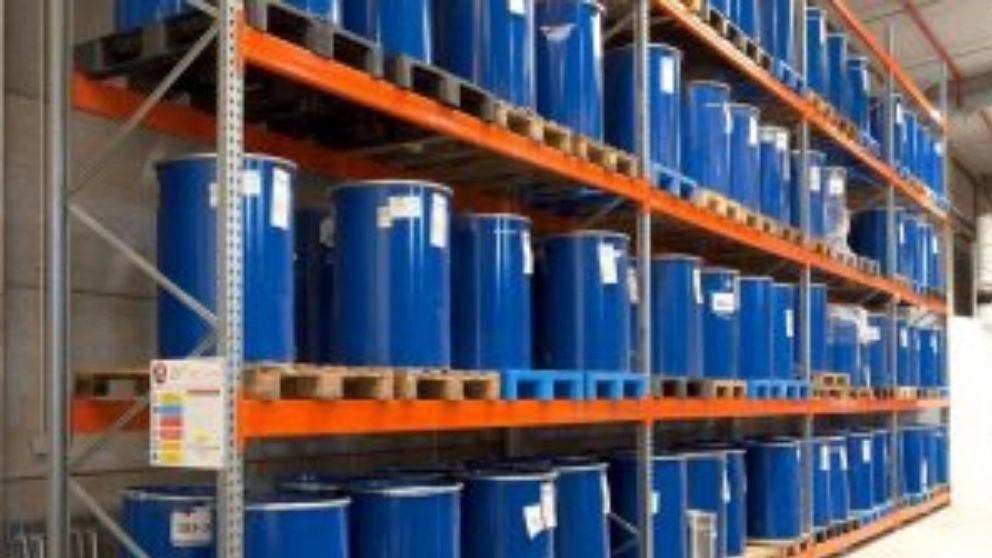




Industrial and basic chemicals are produced in large quantities and are vital ingredients for products used by industry and the general consumer. . They include chemical raw materials derived from petroleum and petrochemicals, basic minerals and intermediates for chemical processes. The chemical industry includes a huge variety of products that affect almost every aspect of our lives. Understanding production processes and basic chemical composition is increasingly important in order to reduce costs and comply with environmental regulations.
ان Chemicals History
Chemical production includes a set of processes and operations involved in the manufacture of chemicals. In the late 19th century, there was an explosion in the amount of production and variety of chemicals produced, and large chemical industries were formed in Germany and later in the United States. The chemical industry uses a wide range of raw materials, from air and minerals to oil.
انی Introduction to Basic Chemicals
Basic chemicals that are produced in large quantities, mainly in the chemical and other industries, before becoming products for general consumption. are sold These basic chemicals are divided into two categories, which include a variety of chemicals derived from oil, known as petrochemicals, and basic minerals.
ی Petrochemical and Polymers
The most important application of petrochemicals is in making a wide range of polymers. Hydrocarbons in crude oil and gas, which are mostly straight-chain alkanes, are first separated using the difference in boiling point. They are converted into hydrocarbons that are more useful for the chemical industry. such as branched chain alkanes, alkenes and aromatic hydrocarbons. These processes are separated in the unit, Cracking and related refinery processes.
ایری Basic mineral
These materials are a number of relatively low-cost chemicals, which are used in production and agriculture. They are produced in huge quantities, about millions of tons per year. These materials include chlorine, sodium hydroxide, sulfuric and nitric acids and all kinds of chemicals for fertilizer.
انی The use of chemicals in various industries
Chemicals are used in wide areas and are divided into two main categories of industrial and laboratory chemicals.
این Industrial Chemicals
For a more appropriate classification, experts and specialists in this field divide industrial chemicals into two categories: "organic chemicals" and "inorganic chemicals" They divide.
ار Laboratory Chemicals
Laboratory chemicals refer to any chemical that is used in laboratory tests and experiments. Most of them are standard chemical reagents or simple chemicals that serve as starting materials for the synthesis of more complex chemicals. Experiments need chemicals that have a high percentage of purity so that it does not overshadow the overall process and result of the experiment and does not cause an error in the experiment. Therefore, it is very important to be familiar with laboratory chemicals with high purity for use in the laboratory.
ان Types of Chemicals in Petrochemical Industries
Oil and gas is the most important application of chemicals in these industries in cooling towers, boilers and various production departments. Among the most important of these materials, we can mention anti-corrosion, anti-sediment, biocide, and oxygen remover materials that are used in various sectors of these industries.
انی Anti -Emuturous and Anestrian Chemicals
These chemicals are usually used in the oil, gas and petrochemical industries in cooling towers, boilers and other areas where corrosion and sedimentation are involved. It is discussed, used.
ان Biodes or Biosides
Biocides are commonly used in the oil, gas and petrochemical industries in cooling towers, boilers and oil wells, as well as in other sediment conflicts. are used.
ان oxygen decodes
These chemicals are mostly used in oil, gas and petrochemical industries in boilers or similar production processes. Leak point reducers and lubricants using these chemicals can ensure a smoother flow of fuel and oil. These materials also prevent paraffin problems in fuel filters.
انی Differences of Organic and Mineral Chemicals
The difference between organic substances and Inorganic is that organic compounds always have a carbon atom, while most inorganic compounds have no carbon atoms. Other differences are as follows:
Almost all organic compounds contain carbon-hydrogen or a simple C-H bond in them.
The most common fact that distinguishes organic compounds from compounds What distinguishes mineral is that organic compounds are mainly derived from the activity of a living organism.
In contrast, inorganic compounds are derived from natural processes that do not result in any form of life on Earth or any The results of human experiments conducted in laboratories are not relevant.
The difference between organic and inorganic compounds does not end with the presence or absence of carbon atoms in them. These have the characteristics of both types of compounds, which are said to be different.