
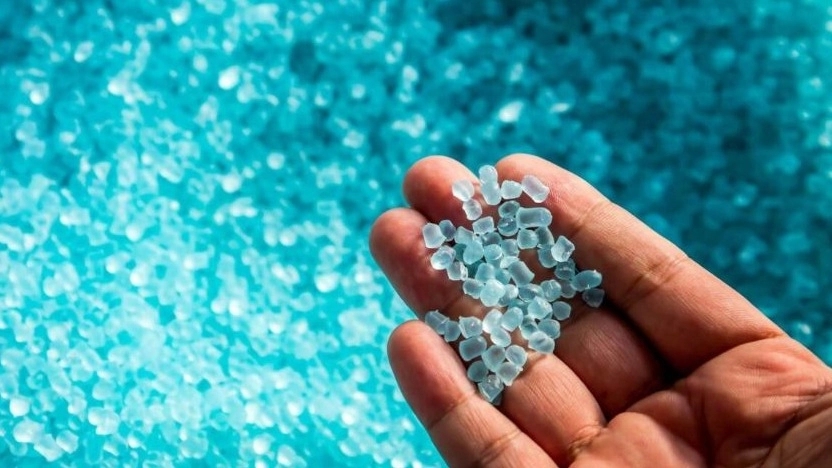


What is Plastic?
If we look at our daily life, we will see that every moment of our life has an inseparable relationship with all kinds of plastic. The clothes we wear contain some amount of plastic, the car we drive has plastic parts, the household appliances we deal with are made of plastic parts, even the food we eat is packaged. Plastics are available. Humans use all kinds of plastic in order to have a cleaner and safer life.
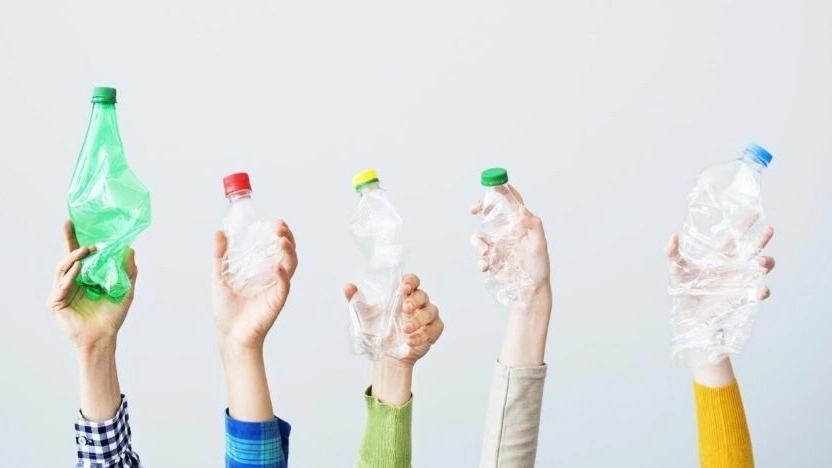
Plastic Structure
Knowing the structure of plastics can be a great help to understand the nature of plastics as well as possible, and you can get to know the properties and characteristics of this widely used material in the best way. The molecular structure of most plastics is based on hydrocarbons, where the two main elements of hydrogen with the chemical symbol H and carbon with the chemical symbol C are combined with each other according to a special formula. In special cases, other atoms such as oxygen, fluorine, chlorine, etc. enter the structure of hydrocarbons, which leads to the production of various plastics.
The molecules that make up plastic materials have the ability of unlimited bonds and can make large chain molecules, each of which is called a monomer. Monor is produced by processing hydrocarbons. All the atoms in such chemicals are placed next to each other with strong single, double and triple covalent bonds. The result of connecting monomers is polymer chains. Therefore, the names of some plastic materials have started with poly, such as polyvinyl chloride, polycarbonate and...
✔️ Plastic raw materials
Contrary to what many people think, the raw material for making plastic is around us. As mentioned, plastic is made from various hydrocarbons. Hydrocarbons are of different types and are found in different regions of the earth. Oil, natural gas, diesel, coal, cellulose, salt, etc. are among the main sources of hydrocarbons. Hydrocarbons are processed using various operations and are used to produce all kinds of plastics.
Plastics are divided into three major categories according to the type of raw materials of their manufactured materials
1. Natural plastics: resin and rubber can be mentioned among natural plastics.
2. Semi-natural plastics: Gasoline is one of the semi-natural plastics, the main ingredient of which is milk.
3. Synthetic plastics: This type of plastic is also known as industrial plastic, the main source of which is non-degradable energy such as oil and gas. For example, all the plastic parts used today in the automotive industry and household appliances are synthetic plastics
Plastic features
By knowing the properties and characteristics of each chemical, you can know them better. In this part, we are trying to introduce you to some of the main properties of plastic. So stay with us…
Plastic has unique features and properties that are used in various industries due to these features and has always brought satisfaction to consumers and producers.
Low Weight Plastic
One of the obvious and important features of plastic products is their lightness. If we compare equal volumes of plastic and metal materials with each other, you will see that plastic products weigh less than metal materials. Therefore, they are used in various matters.
✔️ Plastic insulation is electricity
Among the important properties of plastic is its insulating property against electricity. Various plastic products do not pass electric current, for this reason it is used as insulation in electrical and electronic industries. For example, plastic is used to produce plastic products for the production of wire and cable covers, electrical devices and tools, socket switches, lamp caps, etc.
م Good colorability
One of the characteristics of plastics that has made this material useful is its very good colorability. Plastics can be produced with desired colors for various devices that do not require repainting. Therefore, it is very popular in the industry of producing children's toys, car parts, household appliance parts, etc.
✔️ Resistance to corrosion
Plastic products have a very good resistance to the corrosion of other chemical products. For this reason, it plays an important role in medical and health industries, food industries, packaging industries, etc.
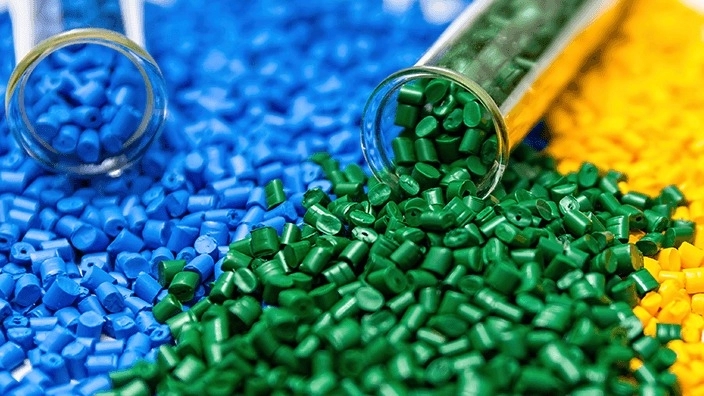
Types of plastic
Plastics have different properties based on their structure. Plastics are classified according to their physical properties that depend on temperature. In general, plastic products are divided into four main groups.
✔️ Dermoplastics
The first group of plastics that we are going to examine is thermoplastics, which are also known as thermoplastics. Normally, plastic is malleable when exposed to heat, but if the temperature is too high, it cannot resist and melts. Thermoplastics are those plastics that resist very high temperatures and only melt without chemical changes. Then it is formed with various techniques such as injection molding, compression molding and extrusion, and finally by reducing the temperature, it is cooled and the desired product is produced. Remember that thermoplastics can be melted and reshaped many times.
Despite its low weight, this type of plastic has very high strength and resistance, and its processing cost is very affordable. Plastic products such as polycarbonate, polypropylene, polyoxymethyl, polyether ketone, polymethyl methacrylate, etc. are types of thermoplastics.
Elastomers
The second category of plastics are elastomers. The name of this functional compound is derived from two words elastic and polymer. In fact, elastomers are elastic polymers. This category of plastics shows a very good elasticity when applying large amounts of force. Elastomers may sometimes deform longitudinally up to twice their original length, but return to their original shape after the force is removed. The most widely used elastomers in the industry are butadiene elastomer, styrene elastomer, etc.
Among the applications of elastomers, we can mention its use in the production of washers, pipes, hoses, strips and waterproof covers, shock absorbers, insulation, etc.
✔️
Thermostats are the third category of plastics, which are also known as heat-hard. This category of polymers shows a very good resistance against the application of large amounts of heat. By applying heat, the molecular weight of this type of plastic increases and becomes rigid and uniform. Therefore, thermoset plastics have good dimensional and color stability. Thermostats are hard and inflexible plastics. This type of polymer has the ability to withstand the application of high heat and pressure. For this reason, it has wide applications in various industries, such as the production of adhesives, the production of waterproof coatings, the production of various sealants, the production of epoxy resins, phenol and polyester resins, the production of floor coverings... >
✔️ Use plastic in packaging
It is one of the most common uses of plastic in the packaging industry. All kinds of plastic are used to produce water bottles and other drinks, disposable containers, cellophane, etc., which increases the health of food products.
✔️ Plastic in home appliances
The use of plastic is clearly visible in household appliances. If you look at any part of your surroundings at home, you can find a huge number of things that are made on the basis of polymers. In fact, it can be said that one of the biggest consumers of all types of polymers are home appliance manufacturers. Refrigerators, dishwashers, washing machines, ovens, microwave ovens, vacuum cleaners, irons, juicers, pots, etc. are among the appliances that all kinds of plastics play a role in its production.