
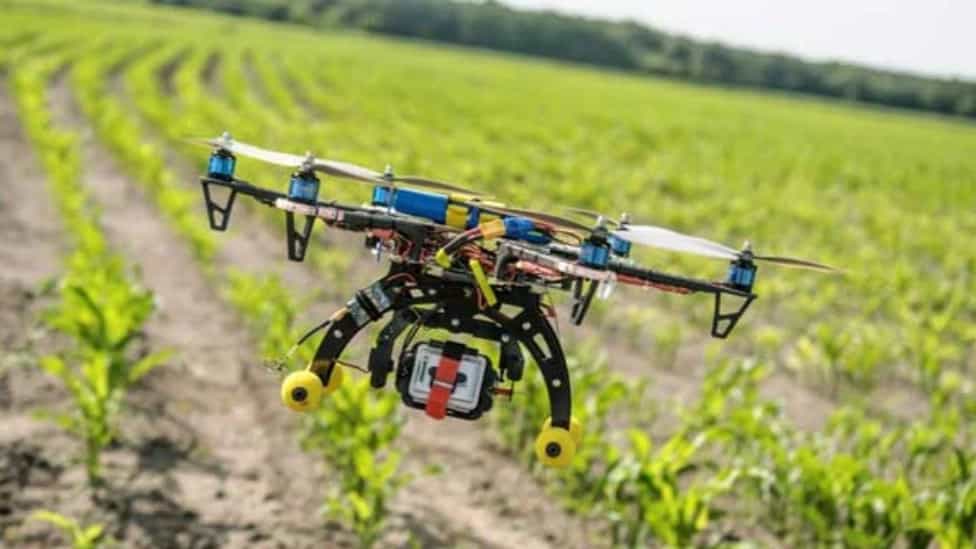
One of the most vital applications of UAVs in agriculture is its flexibility to move in fast movements and maneuver in the destination locations. This ability of drones helps to spray fertilizers and insecticides to grow crops and provide them with the nutrients they need. Such reinforcement makes the crops healthy and flourish. Agricultural drone operators can monitor the drone spraying fertilizers that keep away insects, pests and worms and increase the life of the crop. One of the most vital applications of drones in agriculture is its flexibility to move around. Fast movements and maneuvers in destination places. This ability of drones helps to spray fertilizers and insecticides to grow crops and provide them with the nutrients they need. Such reinforcement makes the crops healthy and flourish. Agricultural drone operators can monitor the drone spraying fertilizers that keep away insects, pests and worms and extend the life of the crop.
Quadcopter application in agriculture
In the agricultural sector, agricultural drones are used for a variety of tasks, including fertilizer spraying, aerial surveillance, crop monitoring, land inspection, mapping, inspecting damaged or rotten crops, and many more
The data collected from the drones' records will help farmers plan better plantings and treatments to get the best possible harvest. According to some reports, the use of precision farming systems tends to increase yields by up to 5%, which is a significant increase in a market with low profit margins.
< div id="cdb-content" class="cdb-content">
Monitoring of soil health
In general, one of the uses of agricultural drones is to monitor soil health; The powerful capabilities of UAVs help the labor-intensive process of analyzing soil health. UAVs collect and analyze data from monitoring systems that may be used to monitor, modify, and maintain the nature and health of soil. UAV technology can also help the soil get the nutrients it needs to increase its health. Agricultural drones perform this task of monitoring soil health through data processing and 3D mapping operations.
Seed planting process
Agriculture by industrial definition is labor intensive and time consuming, as it requires a high level of ability to perform its activities. Seeding, in particular, requires human labor because it is a process that takes time. Drone technology is used to plant seeds of several types of crops to make this laborious task easier. Lasers, sensors, tanks and other features built into drones allow them to plant seeds quickly and cleanly.
In general, agricultural drones are great for monitoring and measurement techniques because they can quickly cover territory to check crop development and soil health. Drones are most commonly used for this purpose, as their sensors can detect the absorption of a specific wavelength, resulting in a color-contrast image that significantly reflects potentially problematic locations.
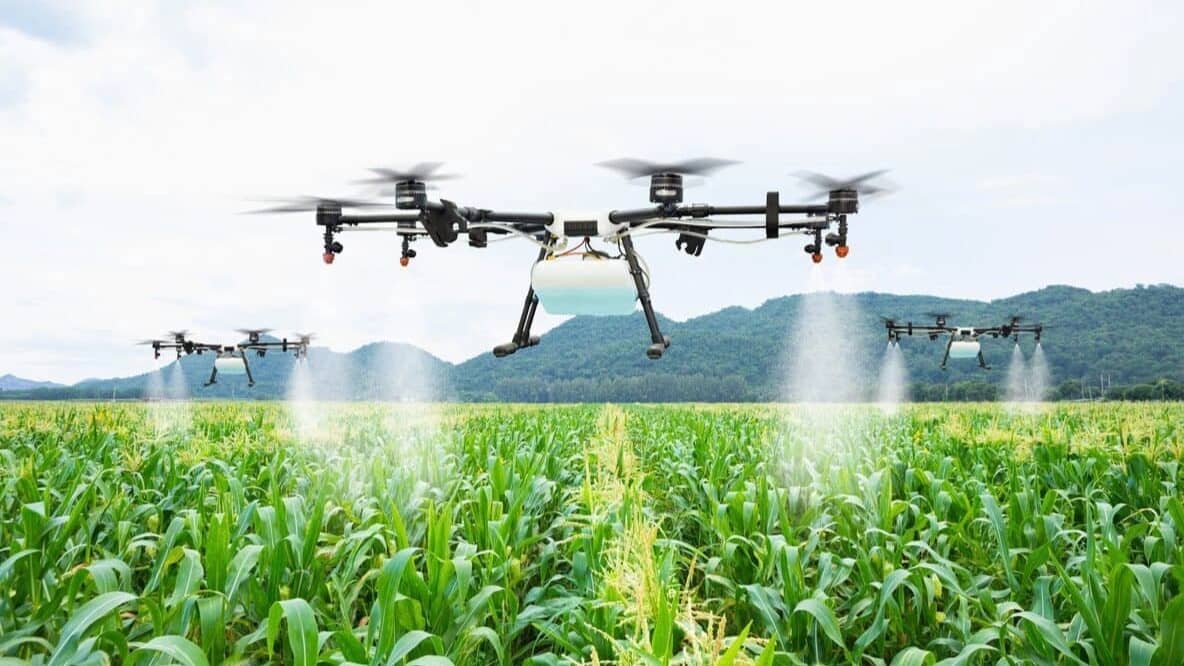
The second major application. UAVs in agriculture maintain the health of crops by spreading water, fertilizers and pesticides. Drones combined with spectroscopy and thermography technology can identify dry areas and solve problems that traditional irrigation equipment misses. On the other hand, drones can detect equipment leaks and irrigation problems.