
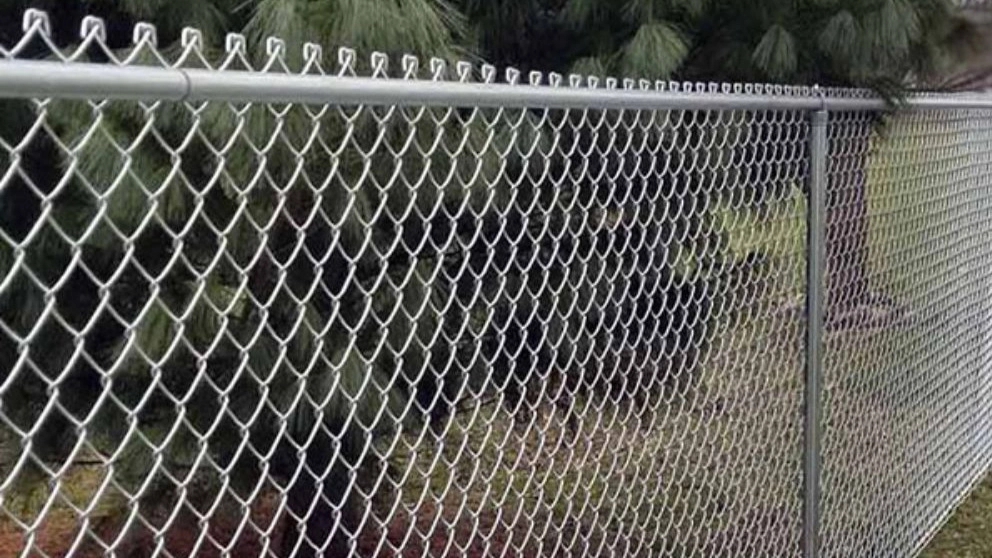
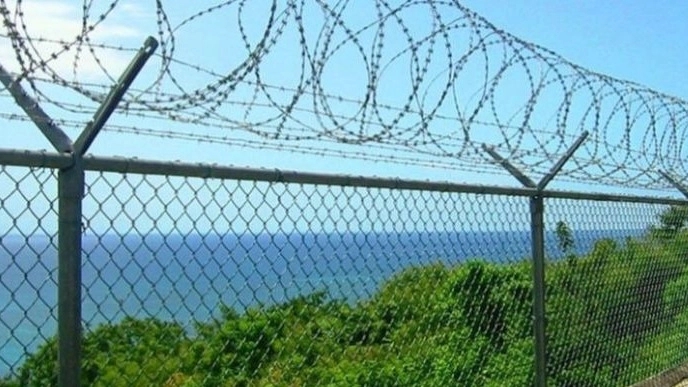

Raw material of fence mesh production (fence):
Raw materials for the production of fence netting from wire with different thicknesses, from 2.2 mils, 2.5 mils, 2.8 mils, 3 mils, 3.5 mils, 3.8 mils, and 4 mils. These wires are basically produced in the form of coils, and the wire coil form is used in the production of fences. These types of wires are mainly produced with special coatings.
1- The first type of coating and the "most used" type of coating is hot galvanized, which is the most used in the production of fence nets. This type of coating is also resistant. And it also prevents the wire from rusting against humidity and rain. 2- UPVC coating, which, despite its resistance to moisture and rust, makes the fence beautiful and is produced in various colors. .
How to produce fence or fence lace:
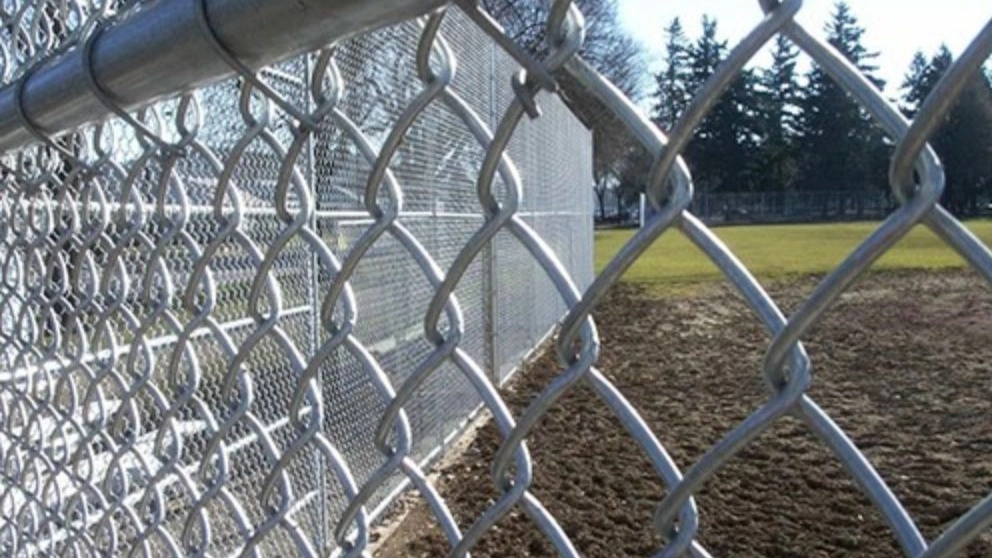
Fence mesh is produced with an automatic or semi-automatic machine
- In the automatic machine, the machine is adjusted to certain dimensions and the coiled wire (roll) is installed on the machine and the machine is automatic. He weaves the fence and collects it in the form of a rolled coil at the end of the machine.
- The method of semi-automatic device, which basically uses a simple and handmade Kanella device that has a dynamo and an output, and an operator selects a template according to each size of fence netting and installs it on the device and with Installing the coil of wire on the dynamo starts to produce a fence net. And at the end, he manually wraps the lace roll.
The appearance of the fence lace (fence):
Fence mesh basically has a width and length that are the same dimensions as the mesh, and also the spring, which is the shape of the fence mesh texture in different springs, the springs are either 5 x 5 cm, 5.5 cm or 6 cm. And it is 6.5 cm, 7 cm and 7.5 cm
The fence net is packed in the form of a roll, and these rolls can be produced in widths from 1 meter to 3 meters and also in lengths of 15 It is produced up to 20 meters, which is packed in coils or rolls because it takes less space