In this method, soil drainage and aeration are improved. High-temperature steam causes the formation of cement-like materials that bind small soil particles together and form large particles and improve soil structure. If the soil is plowed after evaporation, the large soil particles will be converted into small particles and as a result drainage and aeration will be reduced. Verticillium is controlled in this method. Soil disinfection by steaming or fumigation with methyl bromide, chloropicrin, etc. is the most effective method to control soil-borne diseases in most vegetables and ornamental plants. Due to the high cost, vaporization is only used for some plants, and the use of fumigants in the soil is also often undesirable due to the adverse effects on humans and animals, leaving toxic residues in the soil, and the high cost.
*️⃣ chemical disinfection
Manufacturers who do not have the possibility to use a manual steam generator or do not want to use this system for some reason, use chemicals for disinfection They use their cultivation environment. Producers who handle produce in the field have realized the value of chemical fumigation because it is cheaper and faster than steam fumigation.
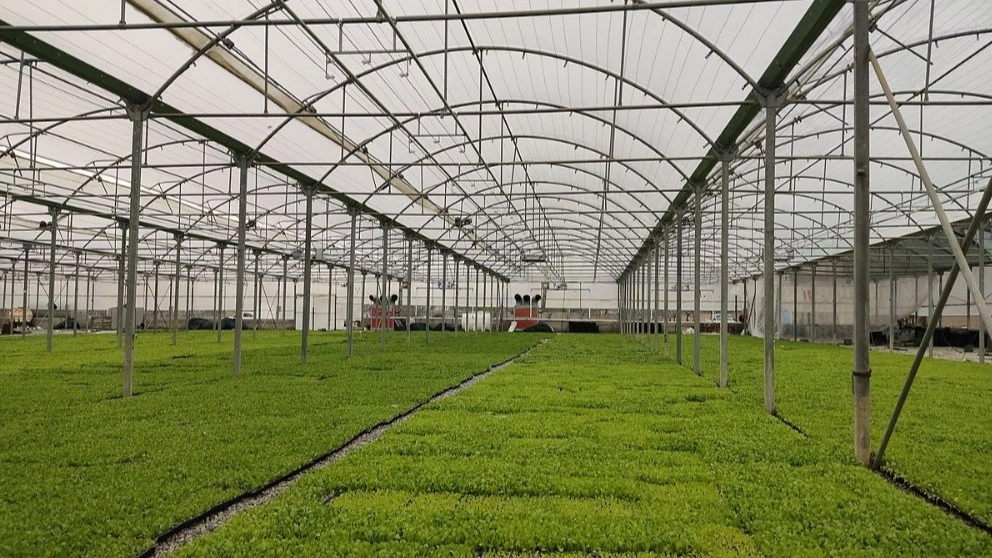
*️⃣ Disinfection with the sun (Soil Solarization)
Soil disinfection with the sun controls many soil-borne pathogens and pests. This simple technique traps the thermal energy of the sun and in this way causes physical, chemical and biological changes in the soil. Over a period of 2 to 8 weeks during the hot summer months, clear polyethylene plastic is placed over moist soil and the temperature of the soil under the plastic sheet increases to levels lethal to most soil-borne plant pathogens, weed seeds, nematodes, and some soil pests. . Solar disinfection of soil also increases plant nutrition by increasing the availability of nitrogen and other essential nutrients. Certain soil-borne plant diseases can be successfully controlled by solar radiation. Solar disinfection is a process in which the temperature of the soil is raised high enough to kill insects, disease-causing organisms, and weed seeds in the soil. Its effectiveness depends on the richness of the soil and maintaining a sufficiently high temperature in a continuous period of time.