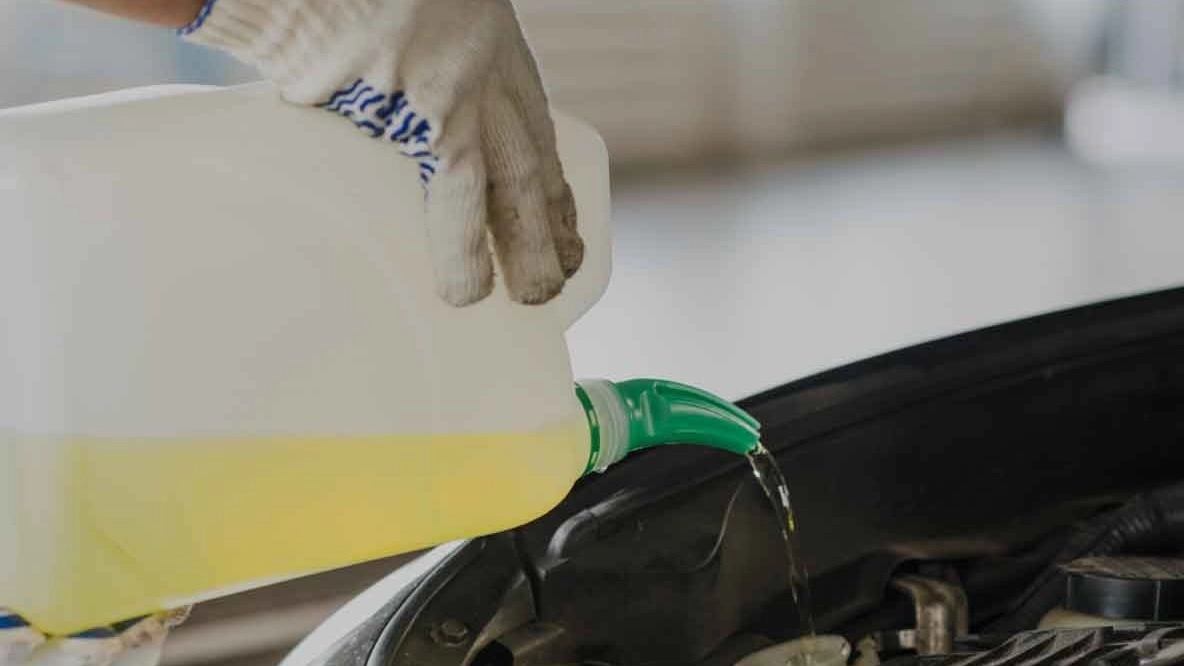




Engine oil is a vital component for the proper operation and longevity of internal combustion engines, whether they are used in cars, trucks, motorcycles, or other machinery. Like lawnmowers and engine generators. In engines, there are parts that move against each other, and the friction between the parts causes useful power to be wasted by converting kinetic energy into heat. The result can be lower efficiency and engine damage. Therefore, in simple words, we can say that proper lubrication reduces fuel consumption, wasted power, and increases engine life.
What is the engine oil?
Let us define engine oil first. In terms of chemical formulation, these compounds consist of enhanced base oils with various additives and viscosity index improvers. In terms of function, their task is to clean the engine from sludge and detergents. It also neutralizes the acids caused by oxidation, which is the result of improving the sealing of the piston rings and cooling the engine. Motor oil can be mineral or synthetic, and depending on this, they can have different compositions of refined crude oil or polymers produced in the laboratory.
✔️ Mineral and artificial motor oil
✔️ Additives
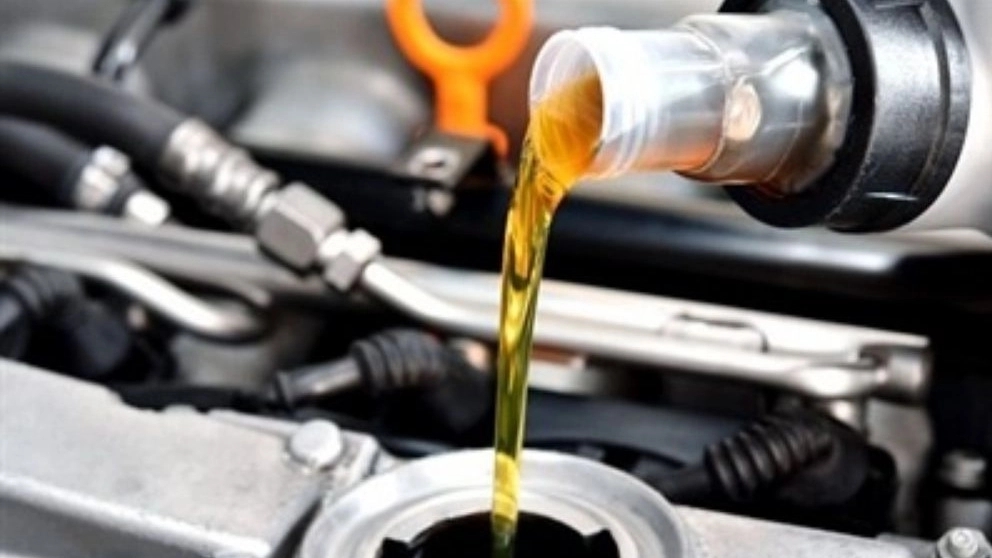
To ensure quality, performance and length Engine oil life Additives are added to both mineral and synthetic oils. Additives must be mixed with the base oil to work effectively. The proportion of additives in the base oil can be up to 20%. These compounds are oil-soluble components that give the oil additional properties that it did not have before. The purpose of using additives in engine oil is:
improving the performance of surfaces, for example, preventing wear and corrosion
oil protection eg antifoam additives to prevent foaming and oxygen ingress
quality improvement Oil, for example, improves the viscosity index
✔️ All kinds of additives and their role in motor oil
Oxidation inhibitor additives: Over time, engine oil oxidizes. In this condition, engine parts are inefficiently lubricated. This is why engine oil should be changed regularly. However, the oxidation inhibitor additive slows down the oxidation process and improves the life of the engine oil.
Detergent or detergent additives: The main feature of this category of additives is to remove deposits and fine particles that are created on the surfaces when the vehicle is used. These additives prevent contaminants from sticking to components, especially hot components such as pistons or piston rings.
Dispersing additives: Dispersants are additives that keep the pollutant suspended in a fluid state. They act as a solvent, which is effective in maintaining the cleanliness of the oil and preventing the formation of sludge. Therefore, the accumulation of sediment on the engine parts is prevented and the sediments are transferred to the oil filter.
Antifoam additives: Using detergent additives can create foam on the oil surface. This prevents the engine parts from being properly lubricated by oil. An anti-foam additive is used to prevent this from happening.
Anti-wear additives: These are also called friction modifier additives. Antiwear additives add a layer of solid oil that lubricates the engine as soon as the car is started; Therefore, it prevents friction between parts. This additive is mostly used in mineral oils.
Corrosion Inhibiting Additives: The engine is made of metal parts that are sensitive to rust. Anti-corrosion additives protect parts from rust.
Viscosity index modifiers: These additives reduce the viscosity difference between cold oil and hot oil.
Antifreeze additives: These additives help the compatibility of different engine oils with their environment by changing the hardening temperature of the oil. In other words, they increase the fluidity of cold oil.
What is the function of engine oil?
What is the role of oil filters in engine oil operation?
There are different types of contaminants that can enter engine oil and most of them have destructive potential. These include water, glycol, fuel, improper oil, dirt, wear debris, etc. Solid pollutants are generally known as the most destructive pollutants. The oil filter is an essential component in the lubrication system of the internal combustion engine, whose main task is to remove pollutants and impurities from the engine oil while circulating in the engine. The oil filter plays an important role in maintaining the cleanliness and efficiency of the engine oil, which in turn helps to protect the internal components of the engine and increase its life. How the oil filter works is as follows:
Filtration: As engine oil is pumped through the engine, it carries with it various contaminants and particles such as dirt, metal particles, carbon deposits and sludge. The oil filter is strategically placed in the oil circulation path and traps these contaminants with a filter media that is usually designed from pleated paper, synthetic fibers, or a combination of materials.
Contaminant Removal: As the oil passes through the filter, the filter media captures and retains the unwanted particles while allowing clean oil to pass through. This process effectively removes impurities from the oil and prevents them from circulating in the engine and causing damage.
Maintenance of oil quality: By removing contaminants, the oil filter helps to maintain the quality of engine oil. Clean oil is very important to reduce friction, cool the engine and prevent wear and tear on vital engine components.
Filter replacement: Over time, the filter medium becomes saturated with trapped pollutants and its efficiency decreases. Therefore, to ensure continuous protection of the engine, it is necessary to change the oil filter regularly.
Oil filters come in different types and sizes for different engine designs and applications. There are two main categories of oil filters:
Rotary oil filters: They are the most common type of oil filter. They are usually a cylindrical can with threads that screw onto the engine block. Rotary filters are relatively easy to replace during routine maintenance.
Cartridge Oil Filters: On some engines, especially older or larger engines, the oil filter consists of a replaceable filter element that sits inside a permanent filter housing. The cartridge filter element is removed and replaced during filter service.
How do we know that engine oil should be changed?
The frequency of changing your engine oil depends on many factors, including the make, model, type of oil you use, your driving habits, and the manufacturer's recommendations. However, there are some general guidelines to consider:
Manufacturer's Recommendations: The most reliable source for determining oil change intervals is your vehicle's owner's manual. Manufacturers determine the recommended oil change interval based on their engineering and testing. This interval usually ranges from every 3,000 to 10,000 miles (4,800 to 16,000 km) or every 3 to 12 months, depending on the type of vehicle and oil.
Oil Type: The type of oil you use also affects the oil change interval. Conventional oils usually require more frequent changes compared to synthetic oils. Synthetic oils generally provide better protection and last longer.
Driving Conditions: If you regularly drive in harsh conditions, such as extreme heat, cold or stop-and-go traffic, you may need to change your oil more frequently. Towing heavy loads or driving off-road can also put more strain on the engine and require more frequent oil changes.
Oil Life Monitoring Systems: Some modern cars are equipped with oil life monitoring systems that analyze driving conditions and oil quality to provide more accurate recommendations for when to change the oil. Be sure to use the guidance provided by these systems.
Regular Checks: It's good practice to check your oil level and condition regularly, even between scheduled oil changes. If you notice that the oil is low or too dirty, change it soon.
How to replace engine oil?
Follow the manufacturer's instructions: Every car's oil change is different. It is very important to follow your manufacturer's instructions in terms of the type, quantity or composition of oil required. For example, if you put the wrong oil in your car, it can lead to reduced lubrication and a generally shorter engine life. Spend more time researching what your car needs.
Ensure proper weight: All engines have a specific weight of oil that should be used in each specific engine. In most modern cars, the weight is shown on the oil cap under the hood. If not, there may be a small sticker indicating what your engine needs. The weight of your oil should always match the weight recommended by the manufacturer.
Wear the right protective gear: When changing oil at home, it's essential to have the right protective equipment and gear to ensure a safe, clean, and stress-free change. It's a good idea to wear rubber gloves and have plenty of clean towels available to quickly wipe up any oil you may come in contact with. Also, we recommend using a tarp or similar under the oil pan to protect against unwanted spills.
Let your car cool down: Whenever you plan to do something on your vehicle, you need to know about the car cooling down. If you want to warm up the oil, you can run your car for 2 minutes to warm the oil up enough to flow easily, but not enough to cause damage.
Use the right tools: for example, you need the right drain pan. Oil filters can also be very difficult to remove, especially if your hands are covered in oil. In this case, you will also need tools such as ratchet wrenches or 3-jaw adjustable wrenches.
Make sure the filter seals: One of the most common oil change mistakes is not letting the new oil filter dry. When the new filter becomes wet again, the seal is weakened, which can lead to the filters loosening and leaking. Always make sure to fill the filter halfway with oil and then spread a little around the filter to ensure a perfect seal.
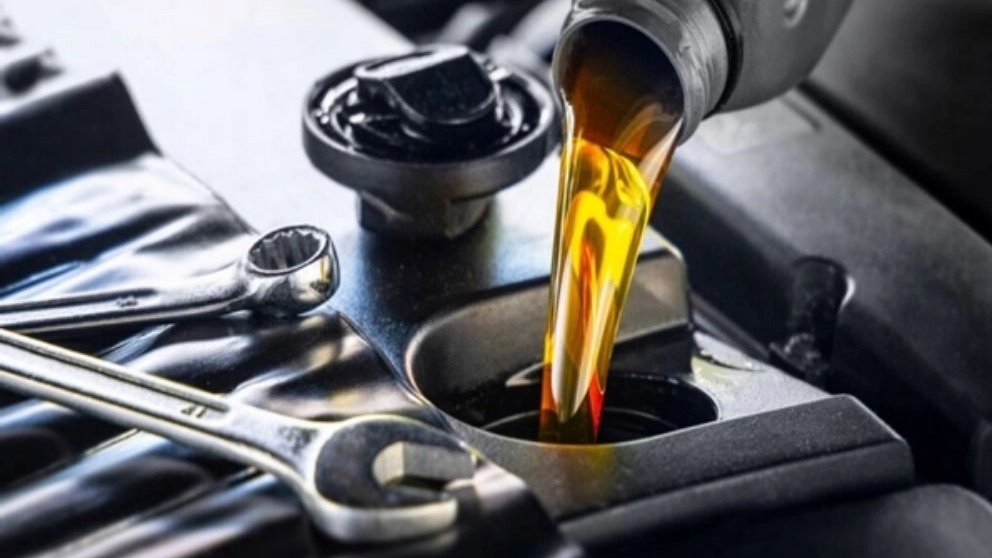
Get the oil into the engine correctly: Using an effective funnel and pouring the oil at the correct angle will help with this. Always make sure to turn the spout so that it is on top of the funnel and start pouring slowly. This helps to ensure that air does not cause problems when pouring oil into the engine.
Dispose of old oil responsibly: Used motor oil should always be disposed of properly and responsibly. Many local auto shops may be able to take this oil and properly recycle or treat it.