


How is sand produced?
One of the most widely used materials in the construction industry, road construction, building construction, etc. is sand, which plays an important role in various parts of our lives. As a result of crushing or abrasion of stones, small stones are created which are called sand. In nature, rocks are turned into small particles due to exposure to wind, rain or strong storms, and these particles with dimensions smaller than 2 mm are called sand, but there is another way to produce sand, and that is the production of this The products are in the factory. Maybe you have a question about how sand is produced?
Before dealing with the method of producing sand, it is better to get to know the difference between the two.
Sand : Stones with dimensions between 4 and 60 mm are called sand, which can be formed in two natural or artificial ways. According to the way sand is formed, these stones can be made of any mineral and stone, and depending on the place of formation, they can be seen in round, angular, etc.
Sand: Small stones that are less than 4 mm in size are called sand and can be considered as a reduced form of sand.< /p>
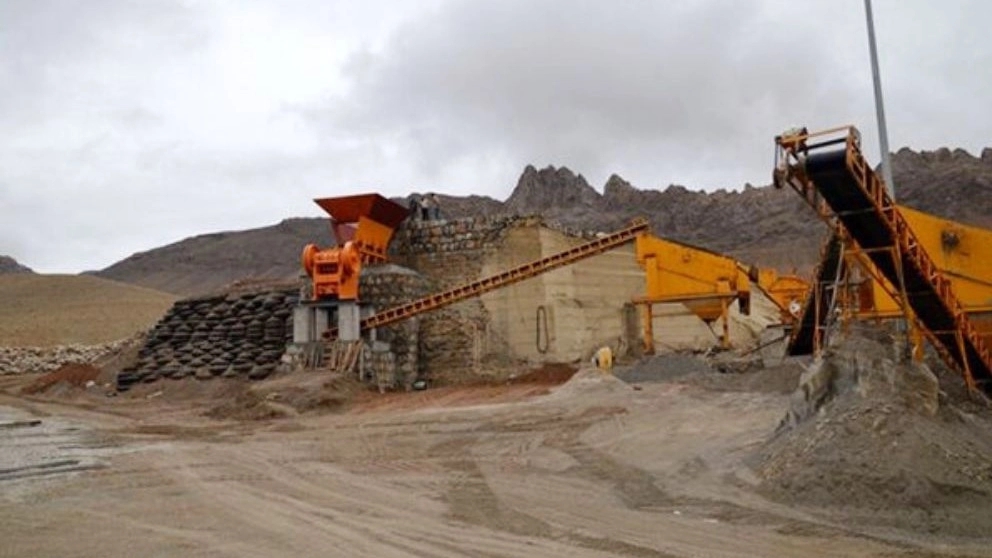
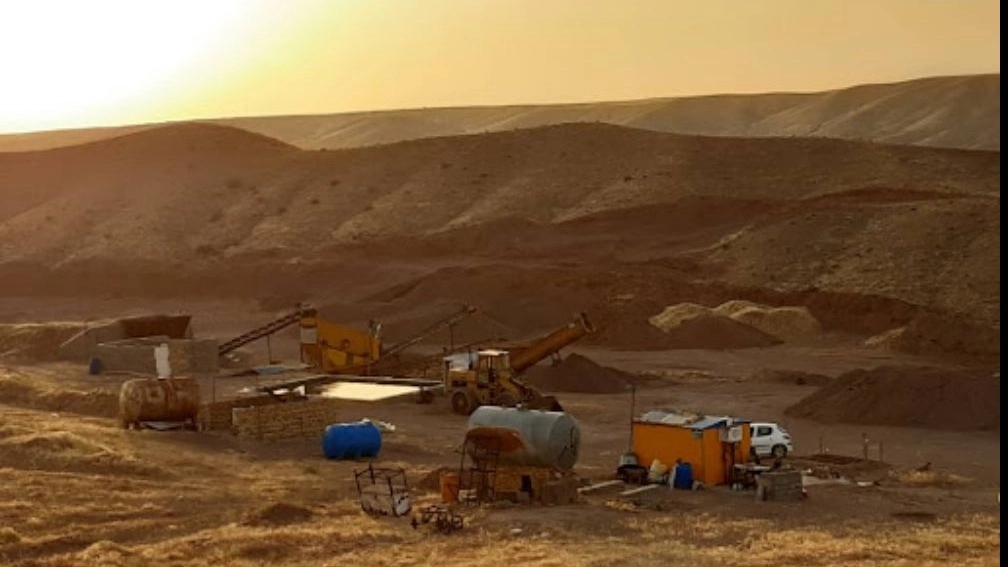
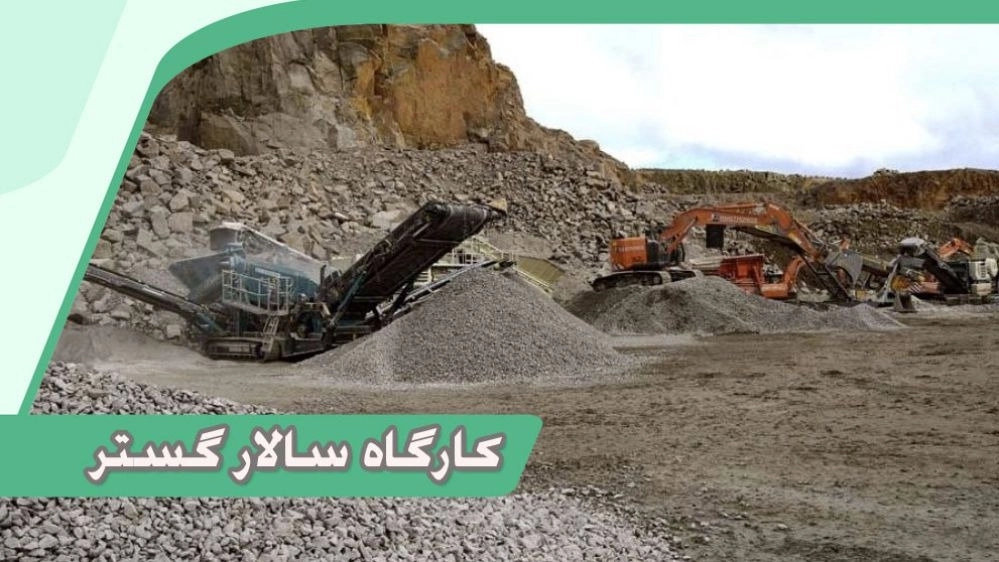
Artificial sand production: To produce sand in factories, first the stones extracted from the mines are directed to the factory. Inside the factory, the stone is washed or its impurities are removed by the devices installed in the production line. Mineral stones are crushed with the help of stone crushers and their dimensions are reduced enough to be ready for use in construction and construction industries. Depending on their location, stone crushers are classified into three categories: primary stone crusher, secondary stone crusher, and tertiary stone crusher, each of which has the ability to crush stones to certain dimensions. The most important equipment used in sand production lines are: Jaw crusher: The first device that is placed in the sand production lines is the jaw crusher. This stone crusher has the ability to crush all kinds of mineral stones and reduce their dimensions to a significant extent. The operation of shrinking the stones in this device is done by moving the movable jaw towards the fixed jaw. Qubit stone crusher: After the stones come out of the jaw crusher, it is necessary to perform another operation on them to reduce the output size. For this, the stones enter a device called a qubit, which uses a hammer and a hammer to shrink the stones. Upon entering the qubit, the stones collided with a rotor covered with a hammer, and with the help of the hammer particles, their size was reduced and thrown towards the anvil. There are parts installed inside the anvil that reduce their size when they hit the stone. Sand makers: in sand production factories, in addition to the stone crushers installed in the first and second stages, they use stone crushers called sand makers, which greatly reduce the size of the stones and prepare them for use in other industries. Sand makers are divided into pocket sand makers, rabbit sand makers, rock and rock sand makers, etc., depending on the internal structure and how they work. Salty sand: To increase the quality of the produced sand, they use a salty sand machine to remove the soil placed on the stones. Dryer: After leaving the salt sand, the stones are directed to the dryer to remove their moisture. Conveyor belt: inside manufacturing factories, conveyor belts are used to move products. This work will increase the speed of the production line and reduce the financial and human damages, and on the other hand, at the end of the day, the amount of the produced product can be estimated.