

What is Granu? How is the production of polymer granules?
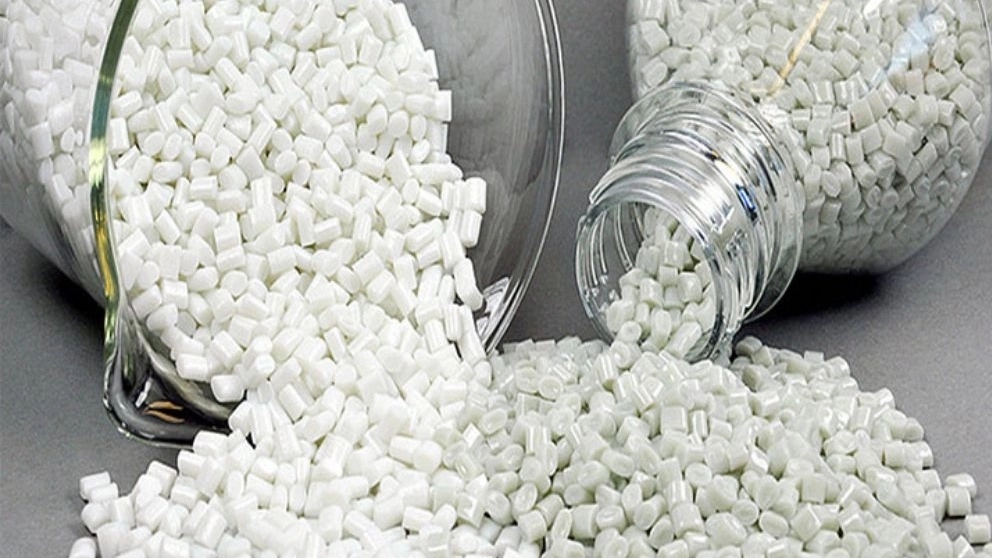
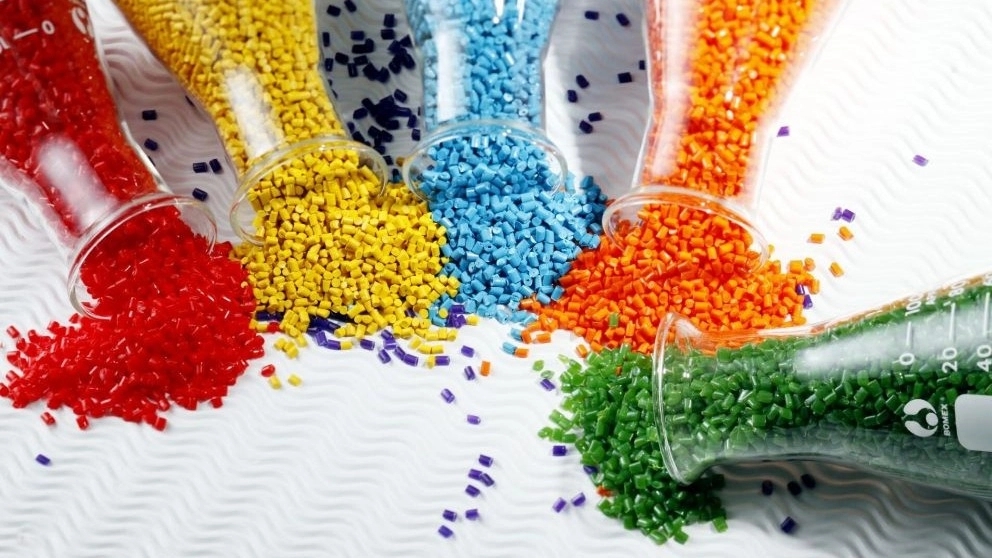
Granule is not the name of a specific polymer. A type of polymer form obtained in petrochemicals, which is in the form of grains and must be melted and shaped for use, is called granule. The polymer produced is melted in an extruder (something like a meat grinder) and a cutter or something like that cuts the output polymer regularly in the extruder head and granules are produced.All polymer materials can be converted into granules depending on the application and viscosity and other factors such as the type of polymerization and... But if the conditions of polymerization and other factors are complex, the polymer is produced as powder or solution or....
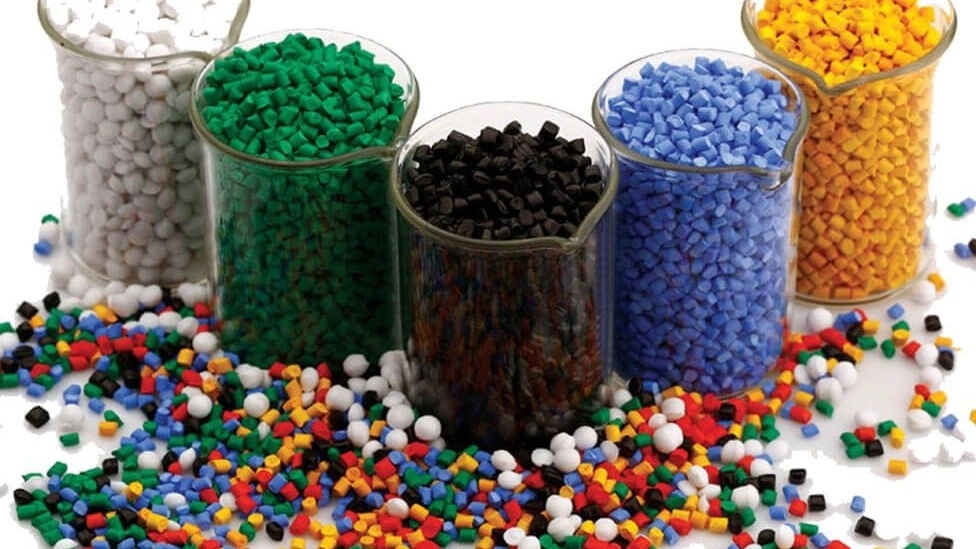
Plastic granules are small balls of plastic that are poured into different plastic forming machines and turned into different types of parts. Plastic processing (including various extrusion and injection lines, etc.) are made in such a way that it is better for their input raw materials to be in the form of small plastic pellets.Recycled plastic materials that are ground and have sheet shapes or sharp corners cannot be easily used in the input funnels of these machines, and of course, the mixing time is also due to the non-uniformity of their size with other materials. They have a non-uniform composition.So the consumers of these materials prefer their purchased materials, such as new raw materials, in the form of granules or pellets. small plastic ones, which is done by a line called granule production line.
These lines work in two ways: The first method: String granule production lines: String granule production, which is easier to make and is usually used in Iran, is a method in which plastic, after melting in an extruder and passing through metal sieves, is shaped into Strands of molten plastic are sent through a water pool into a small mill and dried after being cut into pieces. This method is simple, but the granules produced with it are not similar to the granules of new raw materials and have There are sharp corners and pieces of plastic. The line itself is not stable and the threads are constantly cut and requires a full-time operator. The second method: dry granule production lines: in this method, after melting in the extruder and passing through the filter, the crushed plastics are removed from the fine holes and in the same molten form by a blade that cuts at a high speed and at the same time by A sucker is sucked in and cools and dries by passing through pipe paths. Then, when it enters a larger tank, it experiences a pressure drop, and due to this pressure drop, the granules, which are heavier, fall to the bottom of the tank and the air comes out from above. Its equipment needs higher precision and remote controls should be used in its various parts. The overall price of the line is higher, but the granules produced are very similar to the granules purchased from petrochemicals, and the production line itself is completely stable during operation. Rani is the last stage of many plastic recycling lines. Extruders usually receive uniform material. If the recycling line does not function properly in the cleaning and drying stages, the extractor will not function properly either. This problem usually happens in other stages of the recycling line. A strong and big screen changer because sometimes, if the material is not washed well and this will happen and the product has to be taken anyway, a big screen changer will help a lot.
Types of polyethylene that are currently produced in the industry are divided into the following categories: High Density Polyethylene (HDPE) Low density polyethylene (LDPE) Linear light polyethylene (LLDPE) Very light polyethylene (VLDPE) Cross-linked polyethylene (XLPE) Ethylene-vinyl ester copolymers