
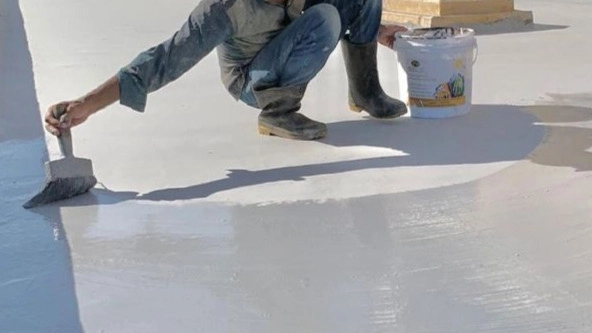
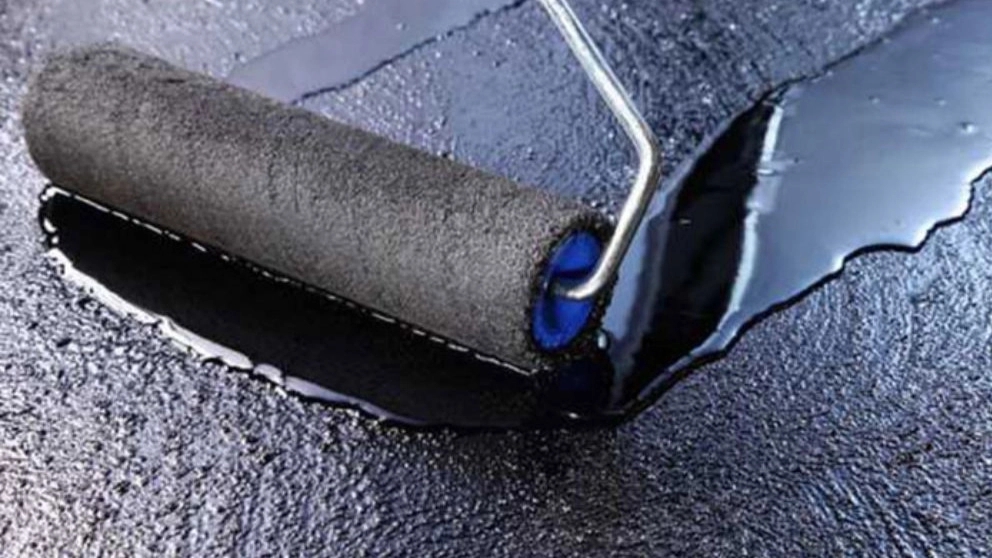
This type of waterproofing is single-component and modified with some water-based polymers. You can use them in various uses, including bathrooms, building roofs, and generally the floors of structures that are exposed to moisture. Of course, bituminous insulation can also be used on buried surfaces. To get more thicknesses, you can use a layer of hemp or fiberglass between the two paint membranes to multiply the resistance and strength of the waterproofing. Applying them in multiple layers is only in situations where you want to have a thickness greater than one millimeter. Water-based acrylic waterproofing insulation. Cold humidity is an acrylic performance without any bituminous materials or derivatives. This product has high flexibility and is formulated and prepared based on acrylic resins. These insulators are completely single-component, and this feature can make their implementation conditions easy. You can use this liquid waterproofing for different surfaces including plaster, cement, concrete and also metals.
Cold waterproofing or cold insulation are coatings that are used to protect different surfaces against moisture. What is extremely important about this type of waterproofing and can be considered as a valuable advantage is their implementation without applying heat. Cold application of a waterproofing is completely economical in terms of time and cost compared to the coatings that were applied with heat in the past. The moisture insulations that were used in the past included bituminous coatings with high heat application.
Cold Waterproofing Types
Cold waterproofing can be classified into two types of waterproofing based on bitumen and polymer, as well as flexible water-based acrylic waterproofing. Each of these are different from each other in terms of technical details as well as structural features, and we will provide complete information about each one separately.
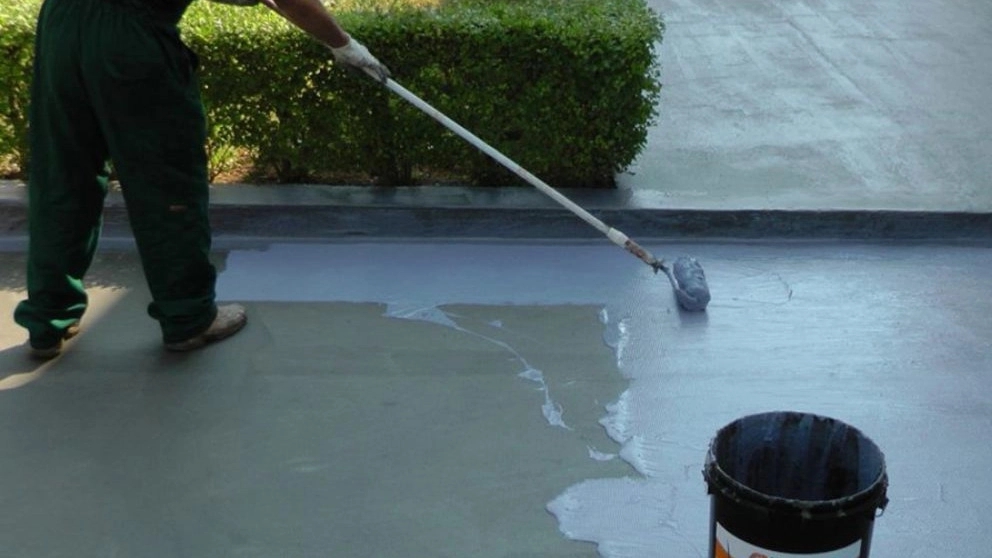
Cold Moisture Insulation Features and Characteristics
Bituminous insulation
As its name suggests, bituminous insulation has a matte black color. Their consumption amount is not so high so that you can use about 1600 grams of paint to cover each square meter of the area. Of course, keep in mind that you have to apply a thickness of 1 mm to achieve this amount of consumption. For multi-layer coatings, you will have to use about 2400 grams of insulation to cover each square meter. Celsius is about two hours. However, if the temperature rises to 40 degrees, you should use these colors up to 1.5 hours after preparation. The initial setting time of the colors happens after about 7 hours, but you need 7 days for the final setting. It is cold white acrylic. But they also have other different colors. They are environmentally friendly and the operating technicians do not have to worry about their flammability as well as their toxicity. Because the materials are neither flammable nor have toxic compounds harmful to the environment. These insulators are very flexible. so that they can be compressed against the application of force and even after drying and return to their original state.
Post Author
2372
common:article
Similar Posts
Contents of this post
Cold Waterproofing Types
Cold Moisture Insulation Features and Characteristics