
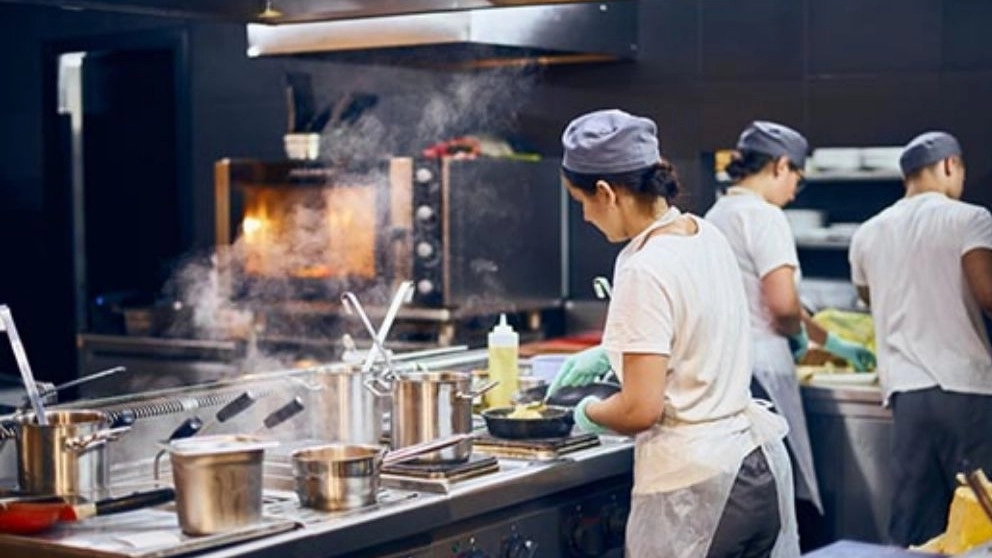




Restaurant Kitchen Management
It's impossible to say exactly what kinds of challenges will present themselves throughout the day in a restaurant, but here are just some of the typical tasks you can expect to have on your to-do list. Food preparation, cooking methods, plating, serving size and temperature. Ultimately, it is your responsibility to ensure that all food meets quality and safety standards before being sent to the customer.
Schedule kitchen and staff shifts. This can be especially challenging in restaurants, when there are slow and busy periods throughout the day and week.
Work with the chef and restaurant owner to make periodic changes to menu design, items, and pricing. Create a schedule.
Supervise issues related to compliance with hygiene rules regarding cleanliness, proper food storage practices, etc.
Track and manage inventory and report weekly and monthly expenses and necessary food orders.
Train employees. Even the most experienced service industry workers may be able to improve table turnover rates and use the right sales techniques to increase averages if given the right guidance.
Kitchen equipment and software and hardware systems in Update as necessary.
Managing a kitchen is an all-encompassing job that requires managers to play an active role in every part of the restaurant.
Let's take a closer look at the best ways to approach the various responsibilities of kitchen management to improve profits. A drink is required. While you never want to run out, you also don't want to order too much and end up with spoiled food. Developing an inventory management strategy is key to effective kitchen management.
Invest in the right equipment: You want your kitchen staff to be fully supported with the best equipment and technology. This simplifies the operation and makes things less messy. When employees have functional tools readily available, they can focus on preparing better food and providing excellent customer service.
Equipment Maintenance:Restaurants are busy places and burnout is avoided. It is inescapable. The more you can service the equipment, the longer it will last. Make sure you follow the manufacturer's recommendations for cleaning and maintenance so you don't end up with big repair or replacement bills.
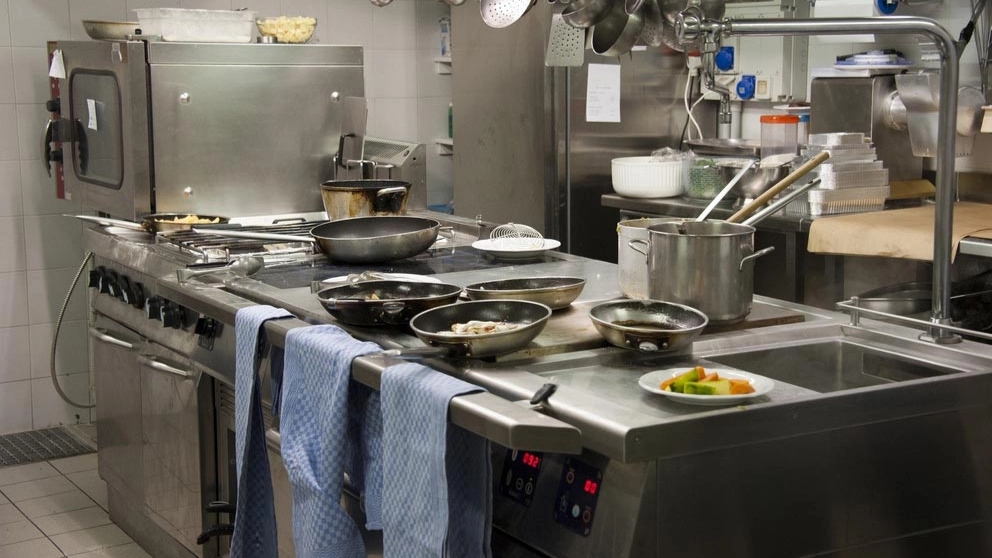
Menu Management:Work with other staff to introduce the type of food you want to serve. A smaller, more specific menu can help build your brand and make life easier for all employees.
Make smart hiring decisions for better kitchen management:These are the people who run the restaurant and kitchen. They keep you active. Look for people who are interested in the industry, not just those who need a job. The right people will be able to help create new dishes, make suggestions for improving processes, and help create a more positive work environment. Also, take the time to train them on the different stages of the service so they are set up for success from the start. It can play an important role in employee retention. Be sure to give the staff plenty of time to prepare before starting the service. Make sure everyone knows what needs to be done, the goals for the day, and the role they will play. It's also important to consider people's scheduling needs and try to accommodate when their schedules are set up for specific situations.