


Hydraulic Sprinkle Help
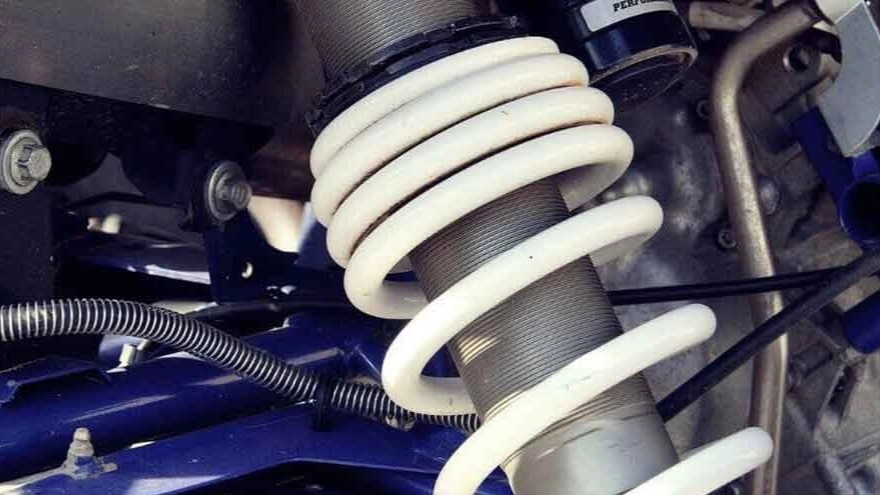
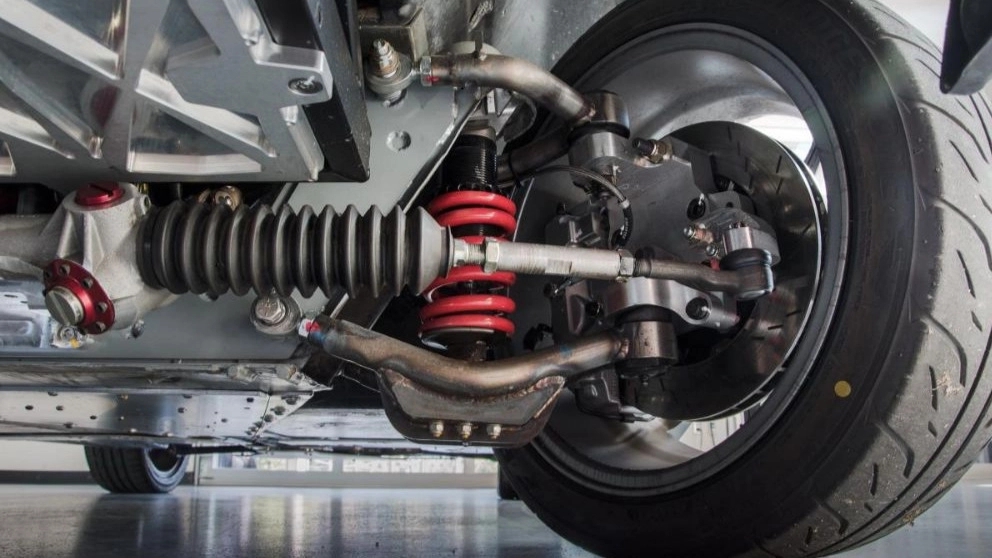
Hydraulic shock absorbers work by circulating oil through the holes and springs in the shock absorber's piston and compression head, creating a resistance that is responsible for the compression and expansion forces (with use can be heated). In this way, the shock absorber controls the movement of the suspension system and as a result brings comfort and safety while driving.
Adjustable shock absorbers
They are adjustable to fine-tune the suspension system depending on the needs of the road and the needs of the pilot. They are adjustable in 3 modes: normal, hard and super hard. The spring preload determines the starting point of the shock absorber. With the same spring and preload adjustment, it is possible to determine whether the motorcycle is higher in its initial position or, on the contrary, lowered.
How do gas springs work?
The reason for the existence of these types of shock absorbers is to create more comfort and safety for the rider when moving the motorcycle, absorbing the fluctuations and compressions created by the spring to create driving comfort. They are able to keep the vertical loads of the motorcycle on the wheel, thus improving the grip on the pavement.
Basically, gas shock absorbers solve the problem of operation by air and oil inside the piston and mix oil with gas. to create a compressible emulsion.
Different types of gas shocks can be found and vary in performance, for example creating a gas chamber, placing a sliding piston inside the shock that It separates the oil chamber and the gas chamber. In more current and more advantageous designs, there is an air chamber or bottle on the outside of the shock absorber to facilitate cooling. It can be connected directly to the shock absorber or connected by hydraulic hose.
When to replace the springs?
❁ Excessive lean when braking.
❁ Instability.
❁ Noticeable instability in curves, even if they are not very pronounced.
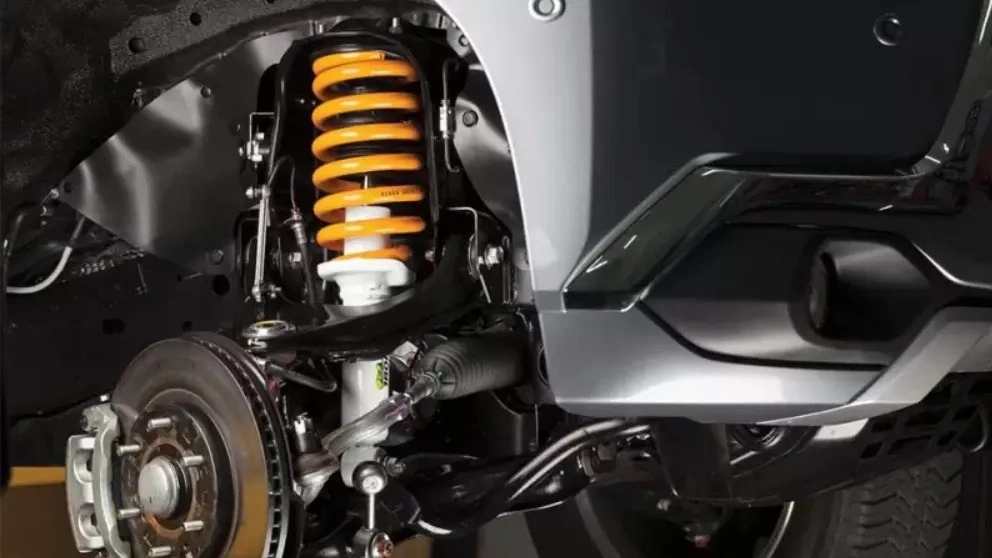
❁ General damage to the shock absorbers, whether in impact, worn or dry parts, bent piston, oil leakage, corrosion, etc.