
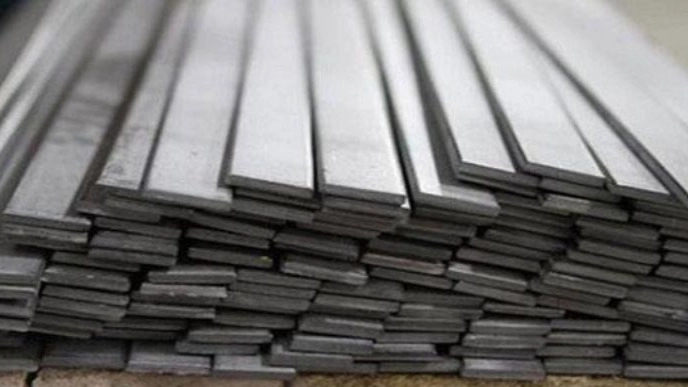
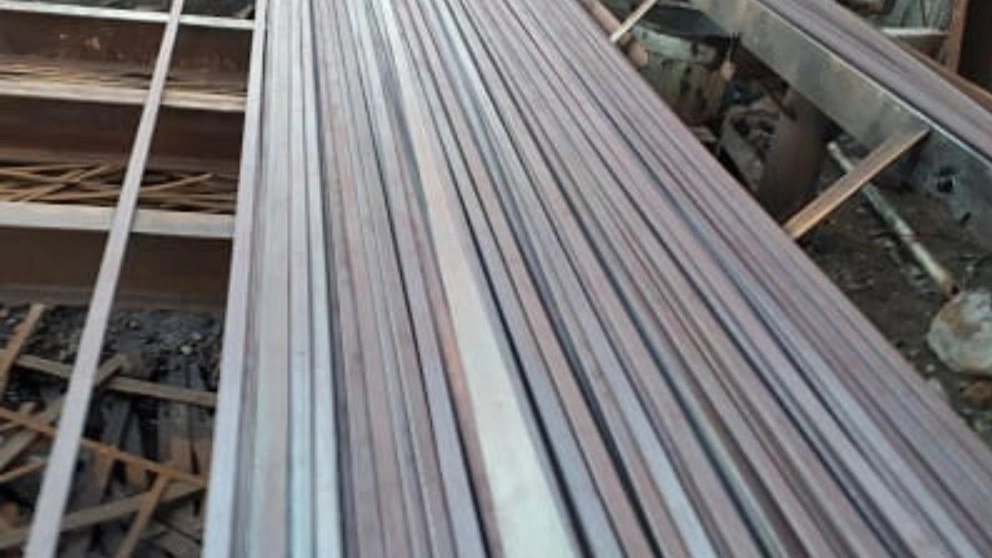

The climbing belt is one of the types of steel belts that has many uses. The same method of machining belt production is used for belt production, with the difference that the raw materials used in belt production are recycled materials and iron waste.
What is a climbing belt?
This type of iron belt is the cheapest and most widely used model among all types of iron belts. Rolling belt is made by hot rolling method and made of iron parts. The advantage of this type of iron belts is that according to the user's demand, it can be produced in various sizes and dimensions according to the order. Due to this problem, some of them may be a bit harder and some of them may be be more flexible This feature makes the behavior of the metal not the same during the production of parts and has a negative effect on the appearance and performance of the manufactured product. Another problem of belt rolling is its high probability of oxidation. Usually, when you buy the belt, a layer of iron oxide can be seen on it, which of course can be peeled off.
History of Production of Climbing
The starting point for the production and use of climbing belts was in the 19th century in Russia. After the production of rope climbing, Russia was able to introduce and export this product to the world, but it should be noted that after a few decades, China and India were able to follow Russia's footsteps and include rope climbing in their production line.
Today, the competition between countries in this field is very heavy, however, China ranks first in the production of steel products in the world. Belt climbing is widely used due to its low cost, but its quality is low compared to other steel products. It should also be said that Iran's neighboring countries strongly demand the import of this belt from Iran.
Types of Climbing Belt
When steel ingots are folded into long wire-like structures, steel bars are formed. These have all the features of steel belts like quality and strength. They are significantly used in building construction. But according to their shape and size, they can be used in military weapons, vehicle construction, etc.
The most famous types of climbing belts are TMT rebars. Steel belts are the product of the second stage produced during the time process of making steel bars. Crude steel cannot be used in its pure form. It must be shaped before use. The newly created steel, which is still in the form of metal bars or squares, is called steel strip. Belts have no reasonable use until they are shaped into increasingly useful shapes and sizes.
Applications of Climbing
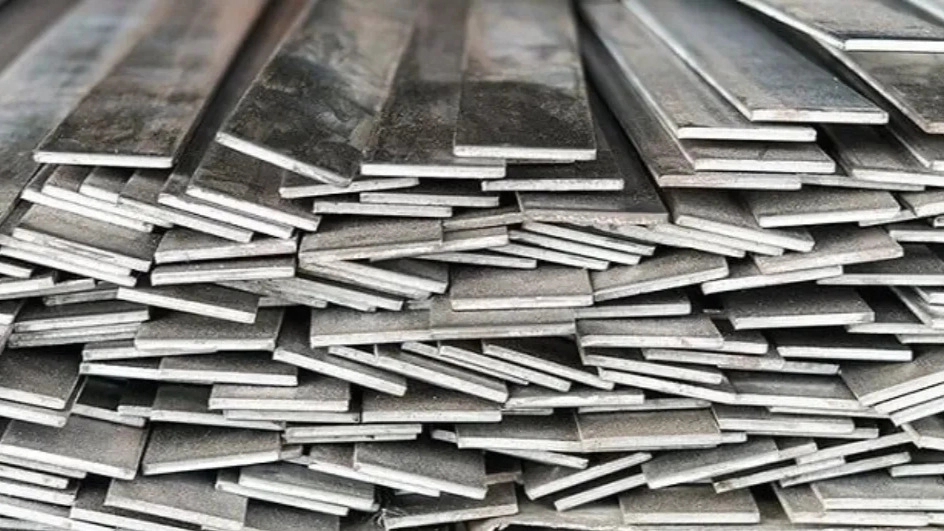
Steel belts are the product of the second stage of sand production, which is delivered during the process of making steel bars. Before available steel products can be sold, the steel must first be converted into functional parts. Crude steel cannot be useful while in its pure structure it must be formed in this way. Newly made steel, still in bar or square form, is called a rolling strap.
Straps are not commonly used until they are framed into useful shapes and sizes. Once formed, they are sold in hardware stores or used for various applications. Some of the common applications of climbing belts are as follows:
- Steel belts are used for the next stages of metal casting.
- Steel belts are used as raw material or raw materials in extrusion, forging, rolling and other metal processing applications.
- It is used to create rods and sections in special shapes.
- It is used as a sleeve or cylindrical tube. Machining is used.
- Can be used for fasteners, machined parts, milled parts, machined parts, precision and pars parts, etc.
- Steel ingots are also used in valves, pumps, propellers. , bearings, sleeves, mechanical parts, etc. are used.
- For various projects on a small to large scale.