
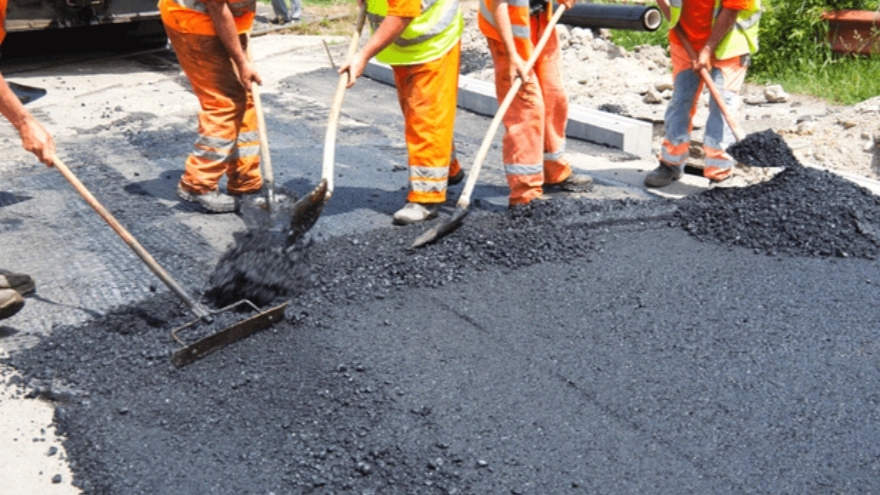
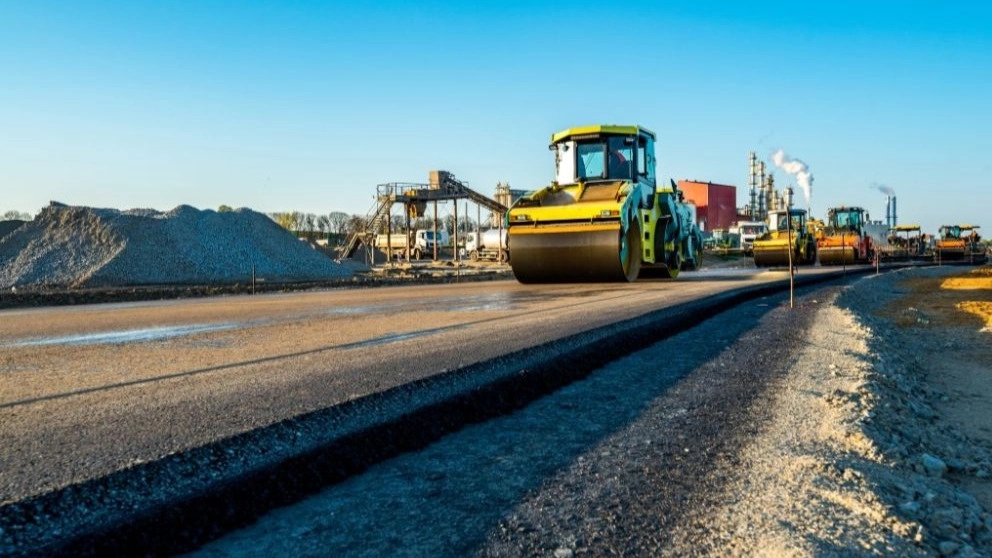
Asphalt is a semi-solid material consisting of sand and bitumen. The size and type of sand and bitumen used in asphalt is different depending on the place of use and its climatic and functional conditions. and highways are different.
Also, depending on the conditions, several types of asphalt with different compositions may be used on top of each other in order to reduce the price of street asphalt and increase its life.
type and size of sand used in asphalt
The minimum thickness of sand used in asphalt is 15 mm. These sands may be broken using machinery or natural and washed sand may be used for this purpose.
The size of the sands used in asphalt production may increase up to 40 mm. The use of different sizes and shapes of sand may cause empty spaces between the asphalt, and as a result, its volume is greater than the raw materials used in production. Asphalts with empty internal spaces are used for infrastructure. and for protection and surface on the road, higher quality asphalts are used so that it lasts longer.
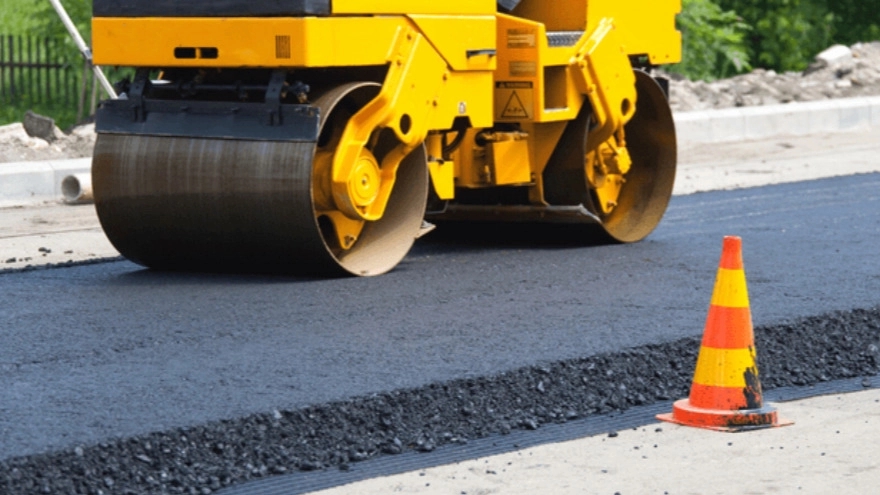
Types of bitumen used in asphalt production
For the production of asphalt in the factory or at the installation site, bitumen with different degrees of fluidity, known as quick-setting bitumen and slow-setting bitumen, are used. After mixing with liquid materials such as gasoline, oil or diesel, bitumen takes a fluid form so that it can be mixed with gravel and sand. After the evaporation of the auxiliary material used in bitumen, asphalt becomes semi-solid. For this reason, it is necessary to refrain from walking on it for a few hours after applying the asphalt, depending on the type of bitumen.