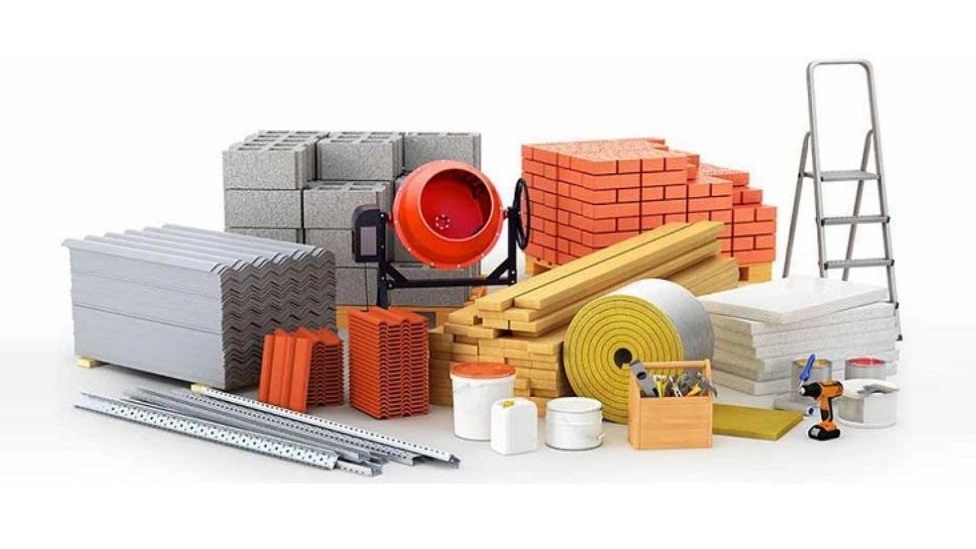



🔰 Natural building materials
Natural materials are things that are not processed or minimally processed by industries. such as wood.
Synthetic materials are made in industrial environments after many human manipulations, such as plastic and petroleum paints.
Both have their uses.
Mud plants, stones and Fibers are the most important materials, except for tents made of flexible materials such as cloth or leather. People all over the world use
these three materials together to create houses that suit their local climate conditions.
Generally, stone or brush as the basic structural components in this building are used, while mud is used to fill the space between, as a kind of concrete and insulation.
🔰 Fabric
In the past, the tent was the place of choice for nomadic groups around the world. Two well-known types include the conical teepee and the circular yurt. With the development of tensile architecture and synthetic fabrics, it has been revived as a major construction technique. Modern buildings can be made of flexible materials such as fabric membranes and supported by steel or internal cable systems (air pressure). The amount of each material used leads to different building styles. The determining factor is usually related to the quality of the soil used. This type of building material creates a wall that was once made by hand compacting clay between boards, now using mechanical pneumatic forms and compressors.
🔰 Stone
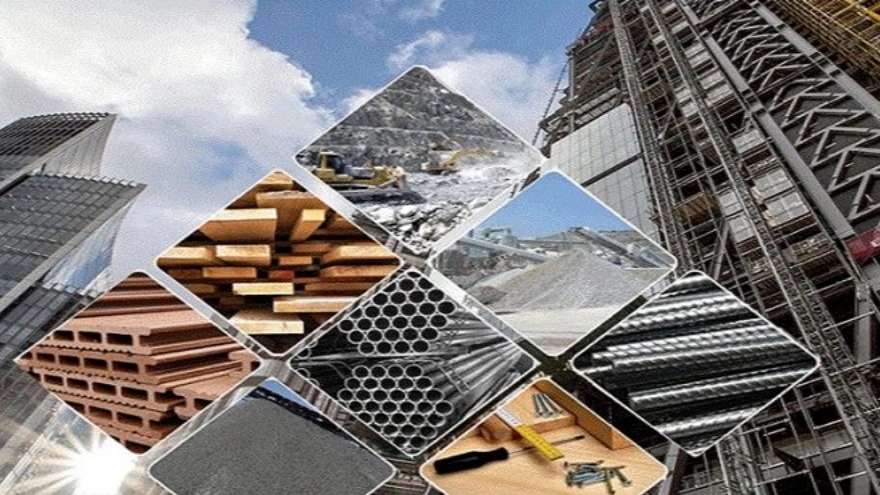
Stone structures have been around for as long as history can remember. Stone is the most durable type of building material and is usually easily available. There are many different types of rock around the world, all of which have different characteristics that make them better or worse for certain uses. It is one of the oldest materials known. Grass is a good insulator and is easy to harvest. Many African tribes have lived year-round in houses made entirely of grass. In Europe, thatched roofs were once common on houses, but due to industrialization and better transportation, access to other materials increased.
Today, the practice is being revived. For example, in the Netherlands, many new buildings also have gabled roofs with special ridge tiles on top.
🔰 Brush
The brush structures are made entirely of plant parts and are generally found in tropical and subtropical areas such as rainforests, which are made of very large leaves in the building. can be used.
🔰 Ice
Ice was used by the Eskimos for polar houses, but also in ice hotels as a tourist attraction in Northern areas are used.
🔰 Wood
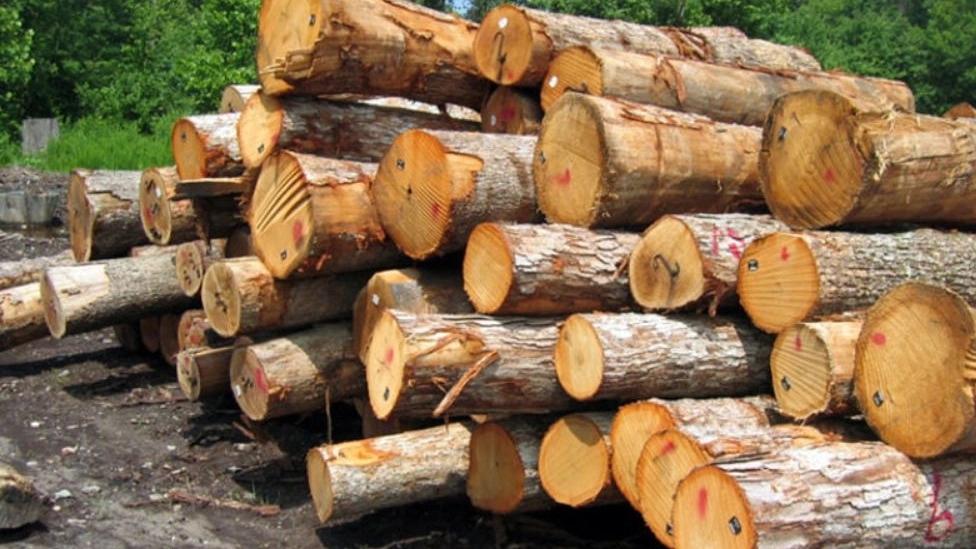
Wood is a product of trees and sometimes other fibrous plants that are used when cut or pressed into lumber and wood such as planks, boards and similar materials for construction purposes.
This material is a general type of construction and is used in construction in almost any type of construction in most climates.
🔰 Bricks and Blocks
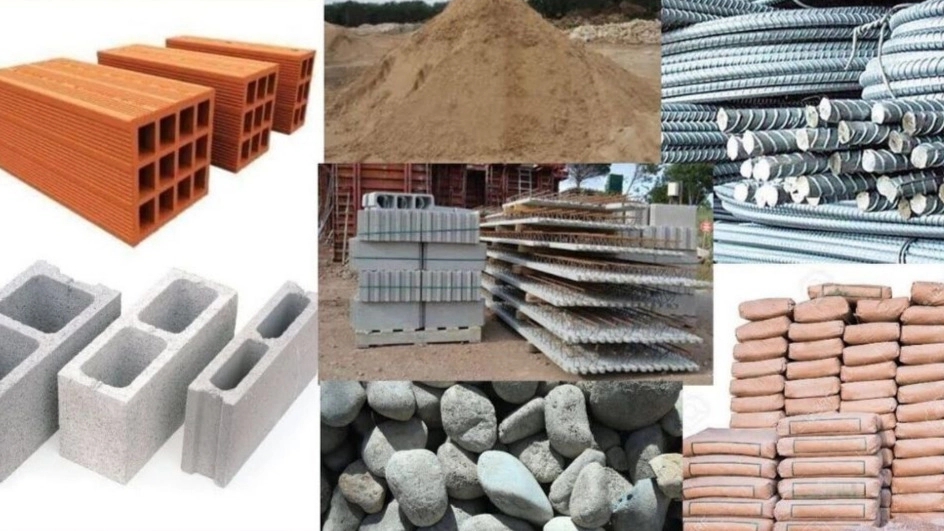
Bricks are blocks made from kiln materials, which are usually clay or shale, but may also contain less mud. Clay bricks are formed in molding (soft clay method) or in commercial production mostly by extruding.
Bricks were widely used as a building material in the 1700s, 1800s and 1900s. Another type of block that replaced adobe bricks in the late 20th century was the cinder block, which is mostly made of concrete.
🔰 Concrete
Concrete is one of the types of composite building materials, which is made from the combination of aggregates (composite) and glue such as cement. The most common form of concrete is Portland cement concrete, which consists of mineral aggregates (generally sand), Portland cement, and water. After mixing, the cement hydrates and finally becomes a solid stone material. or used as an external coating.
There are many types of metals that are used for construction. Steel is an alloy metal whose main element is iron and is a common choice for metal construction. Strong, flexible.
🔰 Glass
Since the invention of glass, transparent windows have been used to cover small openings in a building. They made it possible for humans to bring light into rooms. and at the same time prevent air from entering.
🔰 Ceramics
Ceramics are items such as tiles, lamps, etc. Ceramics are mostly used as lamps or coverings in buildings. Ceramic floor, walls, anti-electricity, even the ceiling. Many countries use ceramic roof tiles to cover many buildings.
🔰 Plastics
Plastics have high heat tolerance, hardness and resistance. Along with this compatibility, the overall uniformity of the composition and the lightness of the plastic ensure their use in almost all industrial applications today. Limited scale is used because it is light in weight, easily formed and an excellent insulator. It is usually used as part of a structural insulation panel where the floor is sandwiched between wood or cement.
🔰 Cement composites
Cement bonded composites are an important class of building materials. These products are made of hydrated cement paste that binds wood or identical particles or fibers together to form the building blocks of prefabricated buildings. Various fibrous materials including paper and fiberglass have been used as glue.