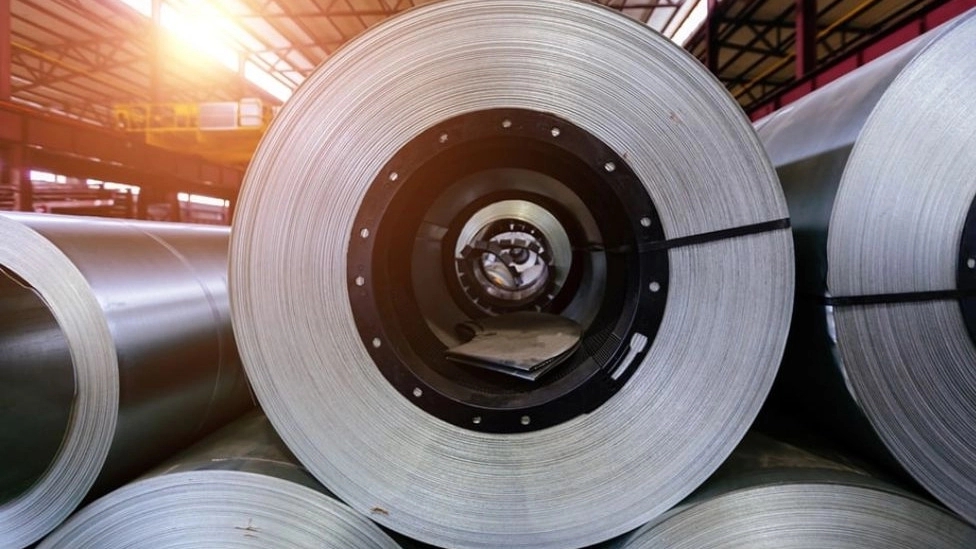
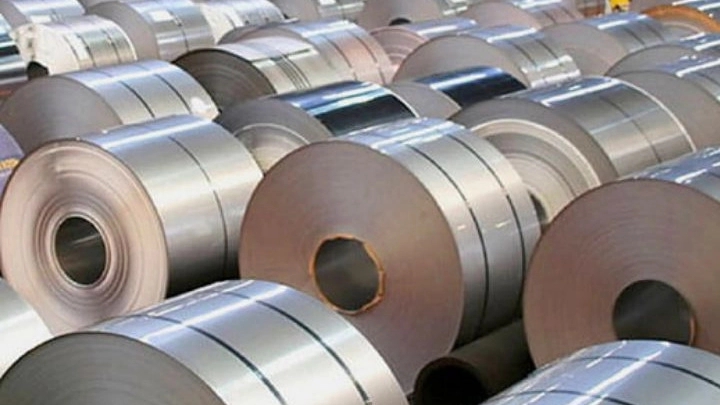
⭕️ Molybdenum alloy steel (Molybdenum with MO icon):
This element dissolves very easily in alpha and gamma iron and releases compound and double carbides. The addition of this element will increase resistance to corrosion, toughness and tensile strength, which are used to produce various machine tools, especially type A tool steel. In addition, the percentage of molybdenum element is between 0.2 and 0.5%.
⭕️ Nickel Alloy Steel (Nickel with Ni Symbol):
One of the most important elements in making an alloy is nickel, which is added to carbon steel and makes this alloy. The addition of this element increases tensile strength and hardness, increases resistance to rust, corrosion, and wear, ease of twisting and wire forming, elasticity, easy malleability. This type of alloy is that other elements can be added, for example, by adding chromium, the properties of this alloy will improve several times. From 2 to 5% of nickel, the hardness of alloy steel increases and from 12 to 20%, other properties, including corrosion resistance, increase. Austenitic stainless steels are in this category.
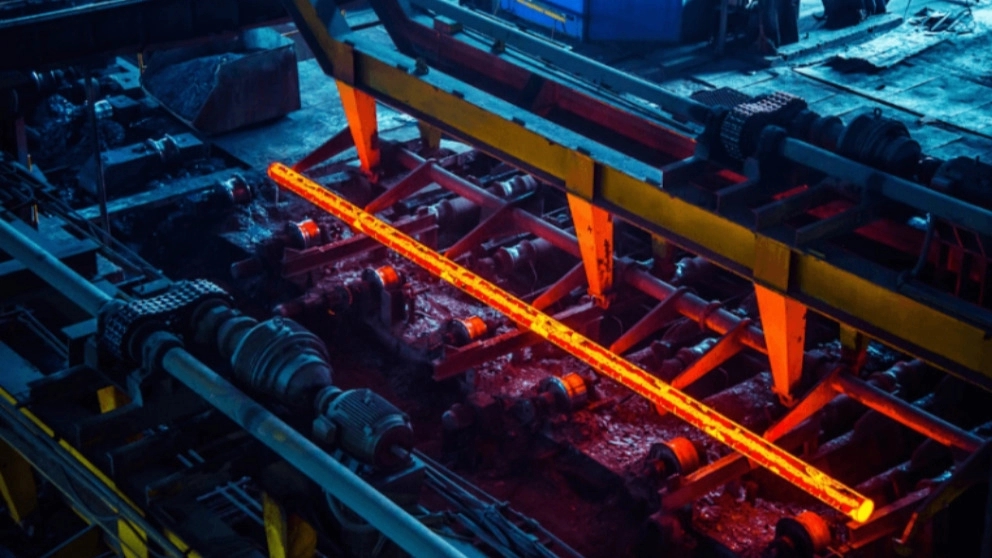
⭕️ cobalt alloy steel (cobalt with CO icon):
Cobalt element prevents the change of steel hardness at very high and even critical temperatures because austenite particles will not be formed with the addition of this element. In industries, to increase the hardness and strength of this type of alloy steel, they add a little tungsten to it.
This type is used to produce HSCO (High-Speed Cobalt Steel). The concentration of cobalt is between 2 and 12%, but for the construction of jet engines and gas turbines, cobalt alloy steel with a cobalt percentage of 5 to 65% is needed.
⭕️ Manganese Alloy Steel (Manganesee with Mn Symbol):
Manganese is another element that is used to produce alloy steel to obtain very special properties. This type is also called Hadfield steel. The addition of manganese increases the hardness of steel by preventing the formation of austenite particles, but does not have a negative effect on its ductility. They do more, but the presence of manganese removes this time sensitivity and reduces the possibility of steel brittleness to zero. The addition of 0.25 to 0.4% of manganese together with sulfur prevents the brittleness of steel and increases its hardness in concentrations higher than 1%.
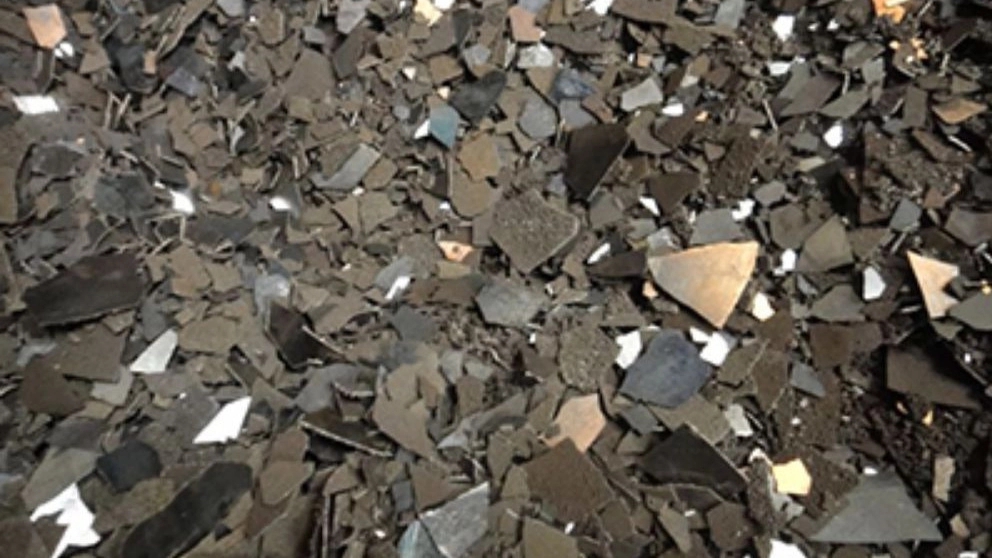
Tungsten Alloy Steel (Tungsten with W):
Thanks to tungsten element, this type of steel is very hard at high temperatures and very durable. Usually, blades, drills, cutting tools, etc. are made with this type of steel. In addition, the addition of tungsten gives a lot of stability to high-carbon steel, and for this reason, magnets made with this type of alloy steel will never lose their properties. The specific percentage of tungsten is usually between 2 and 18%.
⭕️ vanadium alloy steel (Vanadium with symbol V):
The addition of this element during the melting stage of iron causes the grain formation of its carbides and steel grains cannot grow. The texture of this type of steel has fine and fine grains and it has good formability. This type of steel is used to make locomotive parts, crankshafts, etc. Usually, the percentage of vanadium element is 0.15%, which increases its strength, resistance to corrosion and shock, and its malleability properties. preserves and increases fine grains.
⭕️ Chrome Alloy Steel (Chromium with CR Symbol):
The chromium element is poured into it in the molten iron stage, which produces simple and double carbide with the carbon element. One of the most obvious characteristics of this type of alloy steel is resistance to rust and corrosion. In fact, the chromium element exposed to air has turned into a protective oxide layer that prevents the corrosion of the lower parts. The chromium element increases the hardness of the final alloy up to a concentration of 0.5 to 2% and increases the corrosion resistance between 4 and 18%. Note: The mentioned items are only They were part of all kinds of steel alloys. Other elements such as aluminum, bismuth, bromine, tin, silicon, sulfur, titanium, copper, etc. are also used, each of which has its own special characteristics. But the mentioned items are much more common and widely used.
Also, anti-wear steel (alloy steel) is also produced by adding the mentioned elements to get such properties.